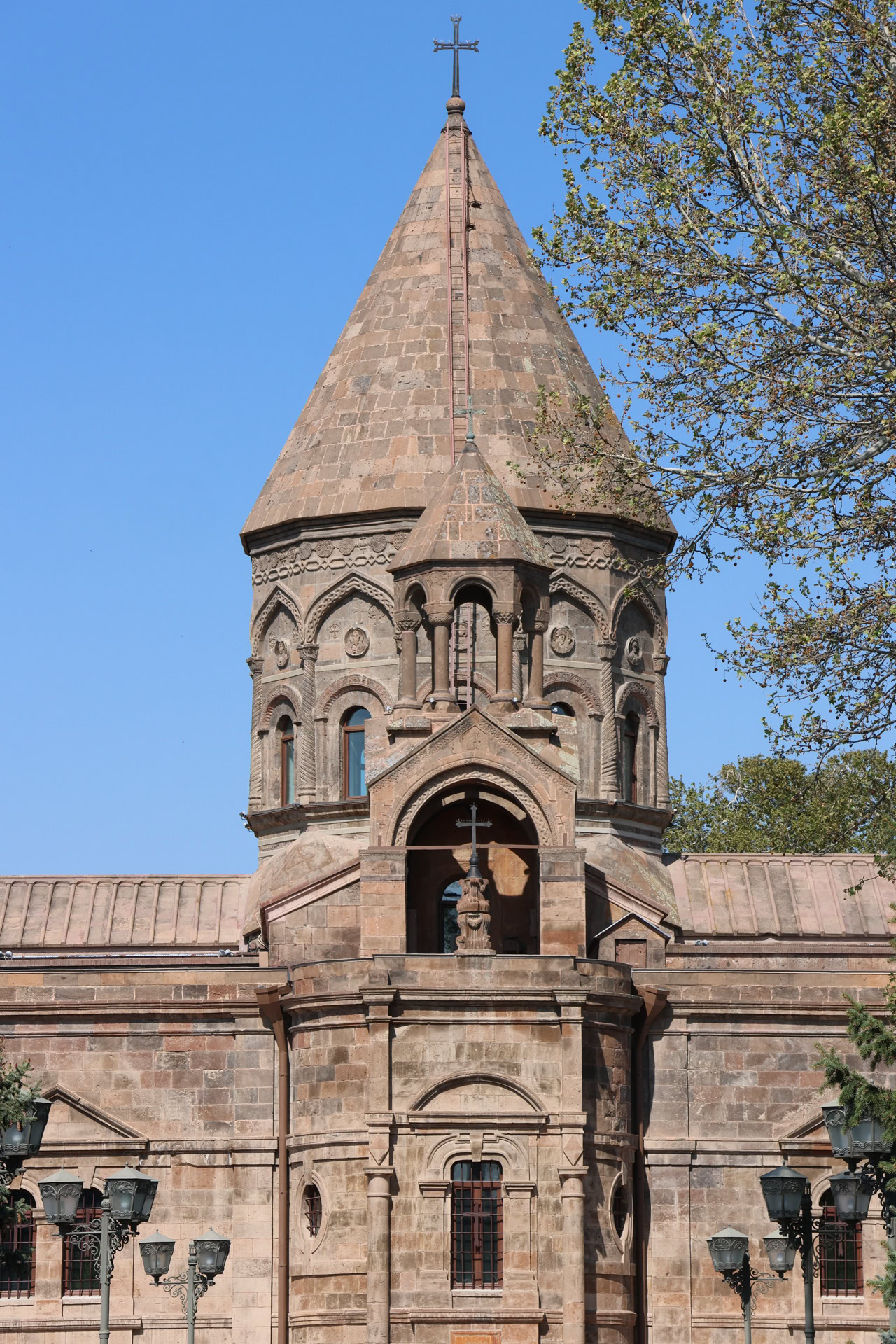
Our aim today was to see some of the most significant places in Yerevan and the nearby surrounds. After a good, though very noisy, breakfast in the company of large groups of Russian and Chinese tourists staying in the same hotel, we set out from the Ani Hotel at 9:00am for our first stop, Etchmiadzin Cathedral.
Located just outside the metropolitan limits of Yerevan, about 20 kilometres from our hotel, Etchmiadzin Cathedral is central to Armenia’s identity as the world’s first Christian nation. It was originally established in the year 301 when Etchmiadzin served as Armenia’s capital city, and although the original building has been replaced several times during the subsequent 1,700 years, it is usually regarded as the oldest cathedral in the world (previous Christian gatherings being in people’s homes or small churches that didn’t have authority over a wider jurisdiction).
Etchmiadzin is more than just the Cathedral building, however. Armenians regard it as their Vatican as it also houses the administrative headquarters of the Armenian Apostolic Church, the residence of the Patriarch (or Catholicos), and extensive grounds that once comprised the world’s largest open square.
Many of the buildings in Etchmiadzin are recent constructions, but the Cathedral itself is not, having been built and expanded over the centuries between 483 and 1868, with the most recent renovation being undertaken from 2012 to 2024. The recent renovation explains why I was not able to visit the interior during my previous visit in 2018. The inside of the Cathedral, where photography is not permitted, actually looks fairly new (it was, after all renovated only two years ago). It is impressive more for its size, concept and historical significance than its décor.
Following our visit to Etchmiadzin, we proceeded a few kilometres east back towards Yerevan before stopping at the Zvartnots Cathedral archaeological centre, an impressive set of ruins of a 7th-century cathedral with a unique circular design. The building was huge in scale before it was destroyed by an earthquake in the 10th-century, and an on-site museum contains old photos, drawings and a wooden cutaway model to illustrate its original design and scale.
Before leaving the district of Zvartnots, we enjoyed lunch at the Tasty Guest House, and then returned to the main city of Yerevan.
Our first stop in central Yerevan was the Armenian Genocide Memorial Complex and Armenian Genocide Museum-Institute. This modern and sensitively designed site commemorates the victims of the Armenian Genocide in 1915-16 and beyond through displays and explanations. It is a highly informative museum as well as a powerful memorial with the everlasting burning flame of remembrance.
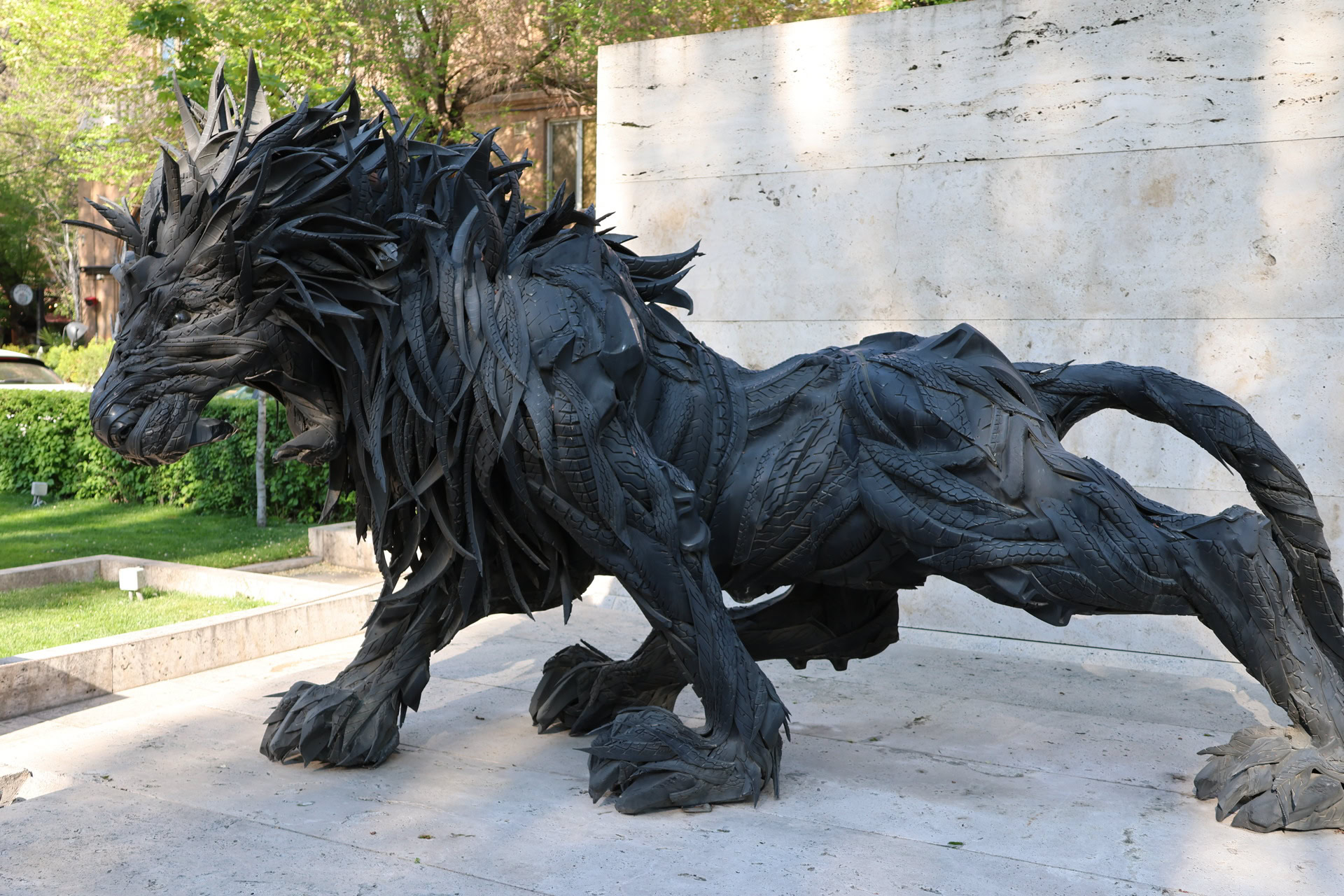
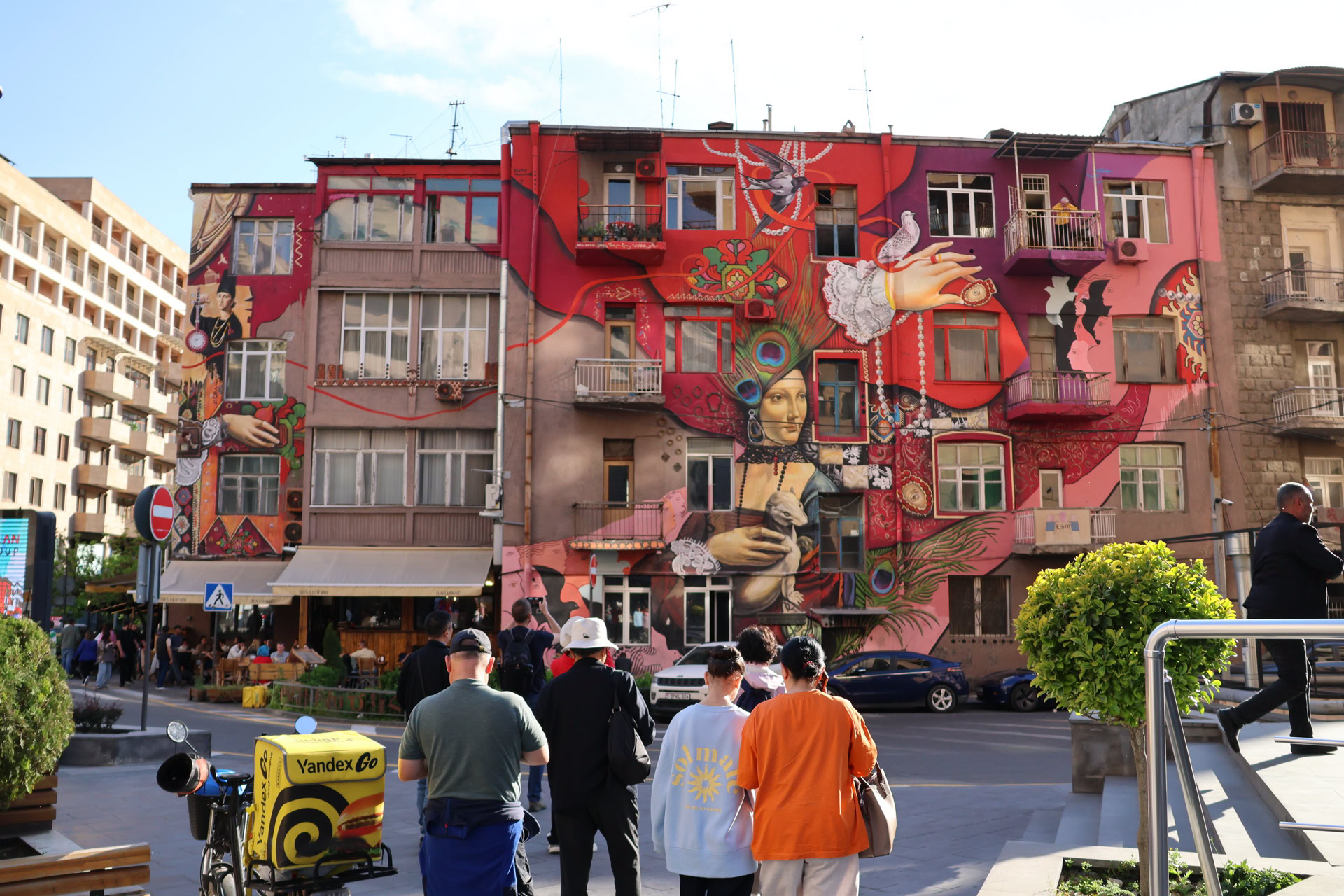
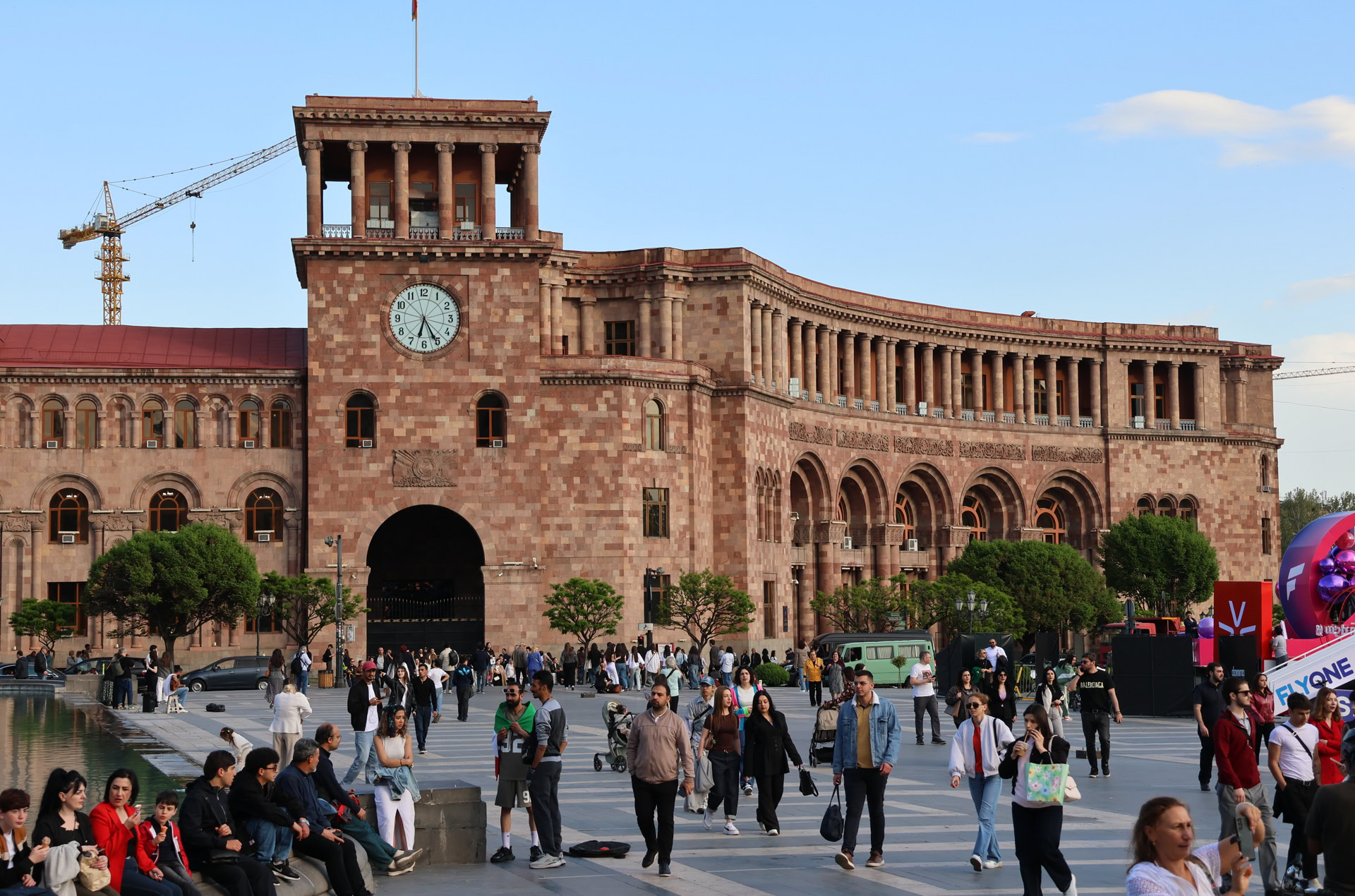
After our time at the Genocide Memorial, we drove into the heart of Yerevan to begin a walking tour of the city centre. We began with time to explore the Cascade Complex, where a crowd was already gathering for that evening’s free jazz concert, and then proceeded past the Armenian National Academic Theatre of Opera and Ballet, the pedestrian plaza of Northern Avenue, finishing at Republic Square, the central hub of Yerevan which is known for its grand Stalinist architecture and fountains.
We had free time after that, so Di and I explored the nearby Vernissage Markets – somewhat futile as it was almost 7:00pm and the stalls were closing – before relaxing with an informal, relaxing dinner of corn chips and ice cream back at the hotel.