Wednesday 16 October 2024
Timișoara to Budapest


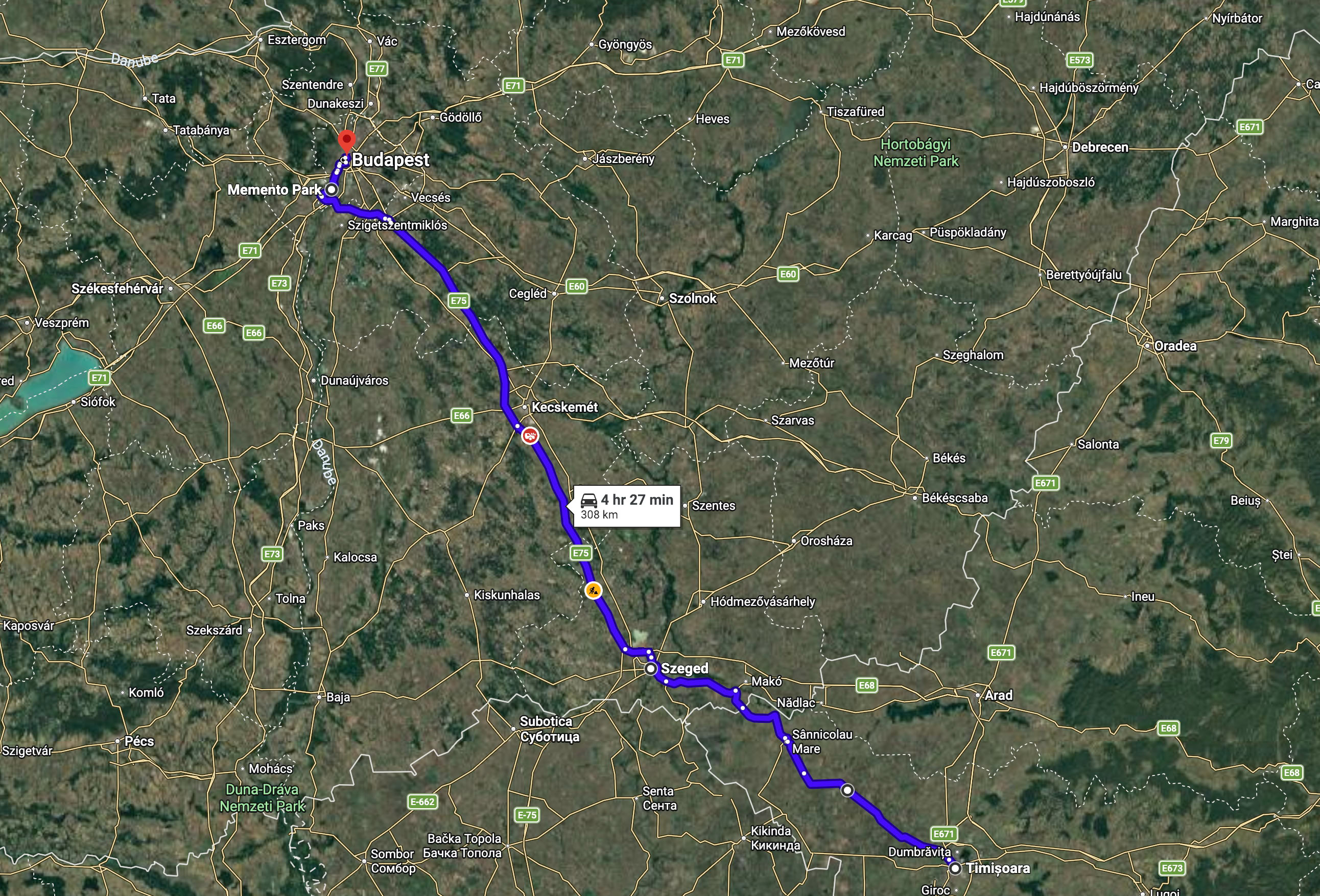
The first round of my touring had to conclude today because the conference I came to Budapest to attend was due to start tomorrow. I divided the drive from Timošoara to Budapest into three unequal segments. The first section took me on a two and a quarter drive of 135 kilometres from Timošoara across the border into Hungary and on to the city of Szeged. The second section was a two-hour drive of 180 kilometres from Szeged to Memento Park on the southern outskirts of Budapest. The third stage should have been an easy 14-kilometre drive to return my rental car at the Avis office, but what should have been a 30-minute journey took almost an hour and a half.
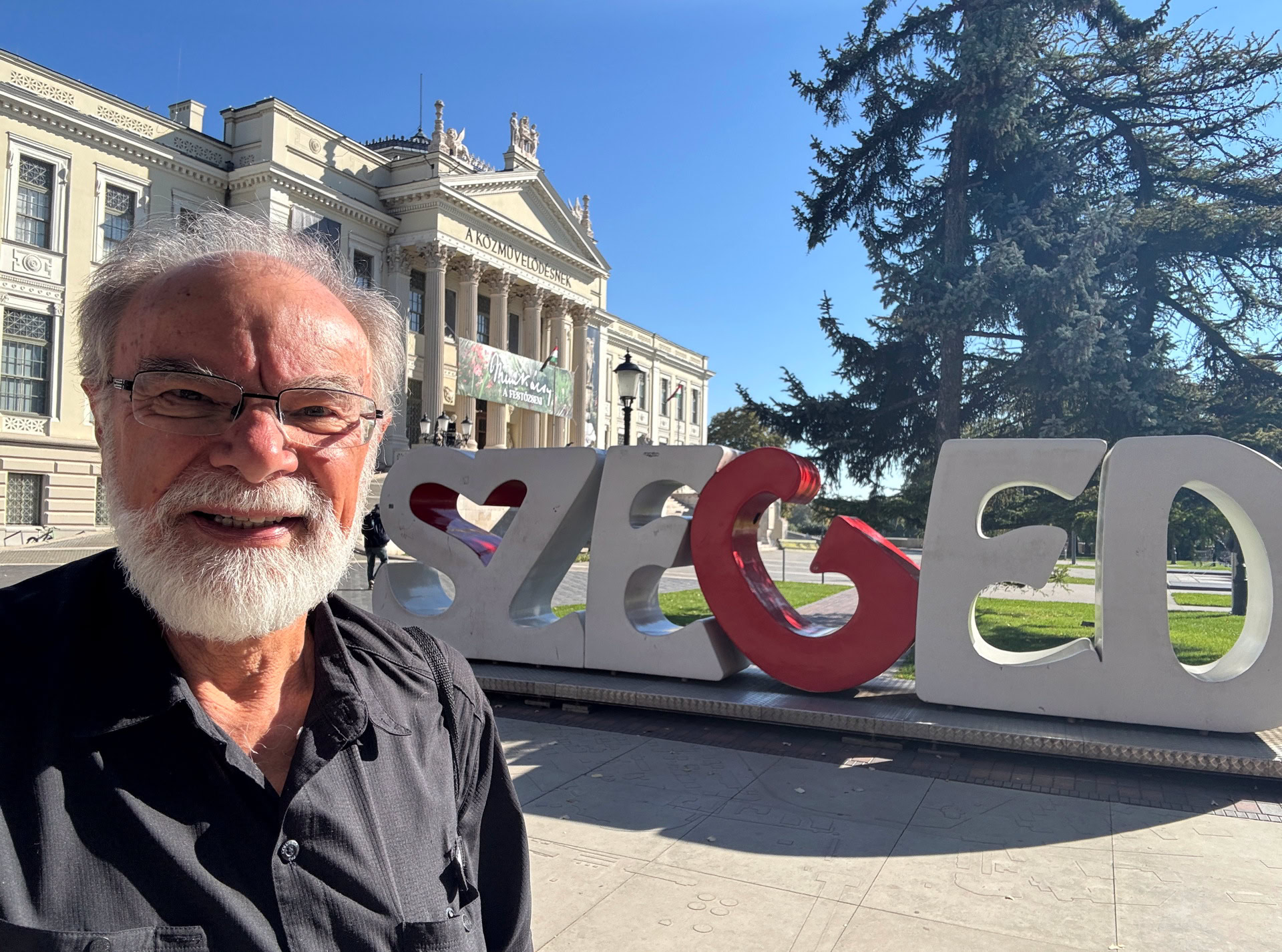
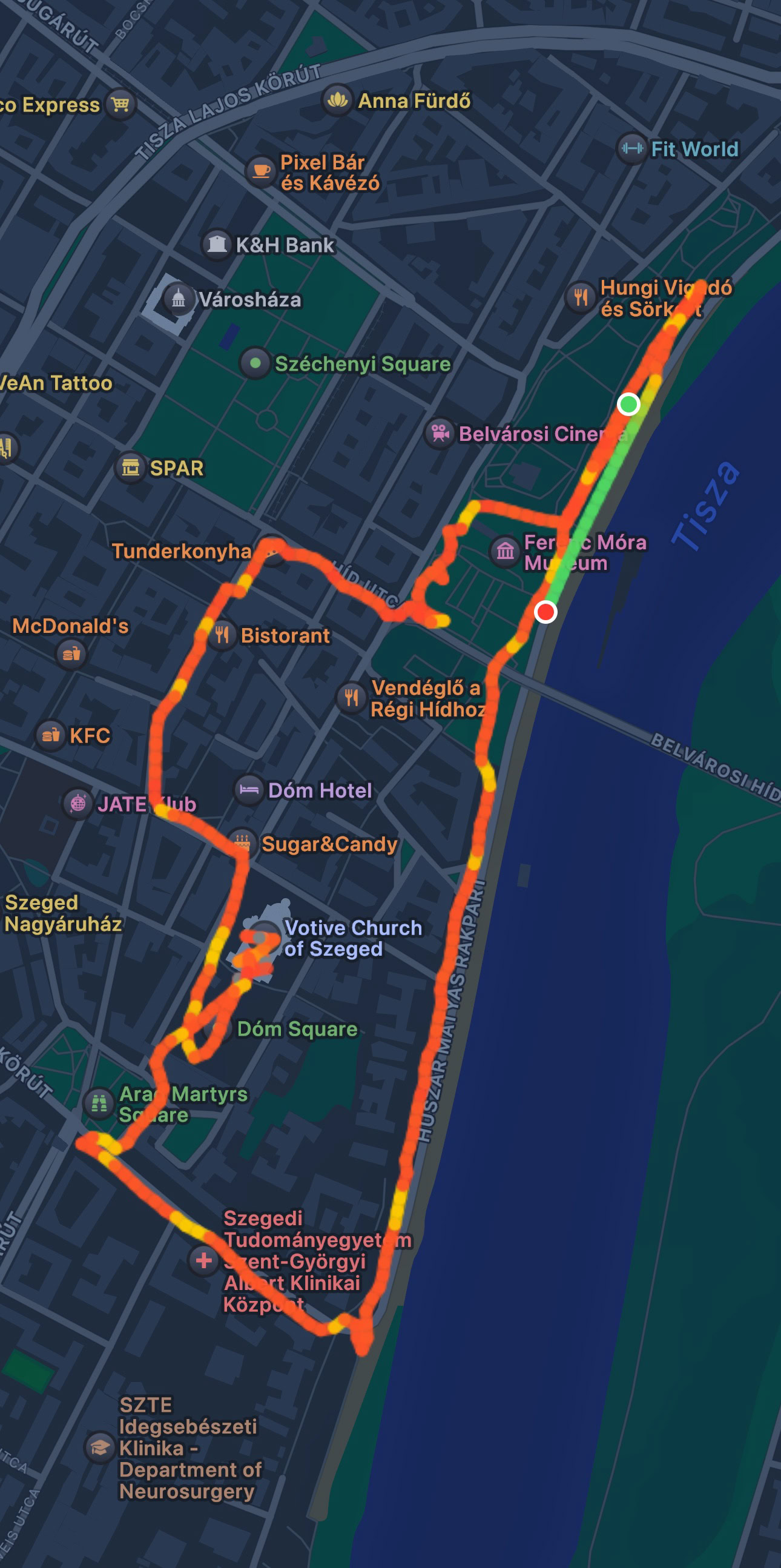
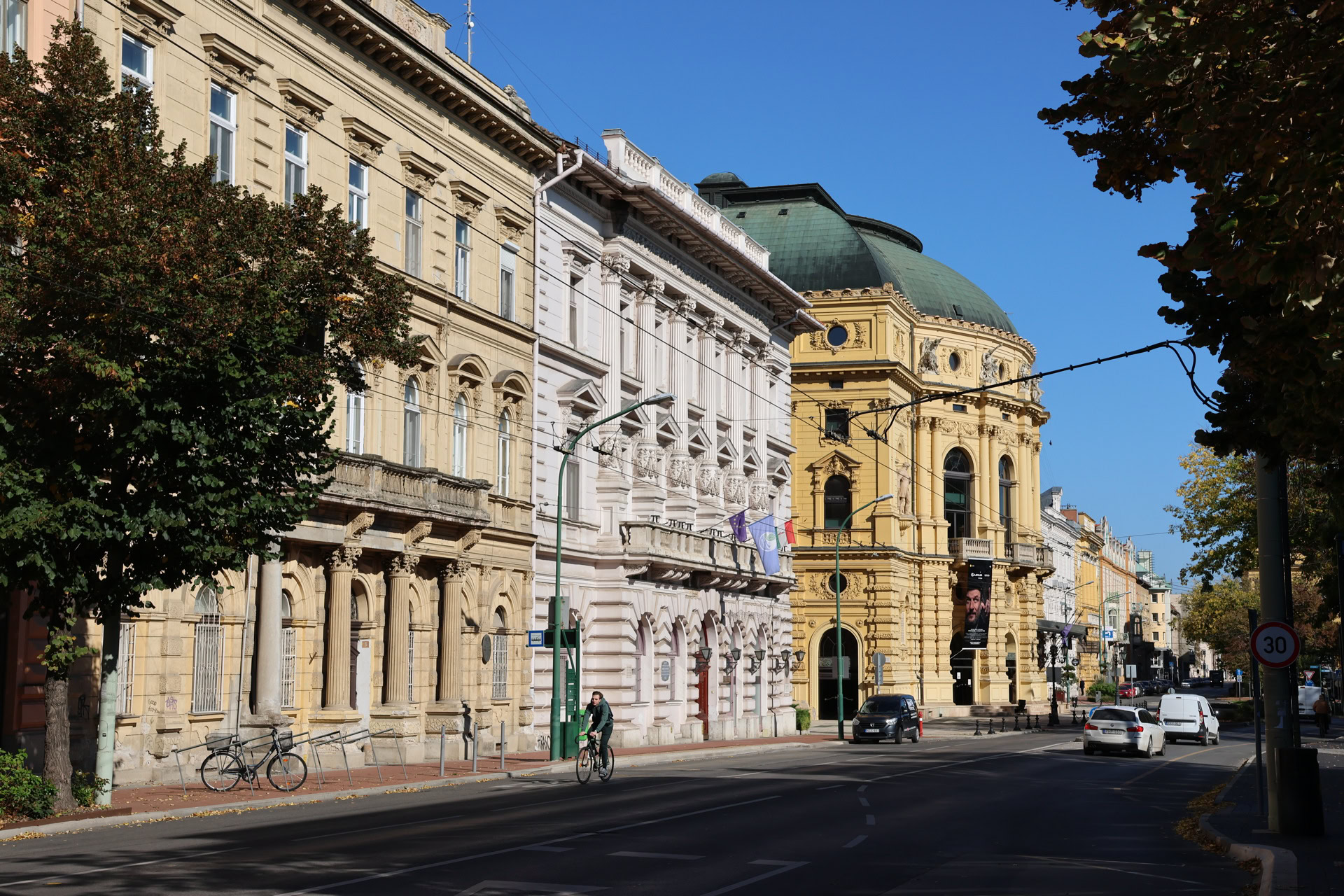
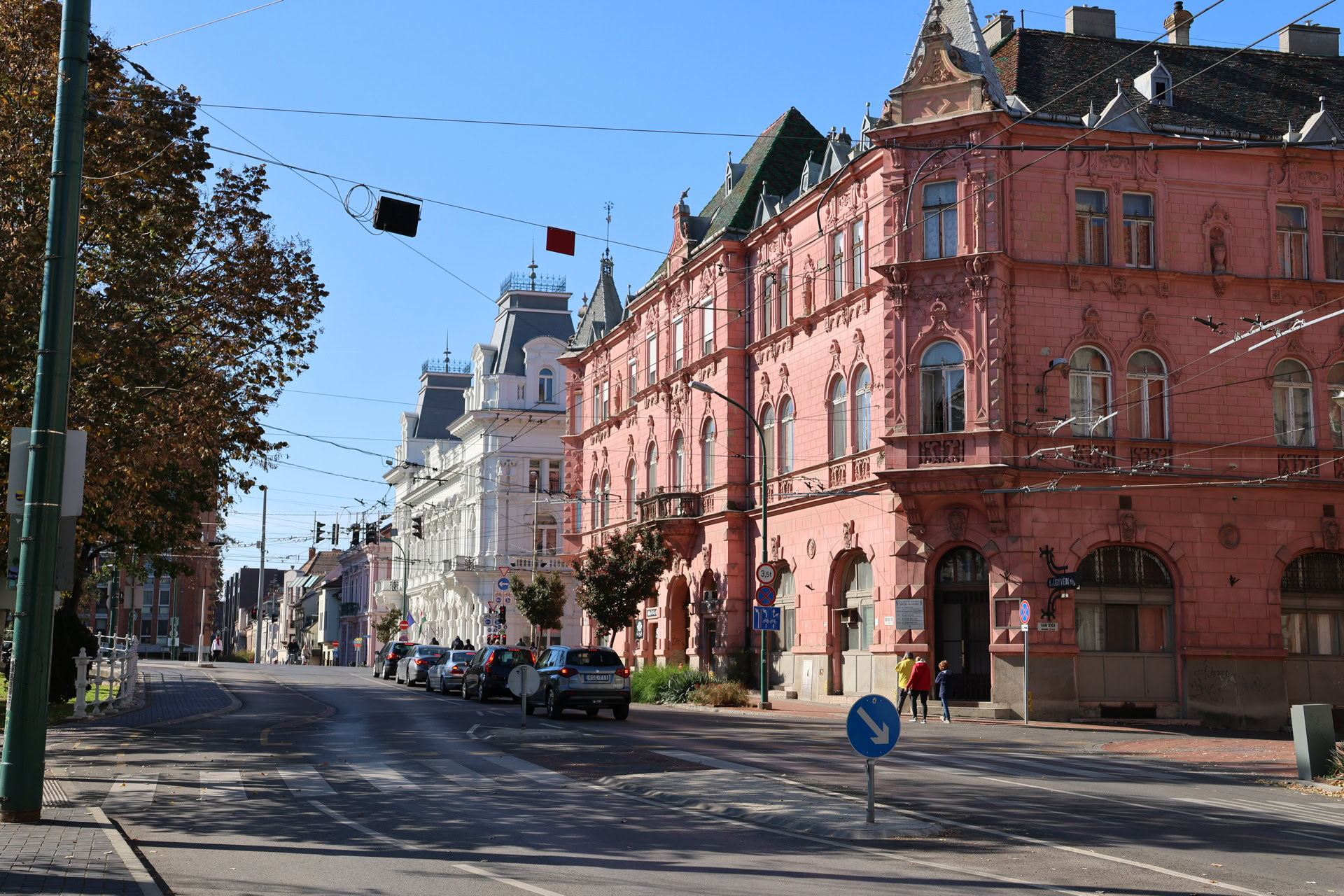
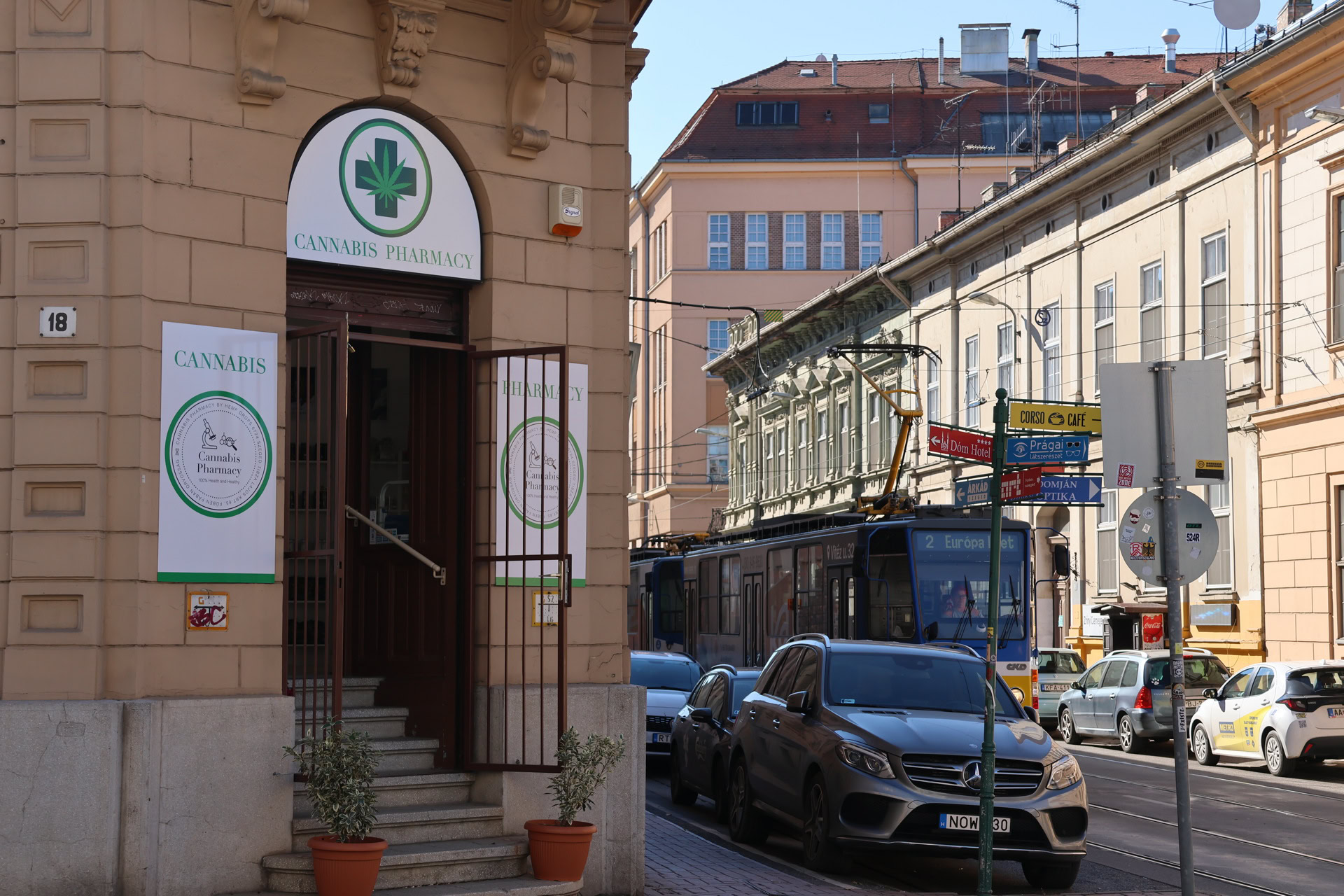
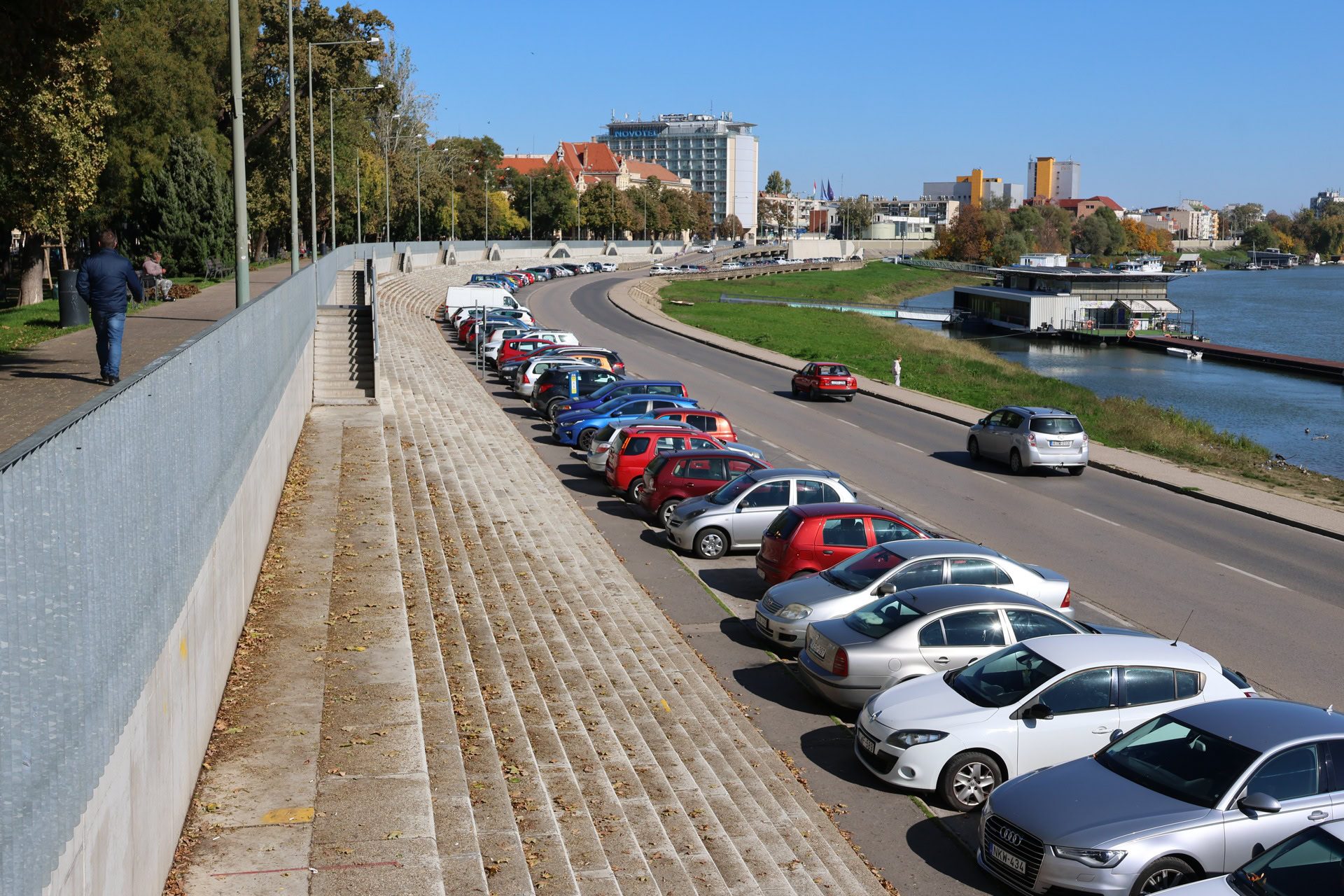
My first sector drive to Szeged was quick, flat and uneventful. Szeged is Hungary’s third largest city with a population of almost a quarter of a million people. With a history going back about 900 years, the old city centre is understandably a fabulous area to explore. As I drove around looking for an all-too-rare parking spot I thought I might have to forego the chance to explore the city on foot, but I eventually found a place just as another car was leaving a narrow spot on Huszár Mátyás Quay, a road beside the Tisza River north-east of the old city centre. That enabled me to undertake a really enjoyable walk of 3.4 kilometres.
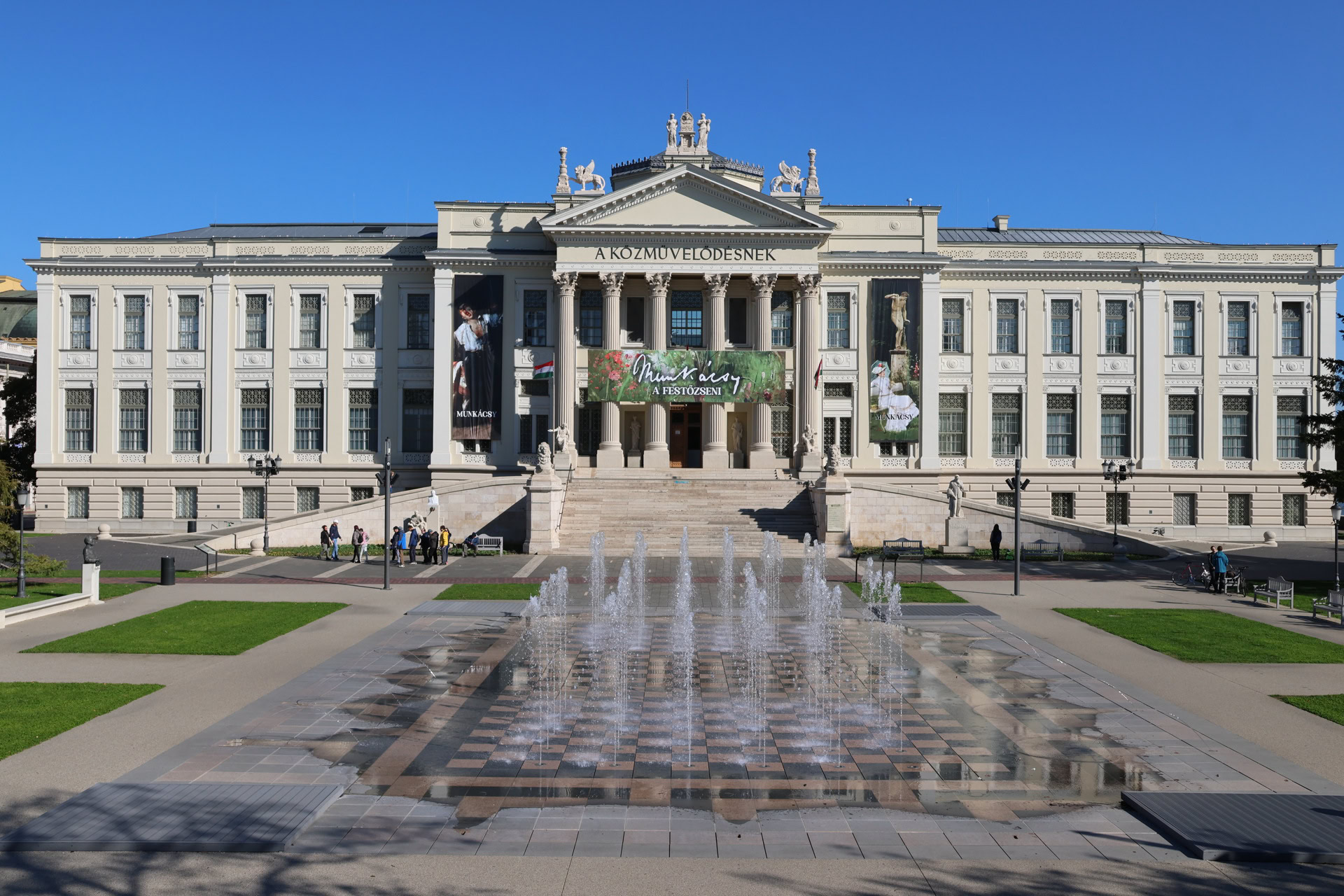
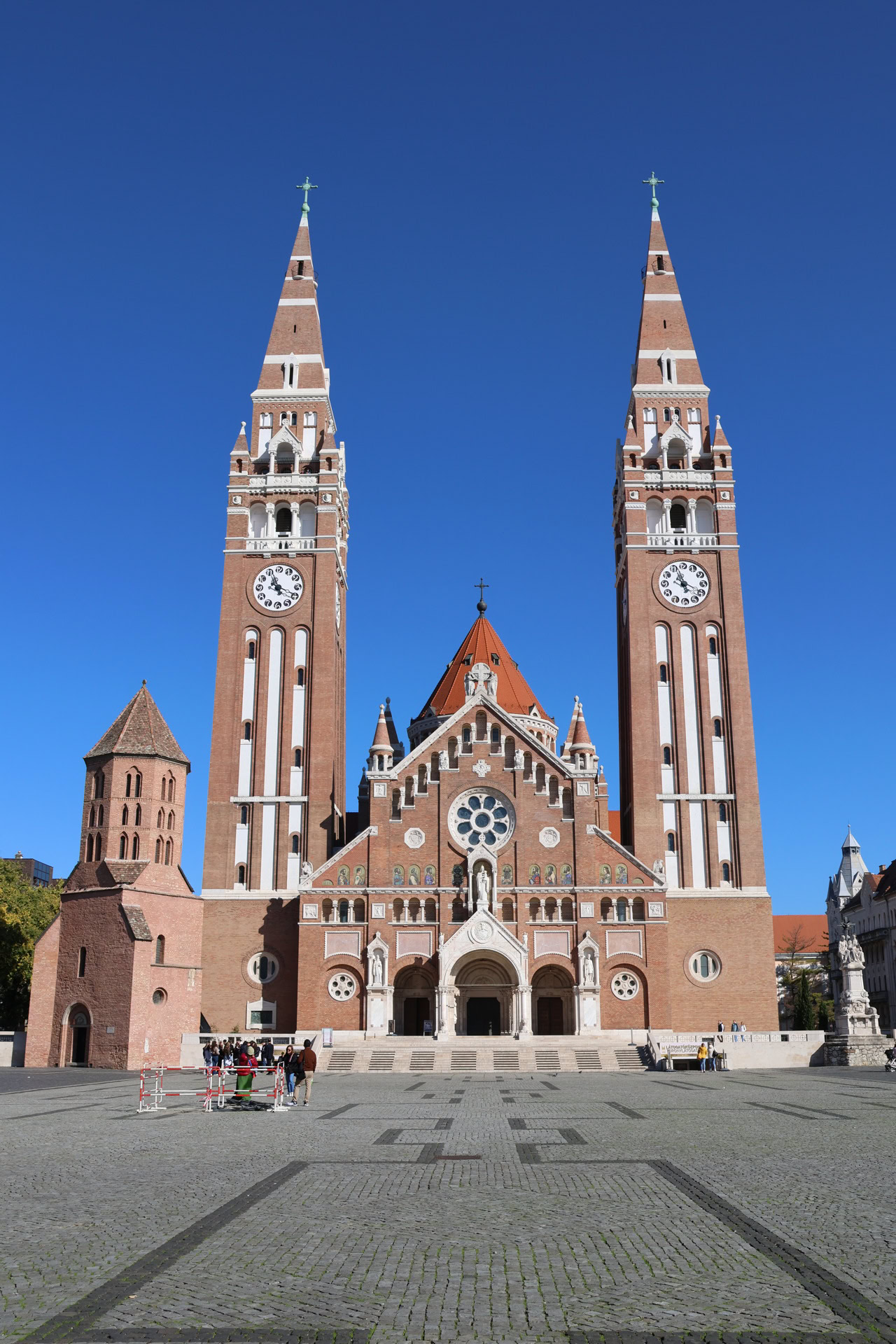
I began by walking south on the elevated bank across the road from the river, turning right to cross Vákert Park to explore the exterior of the very impressive Ferenc Móra Museum near the Belvárosi Bridge. I turned right to walk westwards along Híd Street and then left to walk south along Kelemen László Street. A turn left (east) brought me into Somogyí Street, from which I turned right (south) to find myself in Dóm Square, a truly magnificent open area dominated at the northern end by the Votive Church of Szeged and Cathedral of Our lady of Hungary.
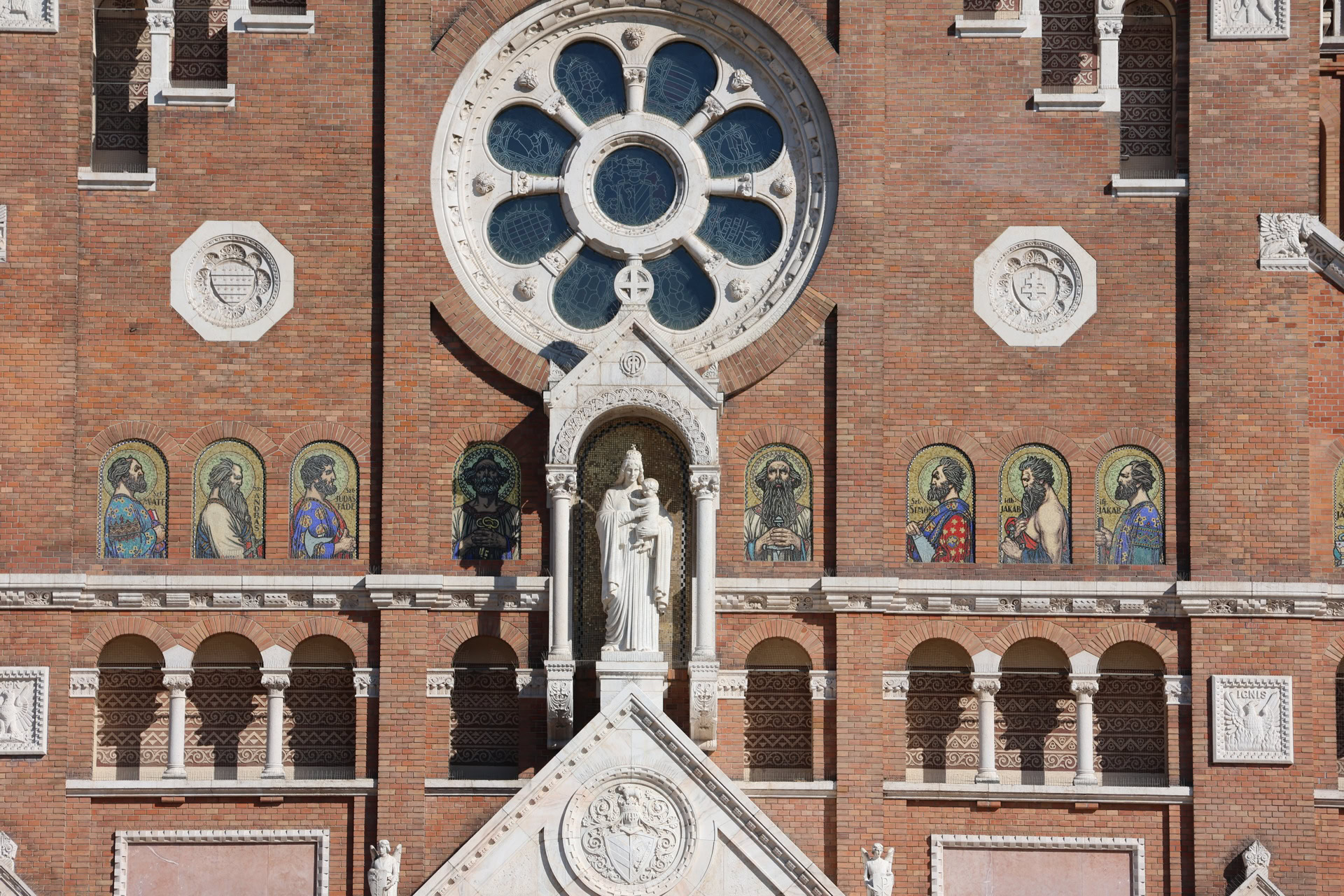
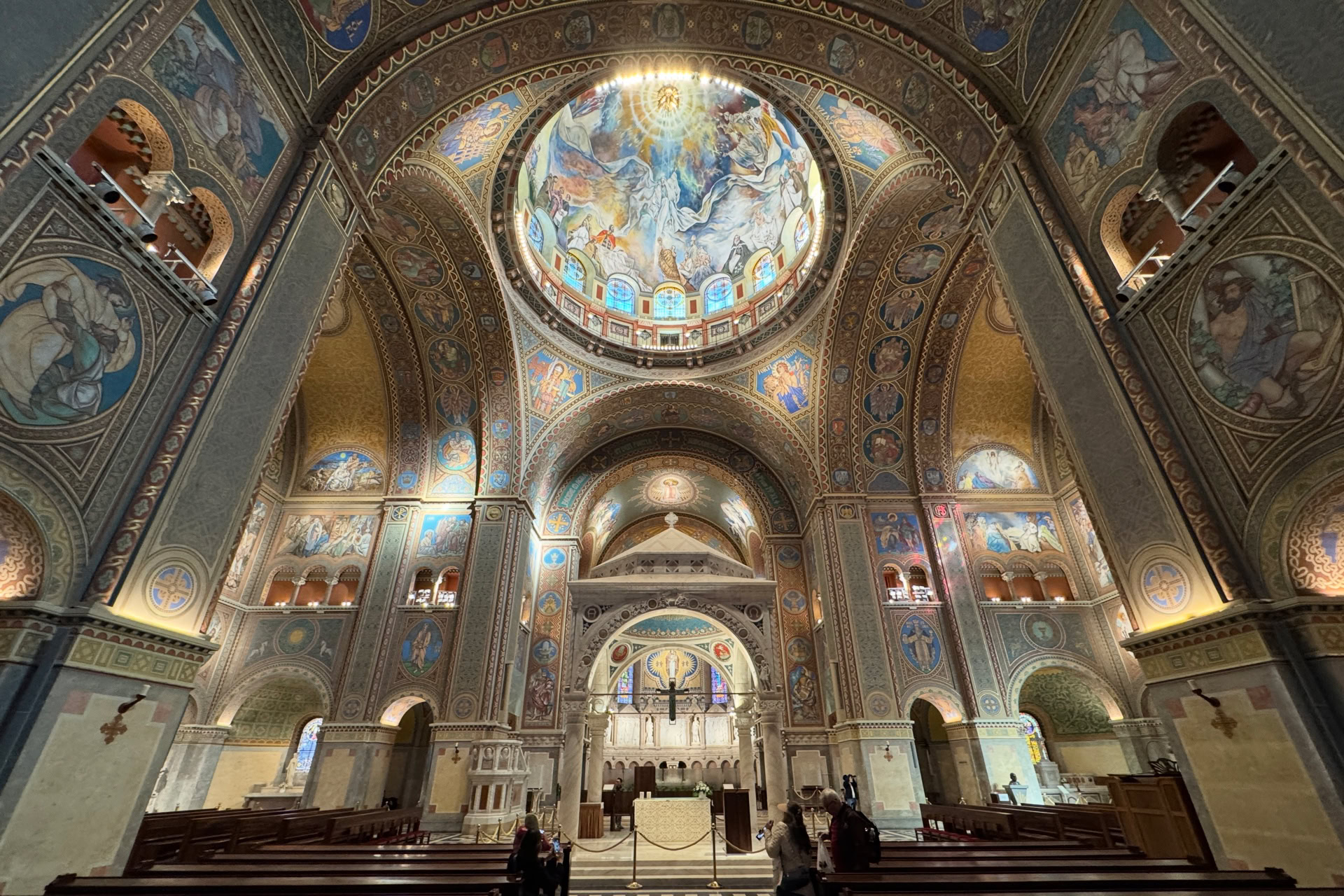
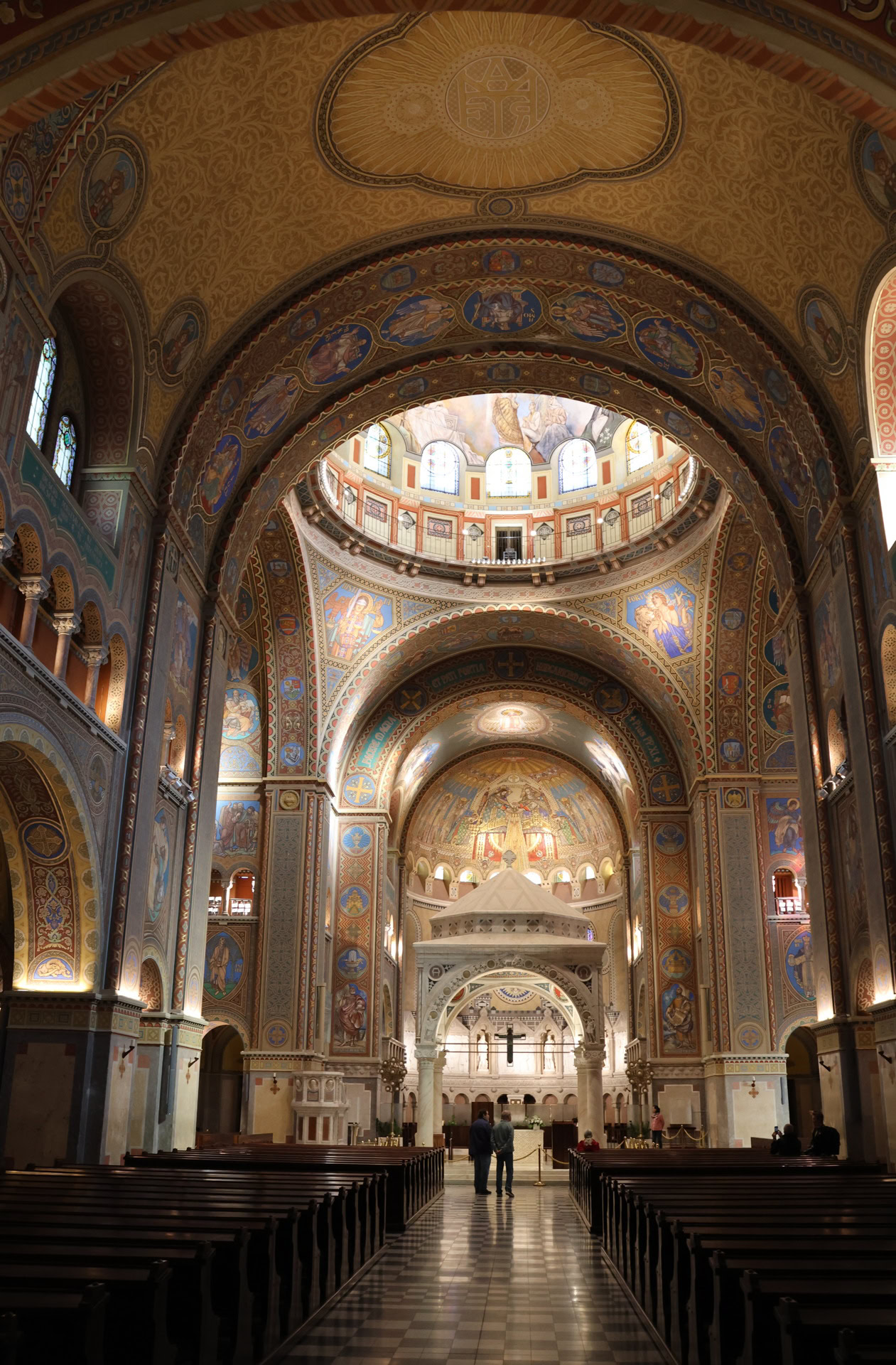
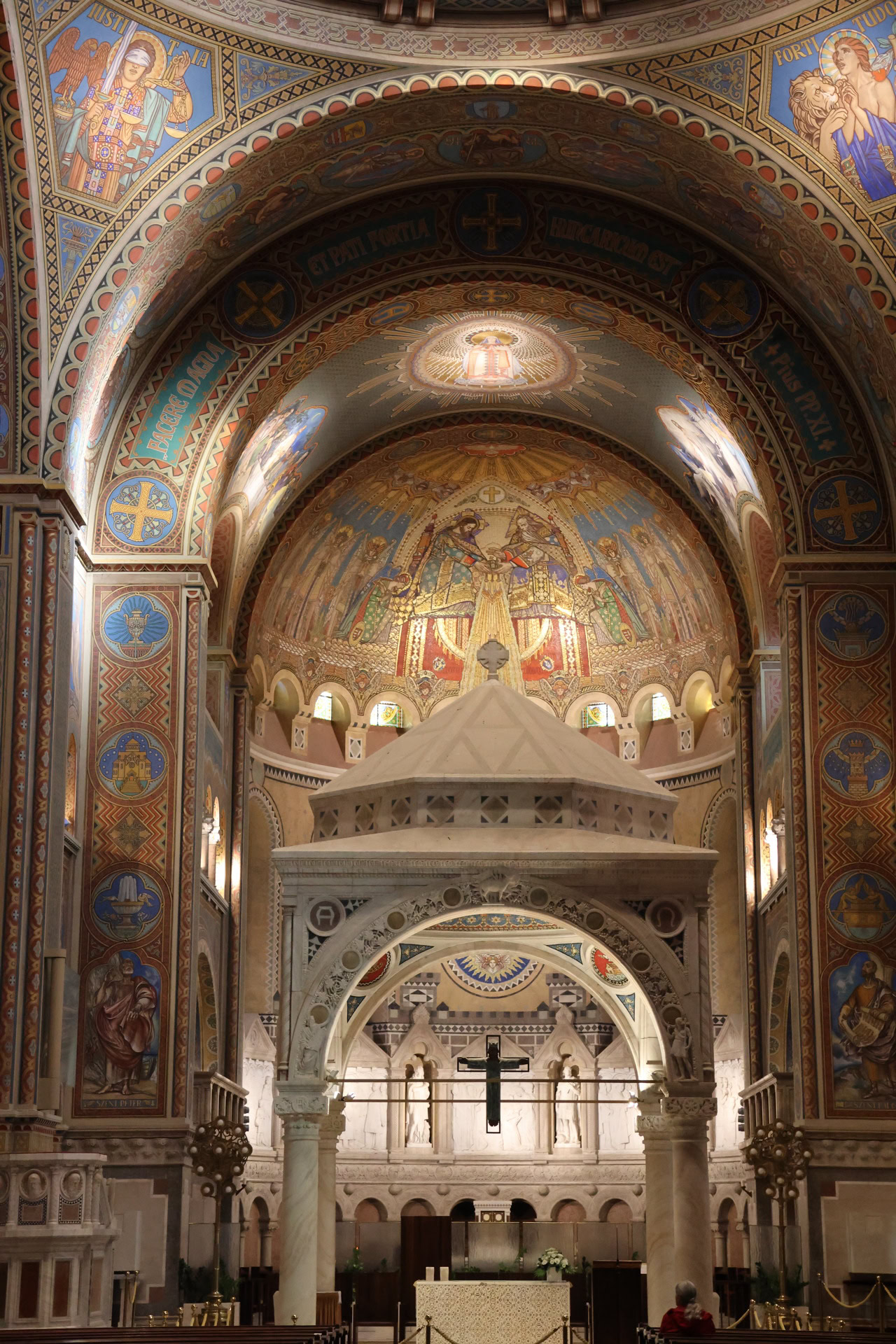
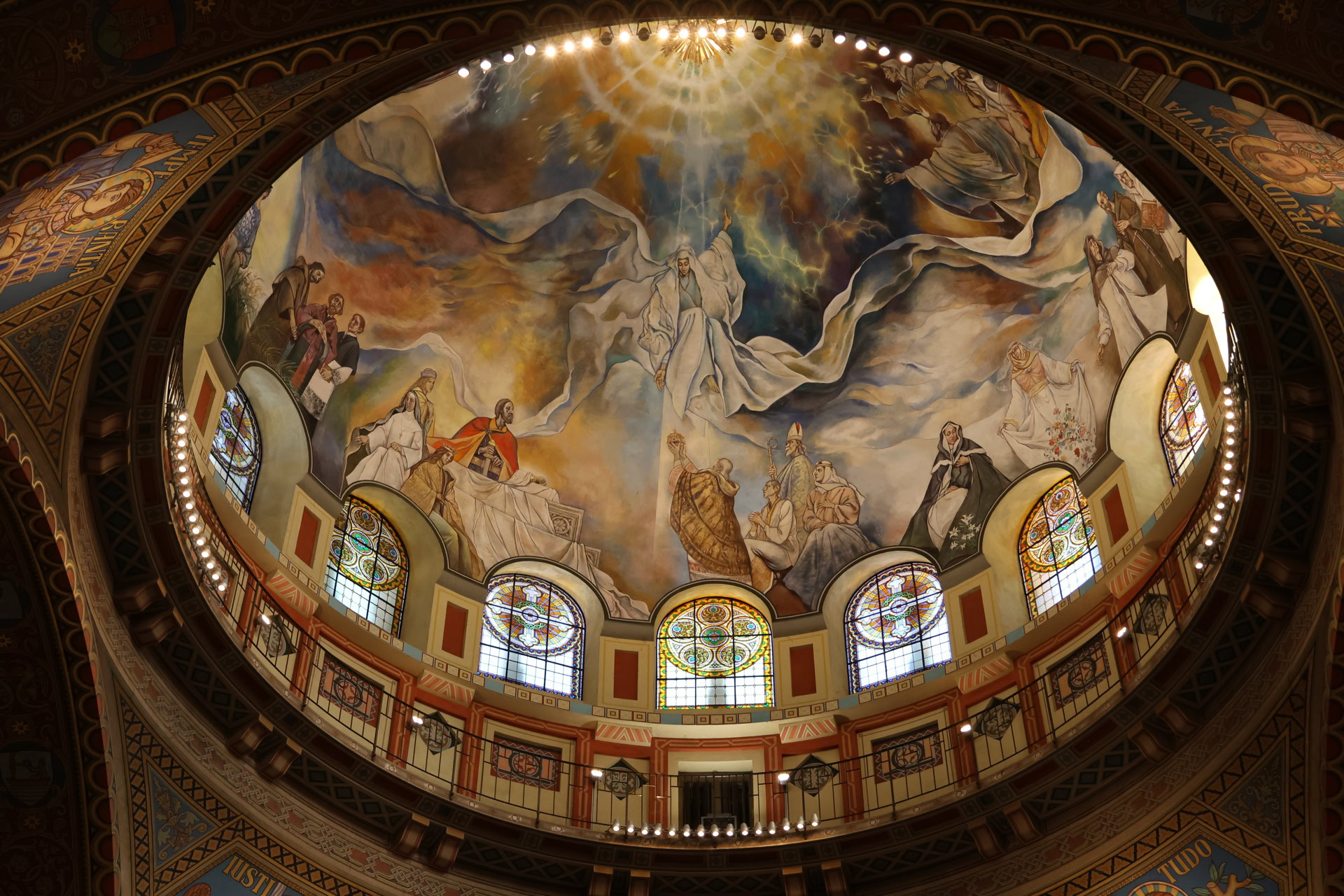
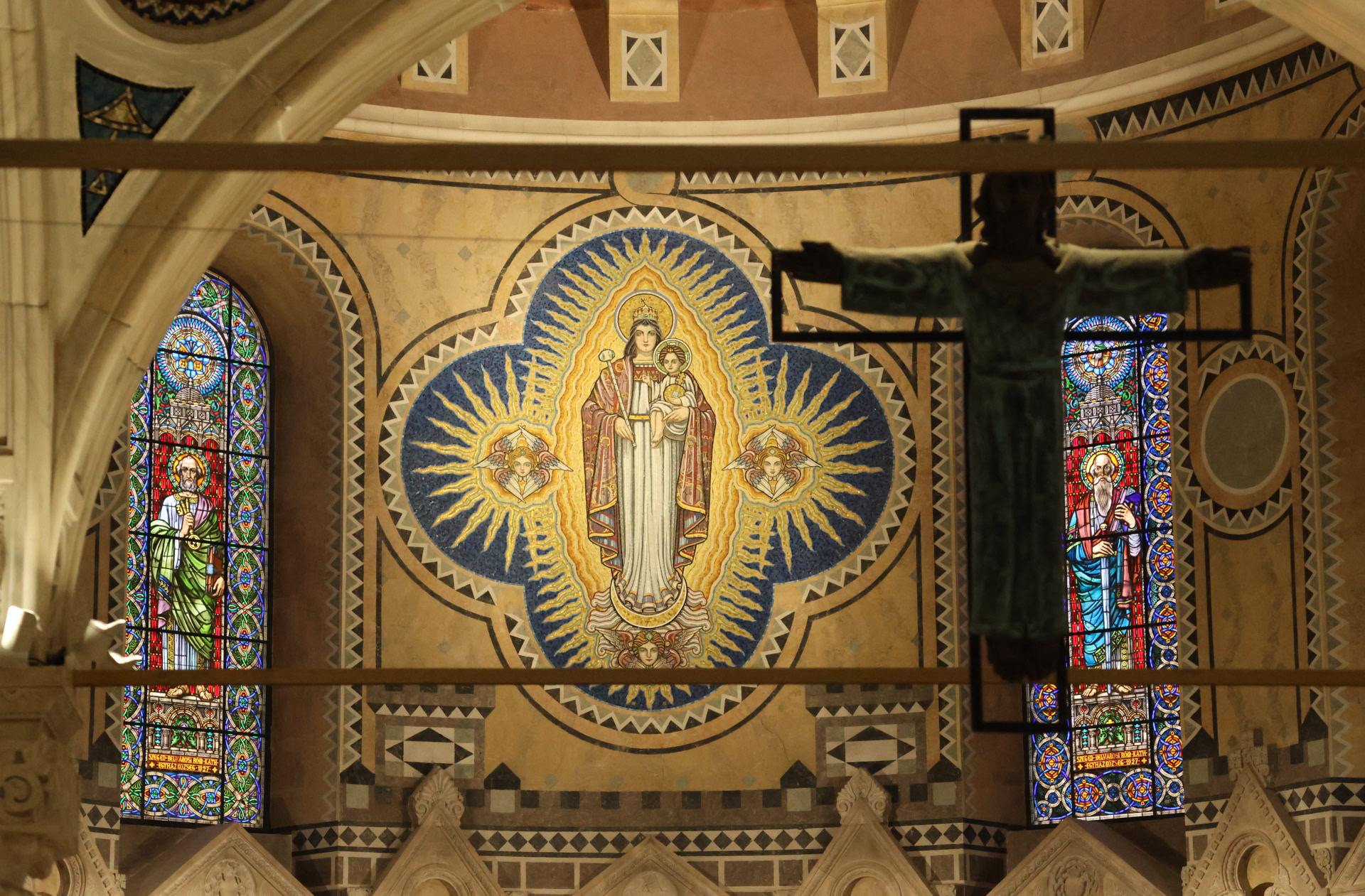
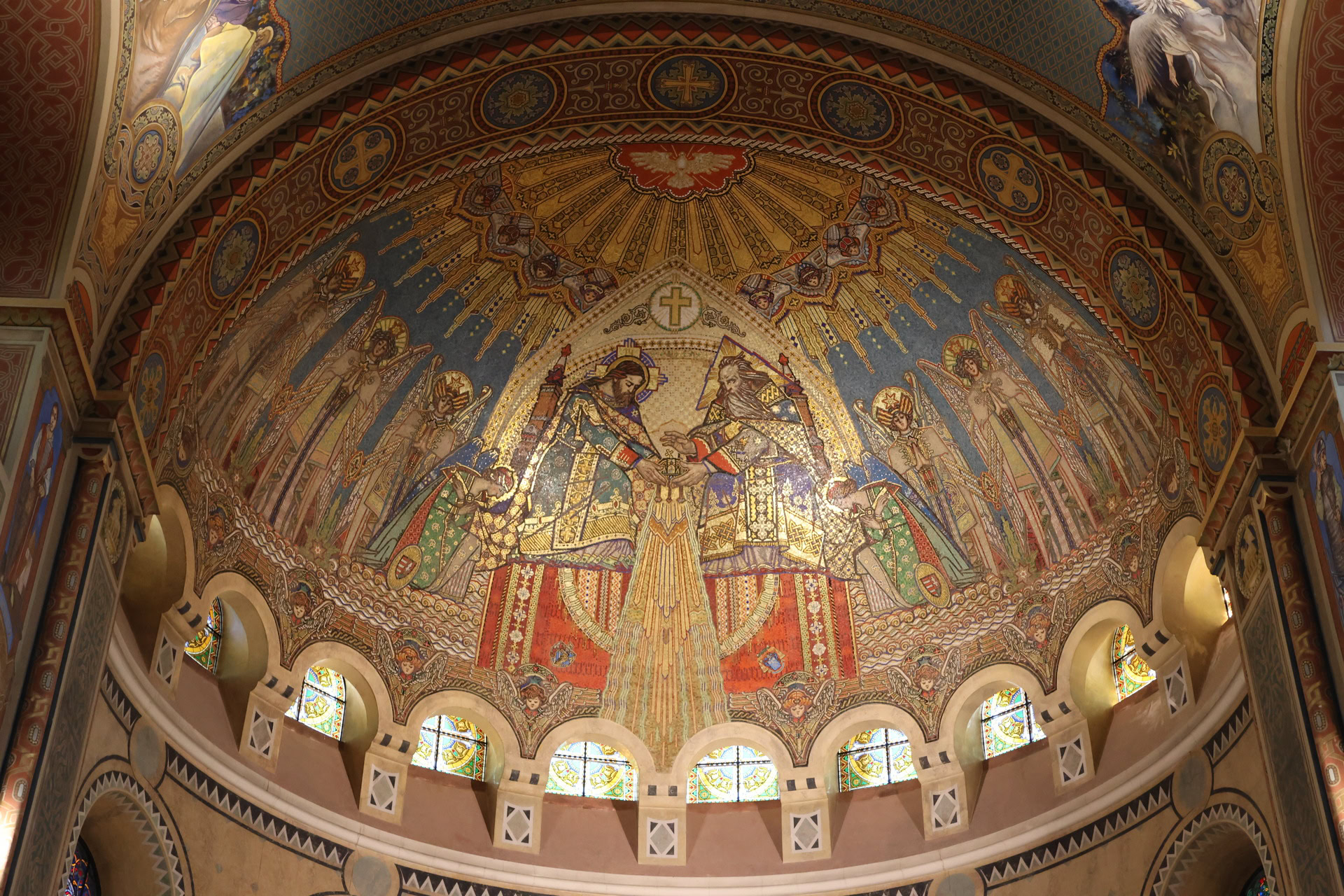
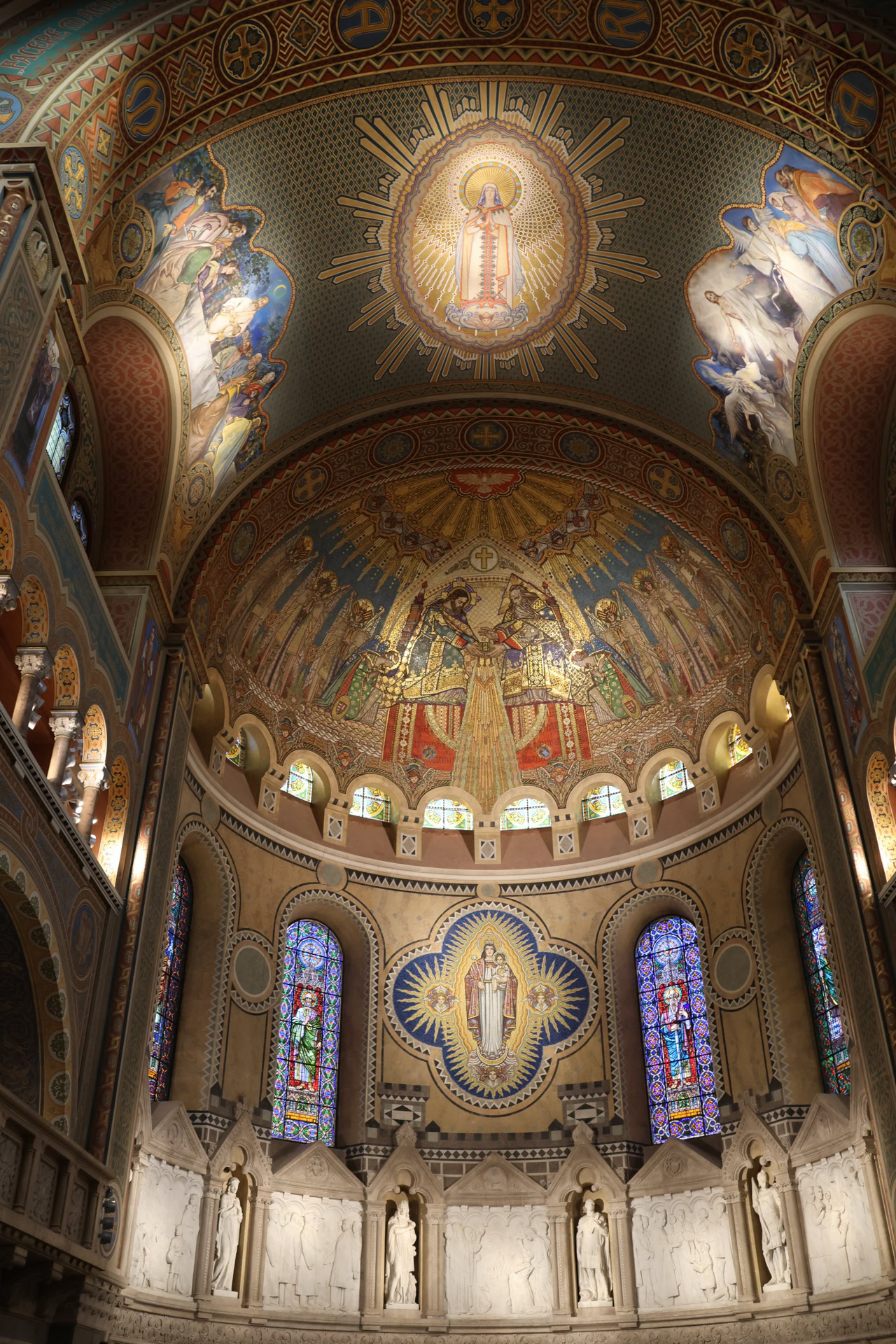
Built between 1913 and 1930, the Cathedral was one of those rare churches that was equally impressive on the inside as well as the outside. With a dome that is 54 metres high, twin towers that are each 91 metres high, and built of bricks, the church is certainly impressive on the outside. The interior was both lavish and tasteful with many elaborate frescoes on the walls and ceilings.
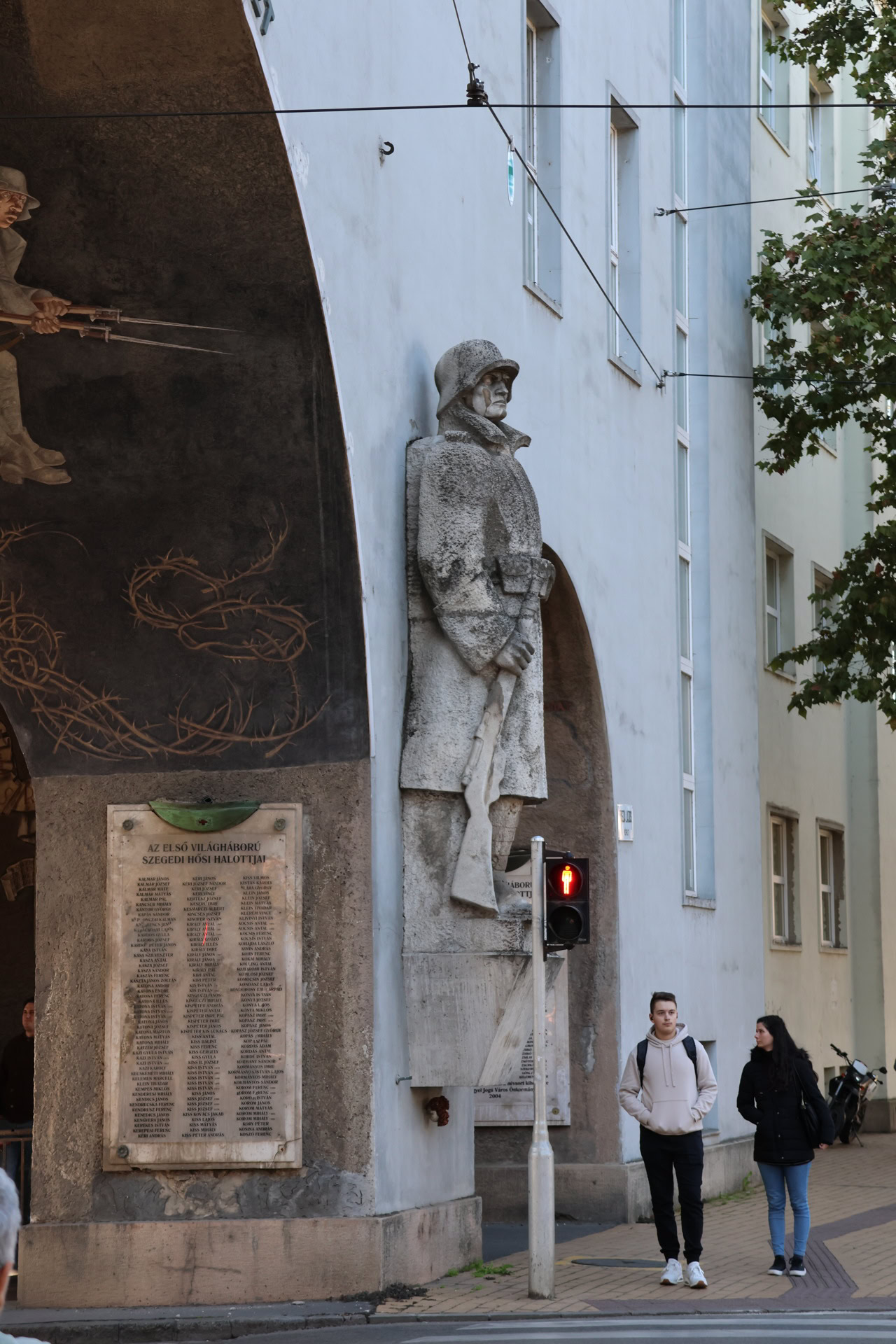
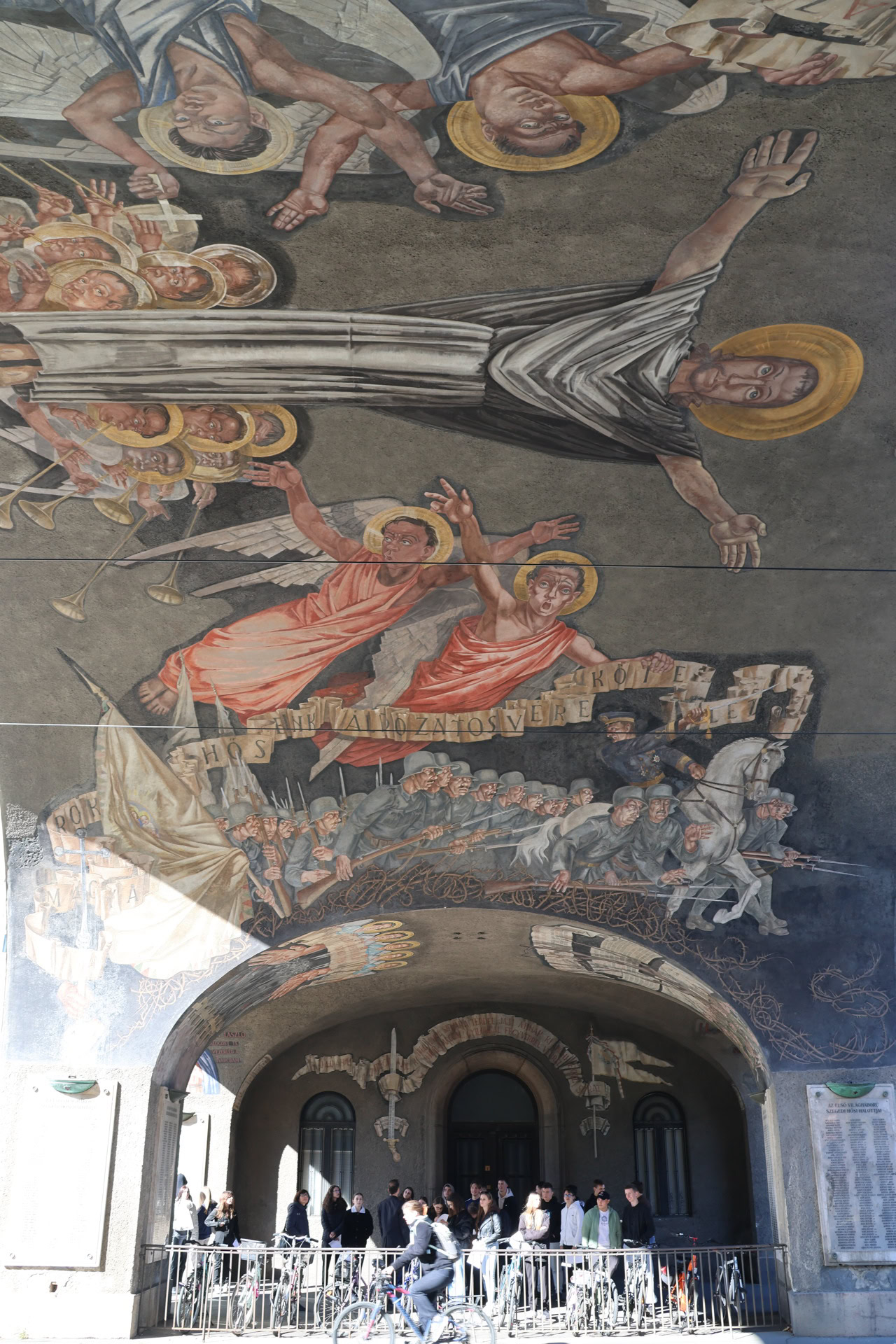
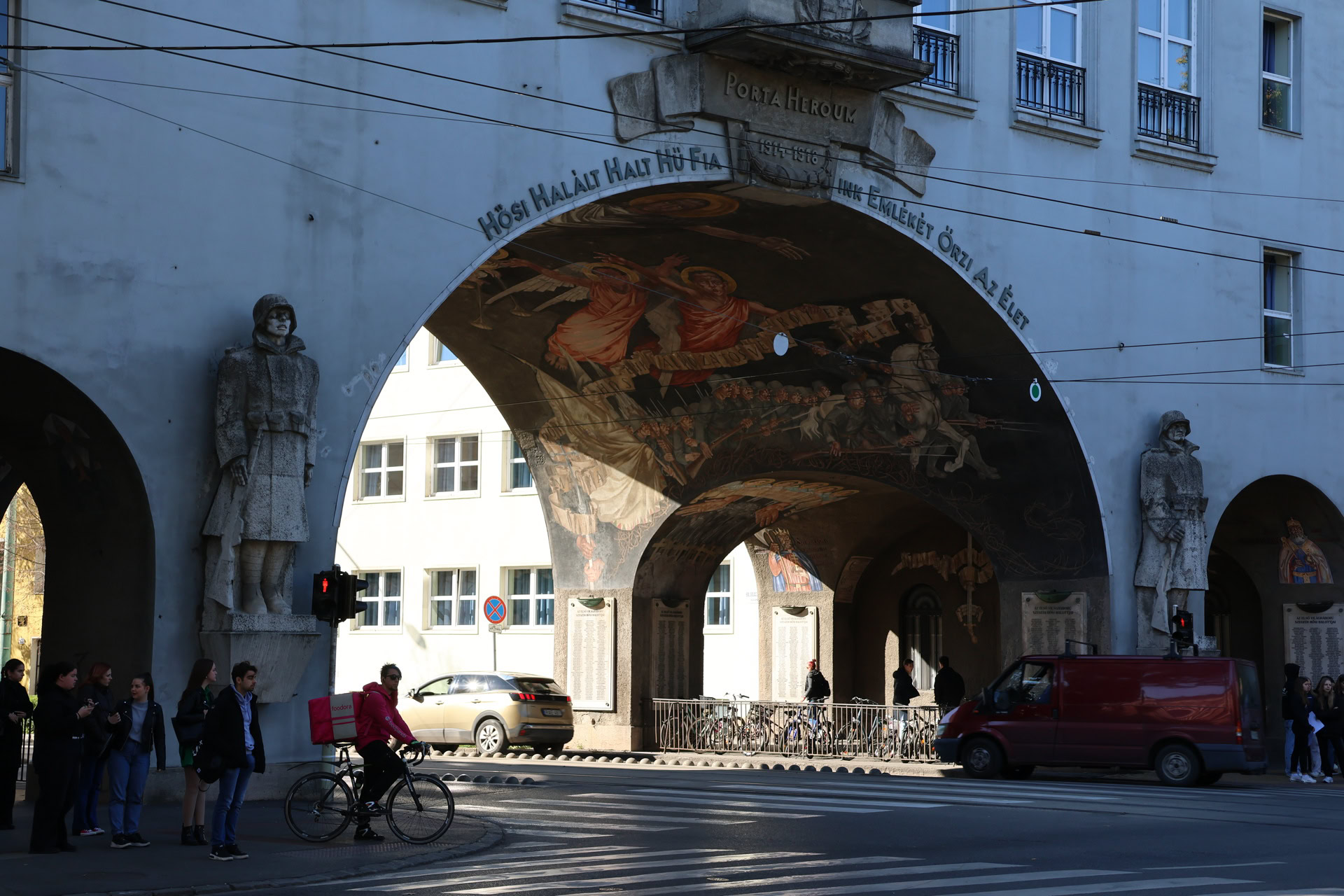
I continued my walk southwards across Honvéd Emlékmü Memorial Park to Heroes Gate, a compelling arch built between 1936 and 1937 to serve as a memorial to the 12,000 soldiers from Szeged killed during the First World War. It was a truly beautiful work of art, wonderful to see but very difficult to photograph without getting run over and killed by passing traffic.
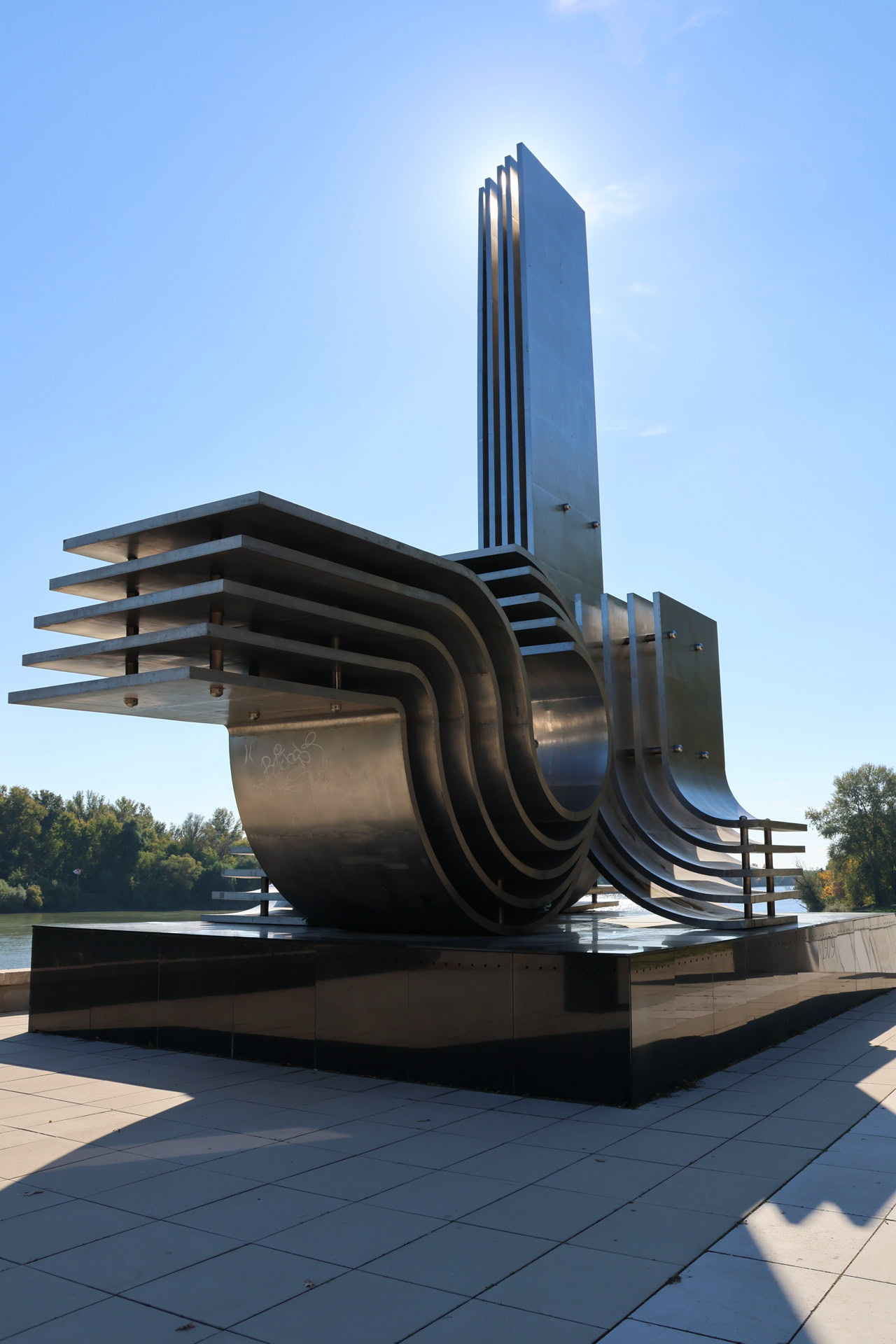
I continued my walk by proceeding south-east from Heroes Gate along Tisza Lajos Circuit to the bank of the Tisza River, hoping to admire a monument that was built in 1979 to honour victims of the 1879 flood that devastated the area. The stainless steel monument was interesting but paled into insignificance compared with the Cathedral and Heroes Gate I had just experienced.
I returned to my parked car following the elevated path beside Huszár Mátyás Quay, enjoying the lovely views across and along the river. I was ready for stage 2 of today’s drive, the 190-kilometre journey to Memento Park on the southern outskirts of Budapest. The excellent roads and great weather meant that I was able to complete the journey in two hours.
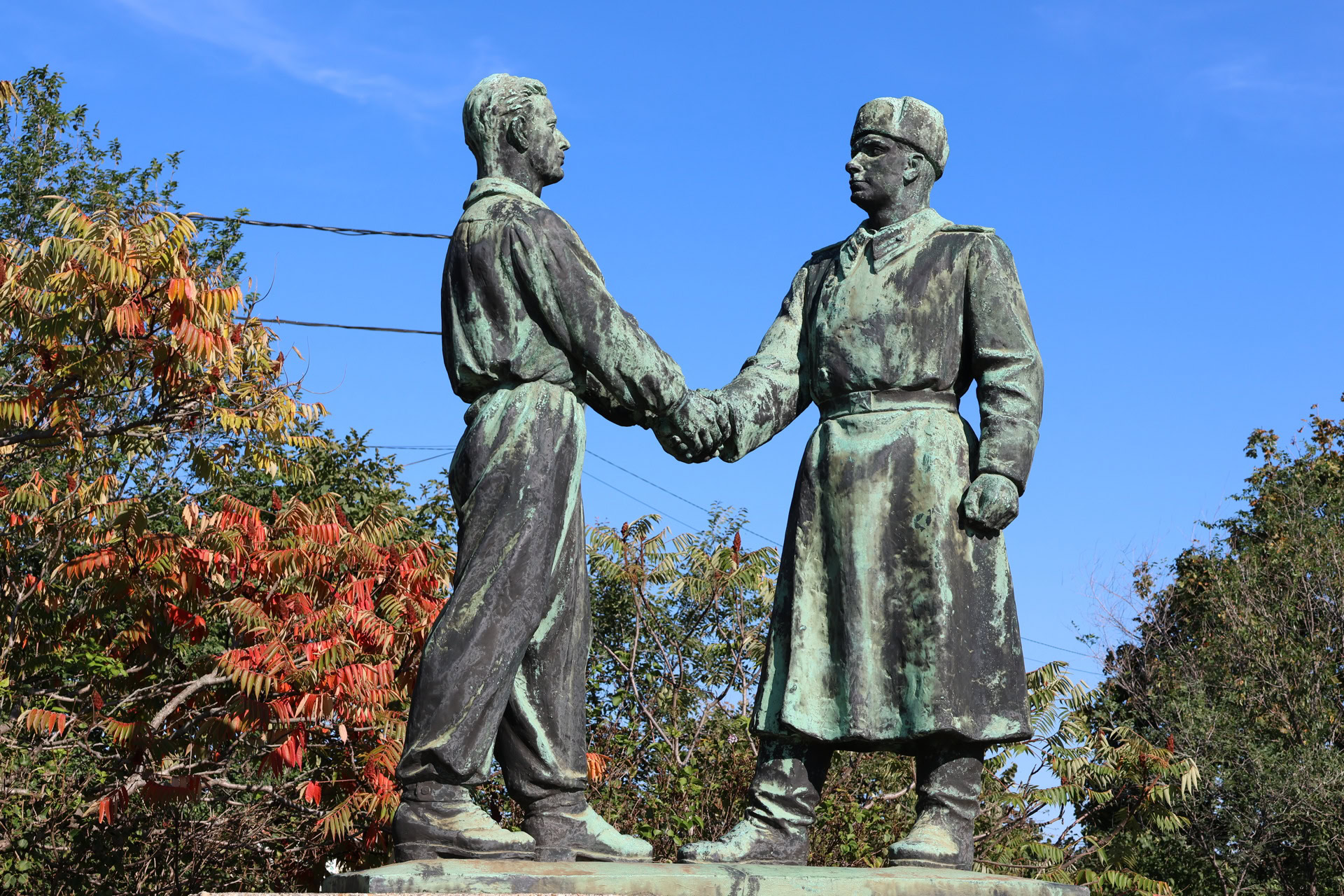
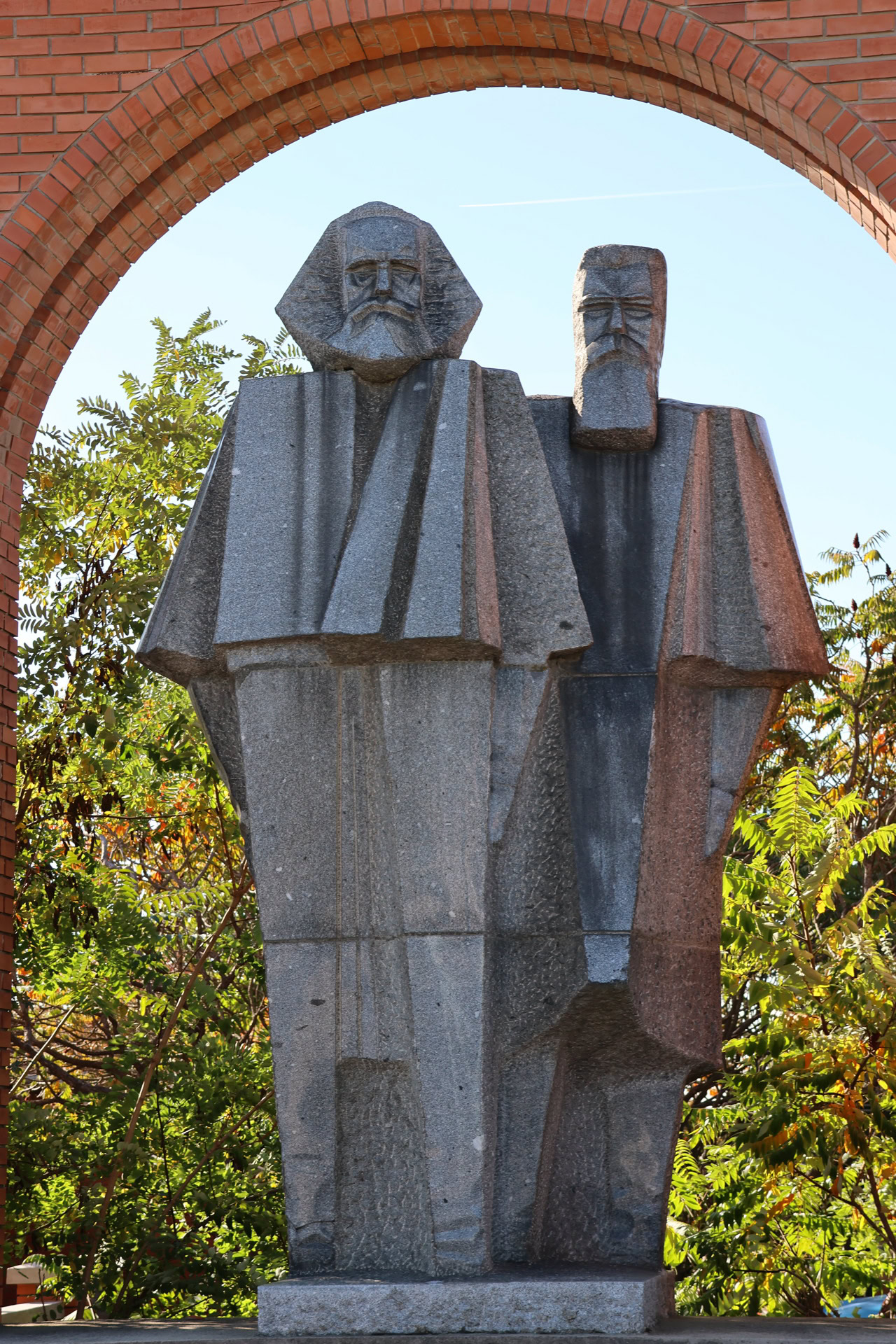
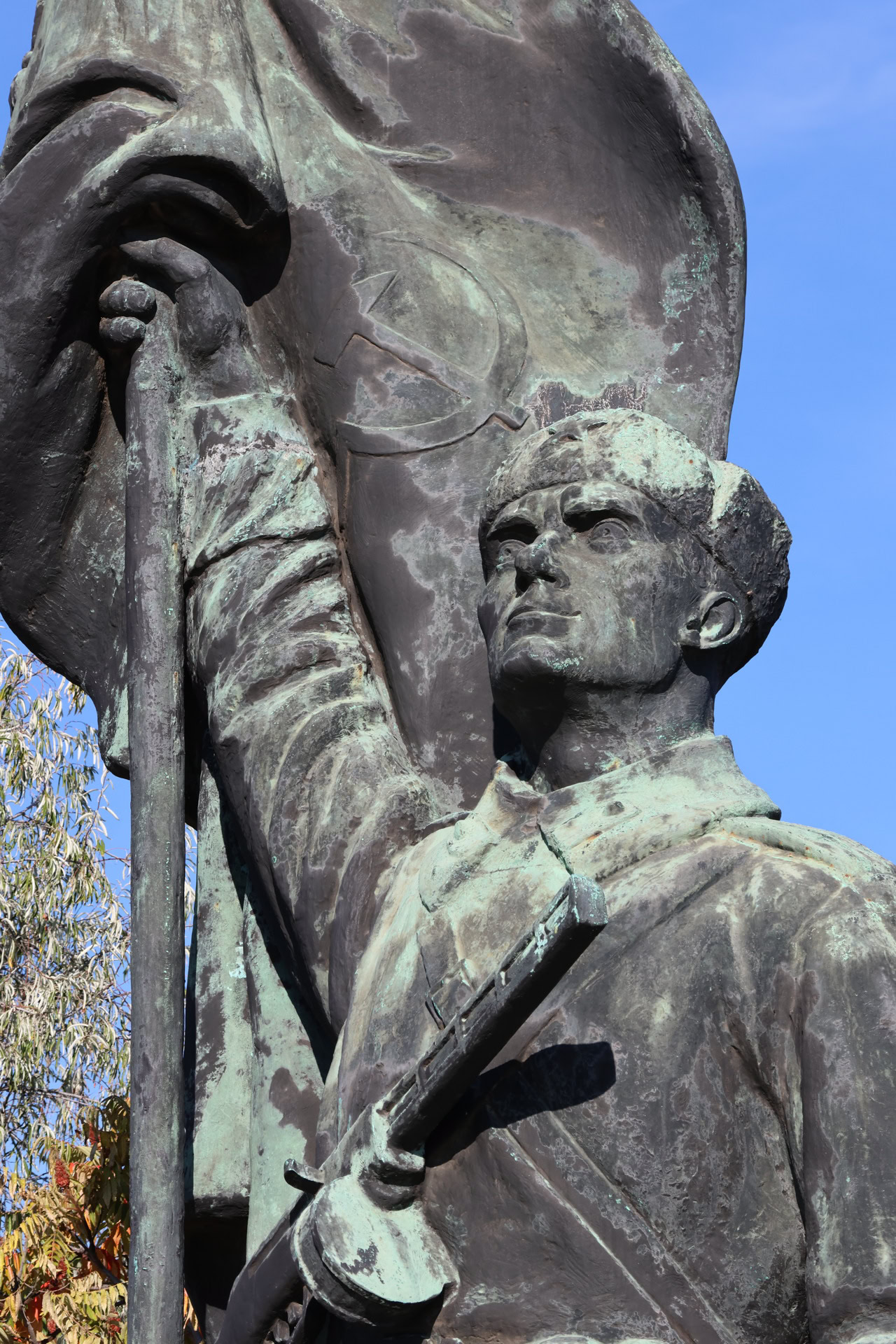
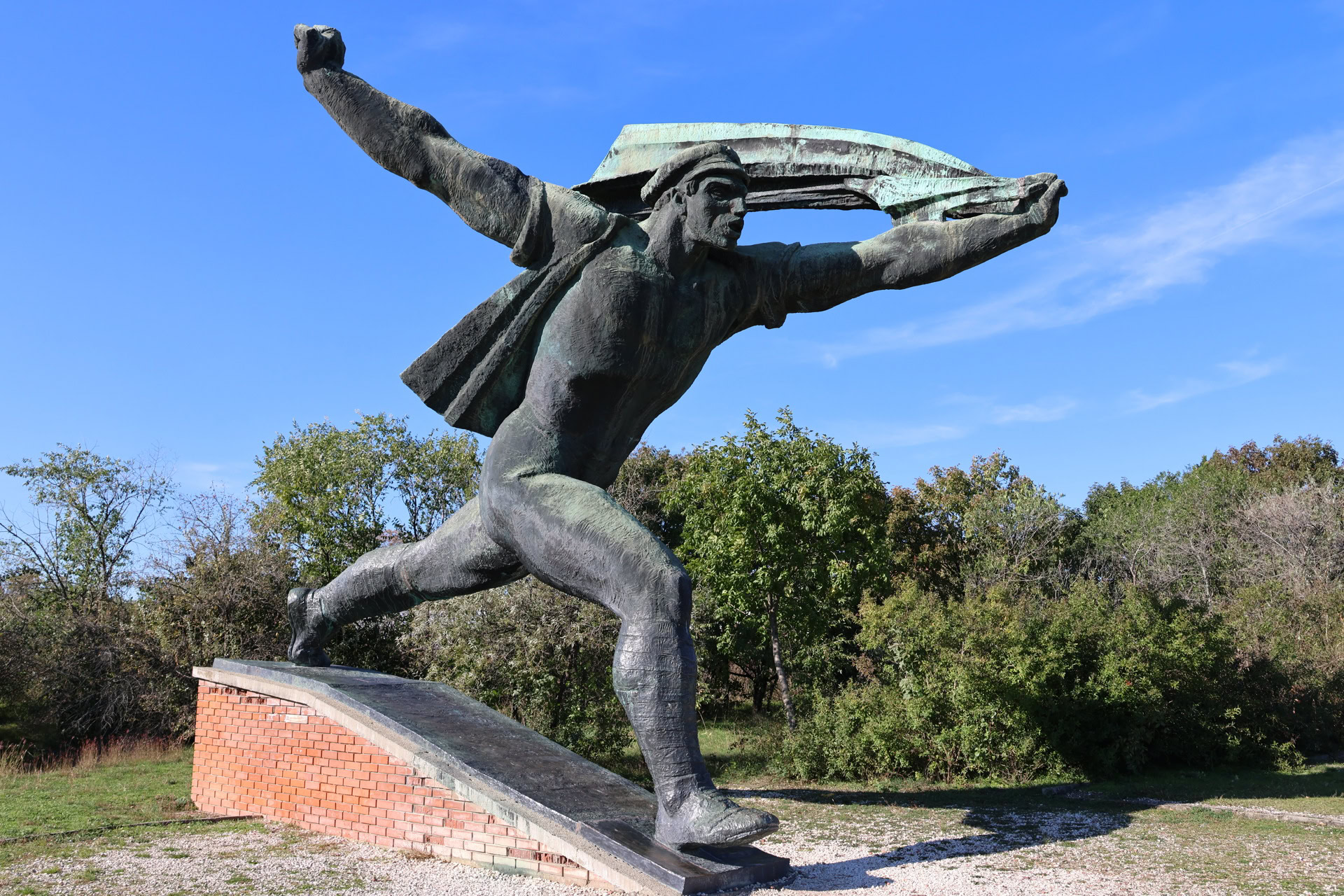
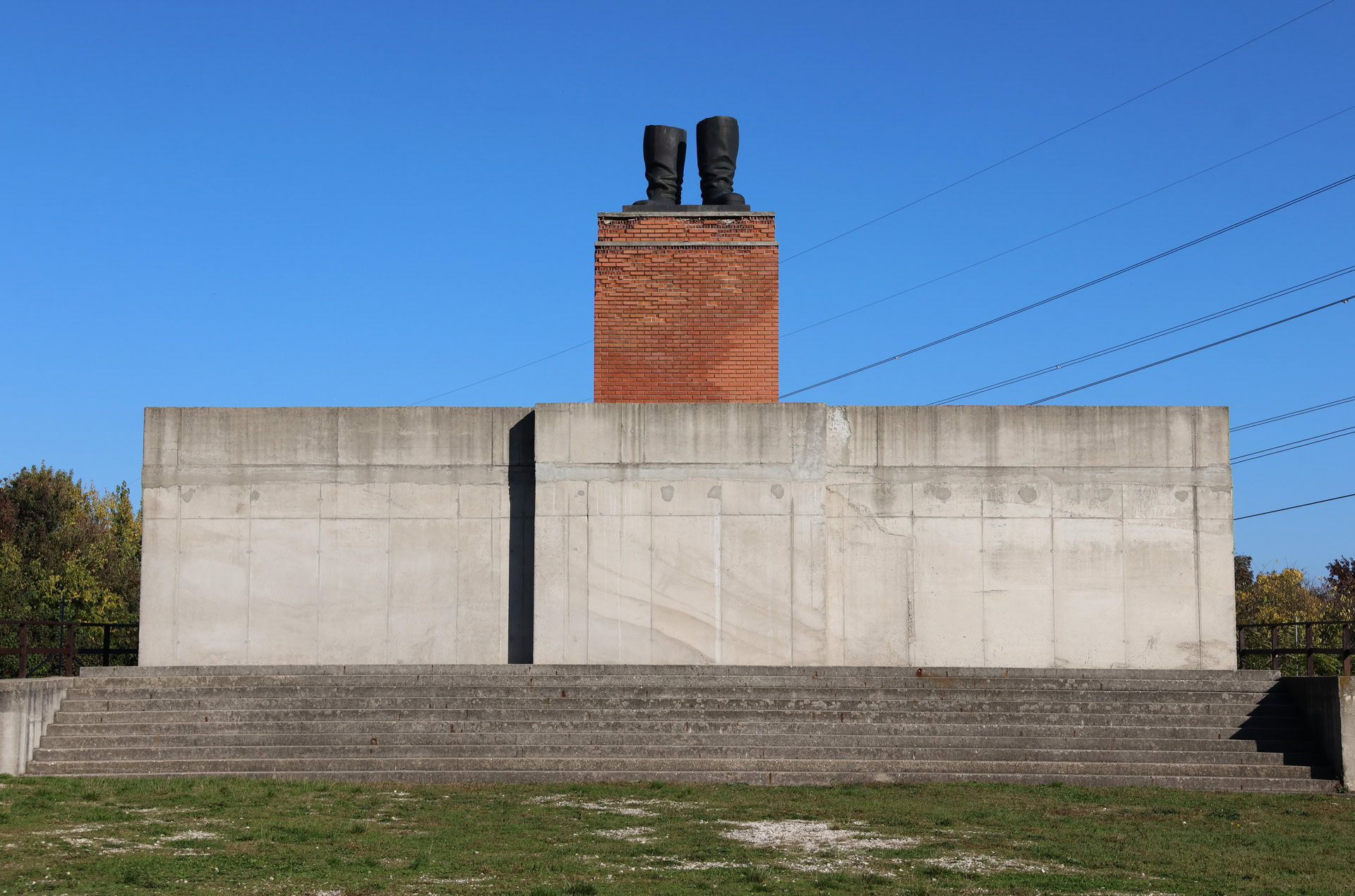
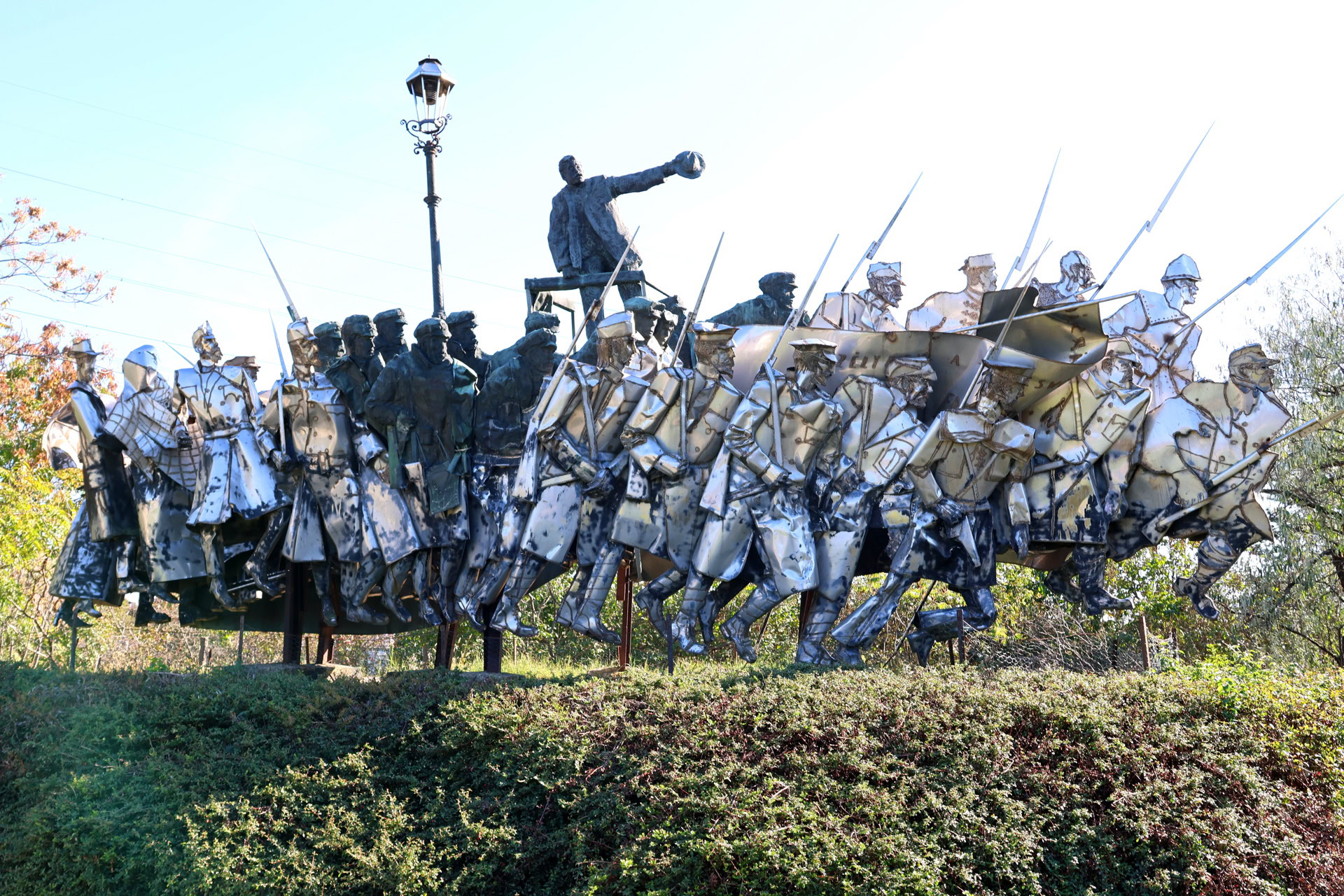
Memento Park is an open-air museum where monumental statues from Hungary’s communist past (1949 to 1989) are preserved and displayed. The main section of the park houses 42 monuments that were salvaged when Communism in Hungary collapsed in 1989, arranged to be easily photographed with explanatory plaques. A smaller section across the road is a life-size replica of the base of Stalin’s Boots, a monument that became a symbol of Hungarian opposition to Soviet influence when the 25-metre high statue of Stalin was destroyed, leaving only the boots on the top of the plinth. A blue Trabant that was parked beneath a tree near the entrance to Memento Park was icing on the cake of the experience of visiting the exhibition.
It should have been an easy 14-kilometre drive from Memento Park to the Avis depot in downtown Budapest. Unfortunately, there were huge rush hour traffic jams in Budapest by the time I was approaching the downtown area. More significantly, the mobile phone network I was using for navigation was down, so I was not getting any driving directions on Google Maps. Even the GPS seemed to be bouncing around to the extent that I couldn’t be sure which road I was on. I knew the general direction I had to travel by noting the direction of the setting sun, but that stopped working for me when I entered the narrow, shaded, one-way streets of the old town.
In the end, I double-parked in a dead-end laneway, ran into a pub and asked if I could tap into their secure wi-fi for a minute to load the directions to Avis, knowing that once loaded it would adapt to any wrong turns I made. It still took a long while in the clogged streets, but I finally reached the Avis office and dropped off the car. Finally, I walked the 1.5 kilometres with my (fortunately very little) luggage to my hotel, the Crowne Plaza on Váci Street near Budapest Nyugati (Budapest West) Railway Station.
It was a huge relief to arrive, get to my room, lie down on my bed and exhale.