Monday 14 October 2024
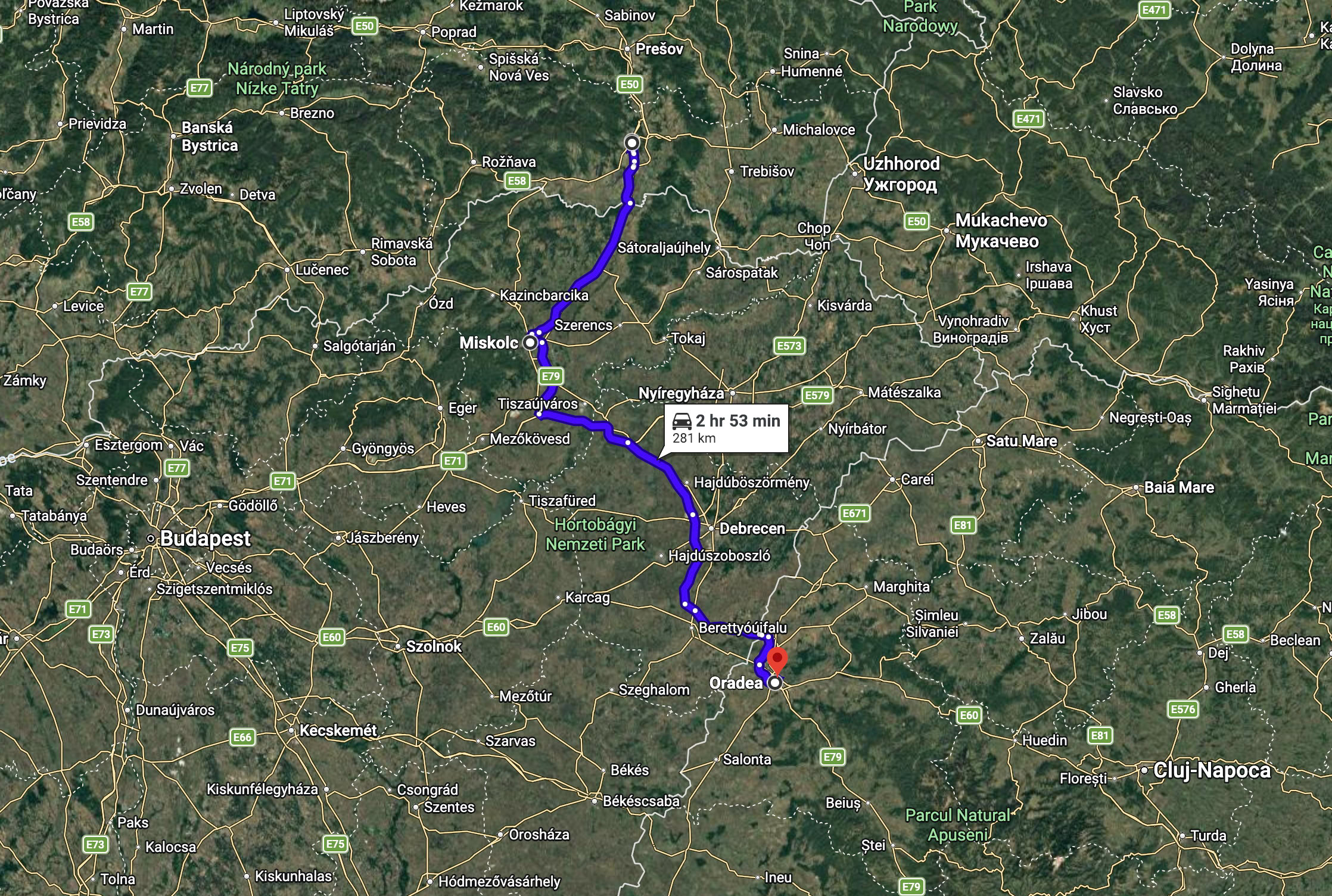
Košice to Oradea



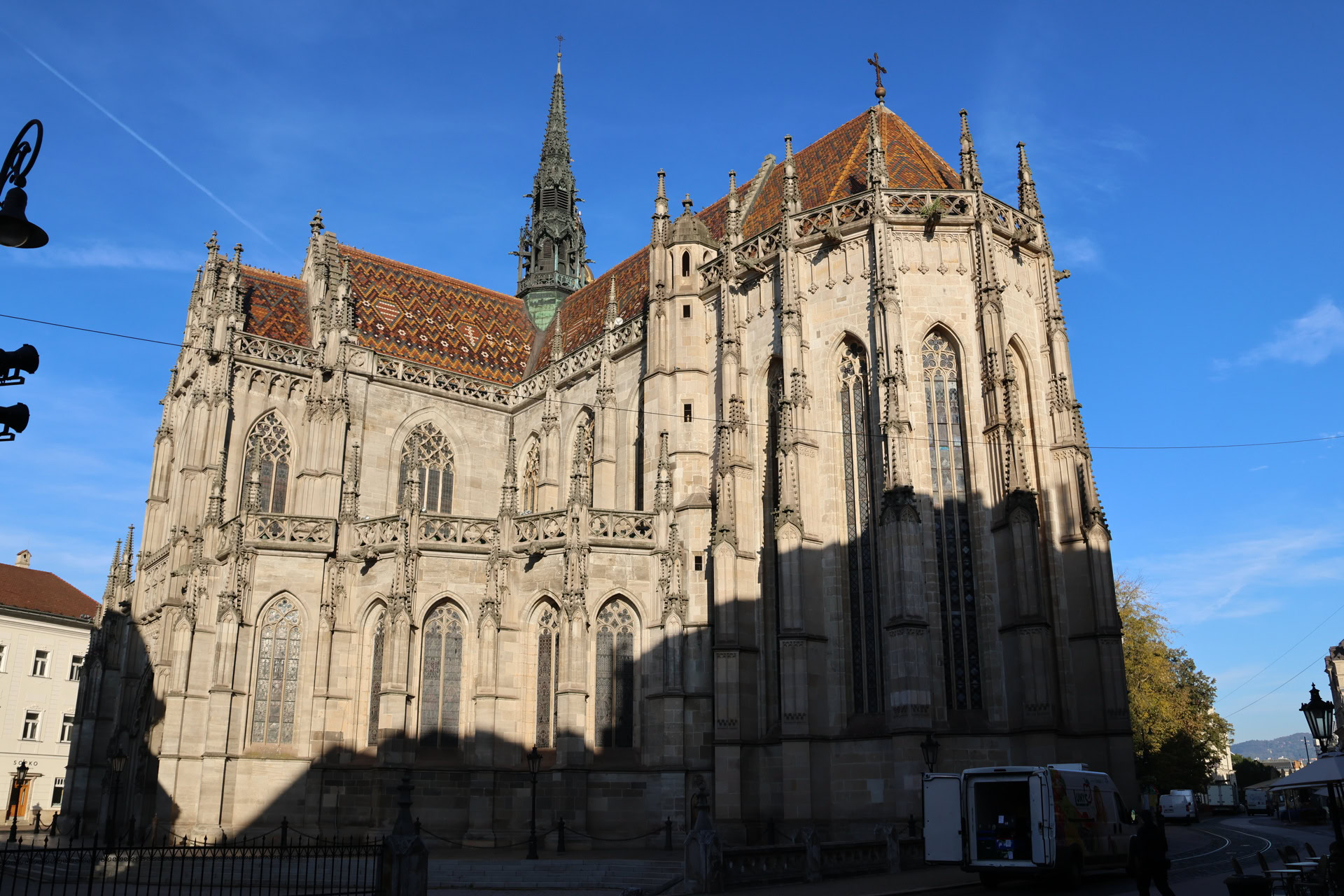
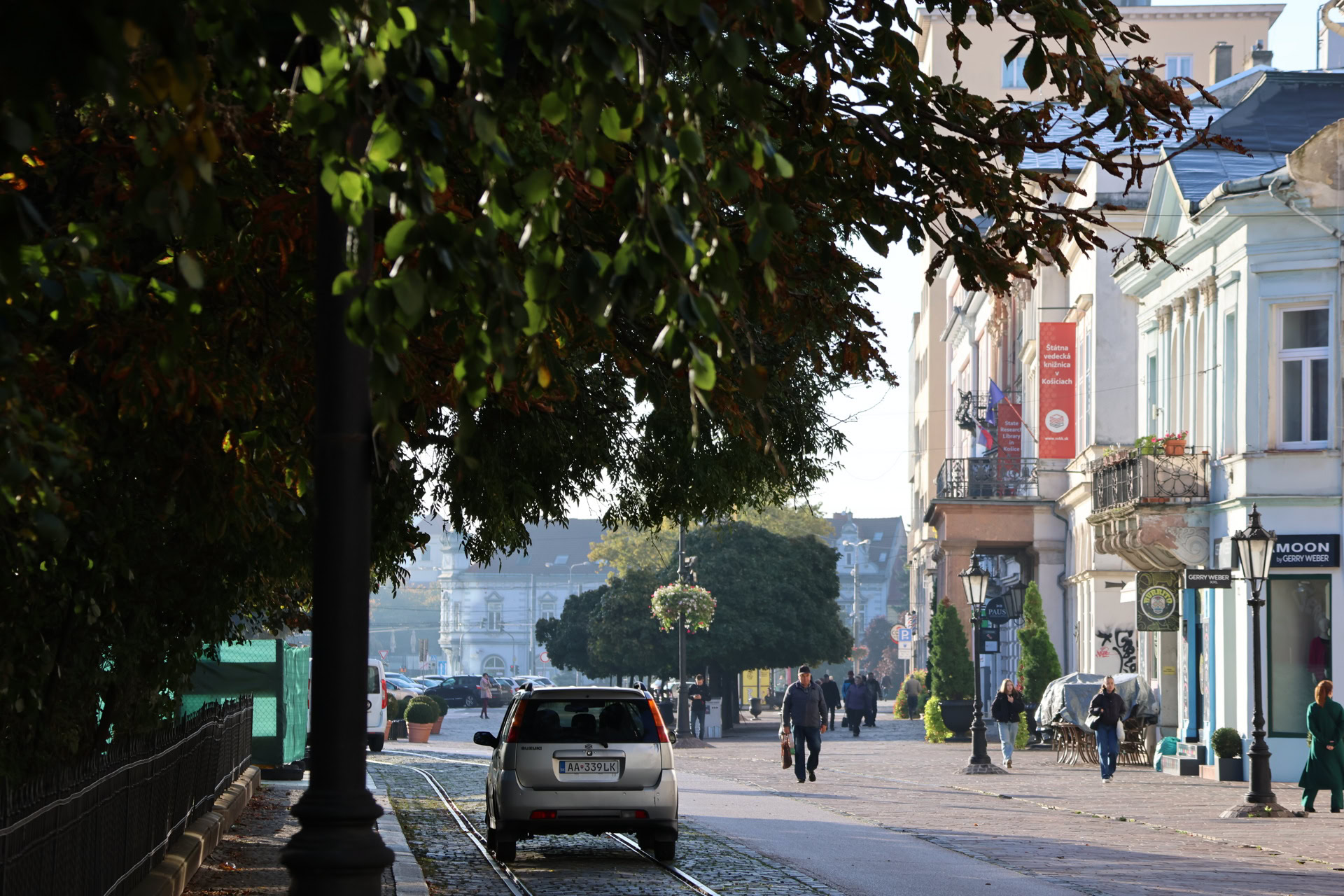
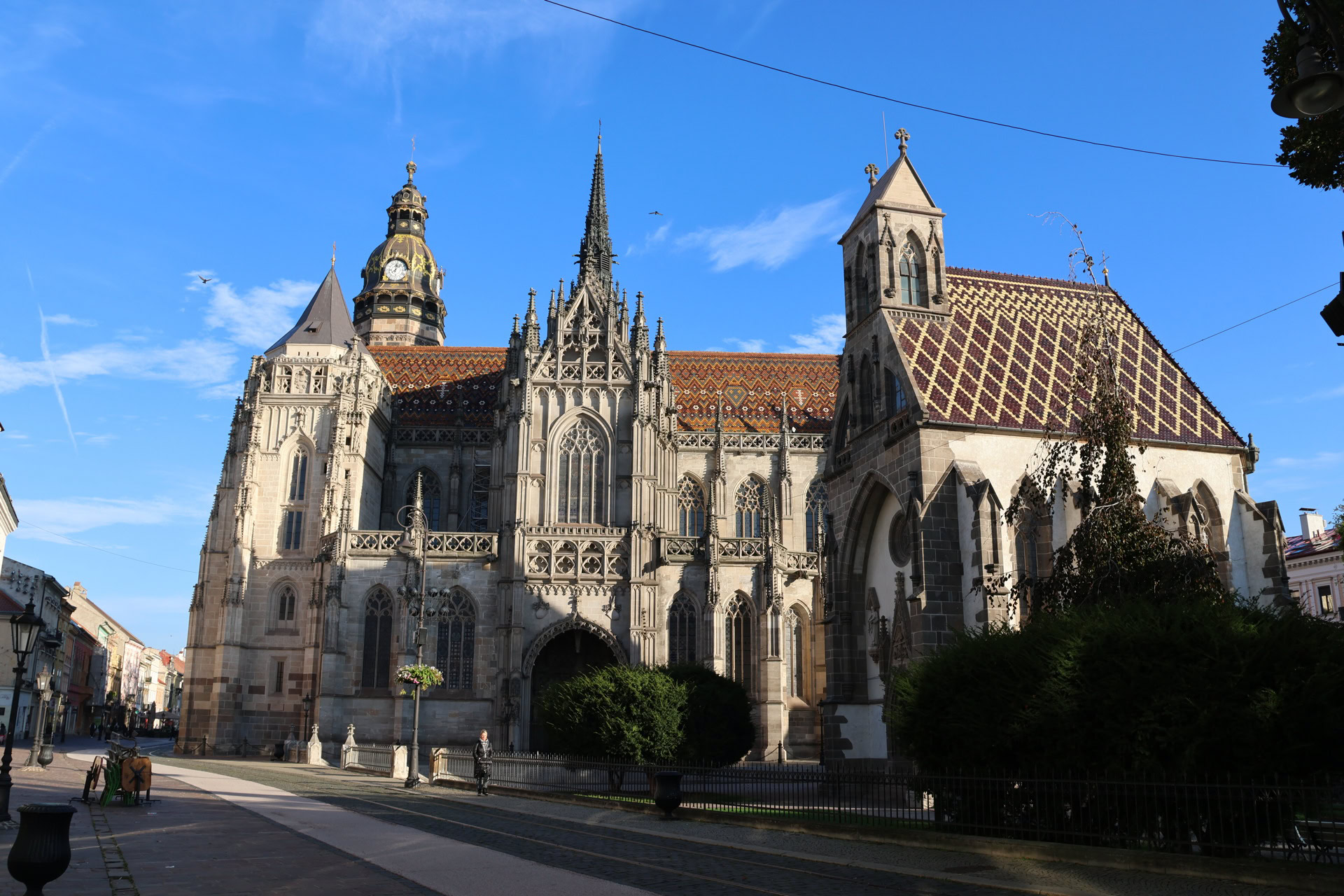
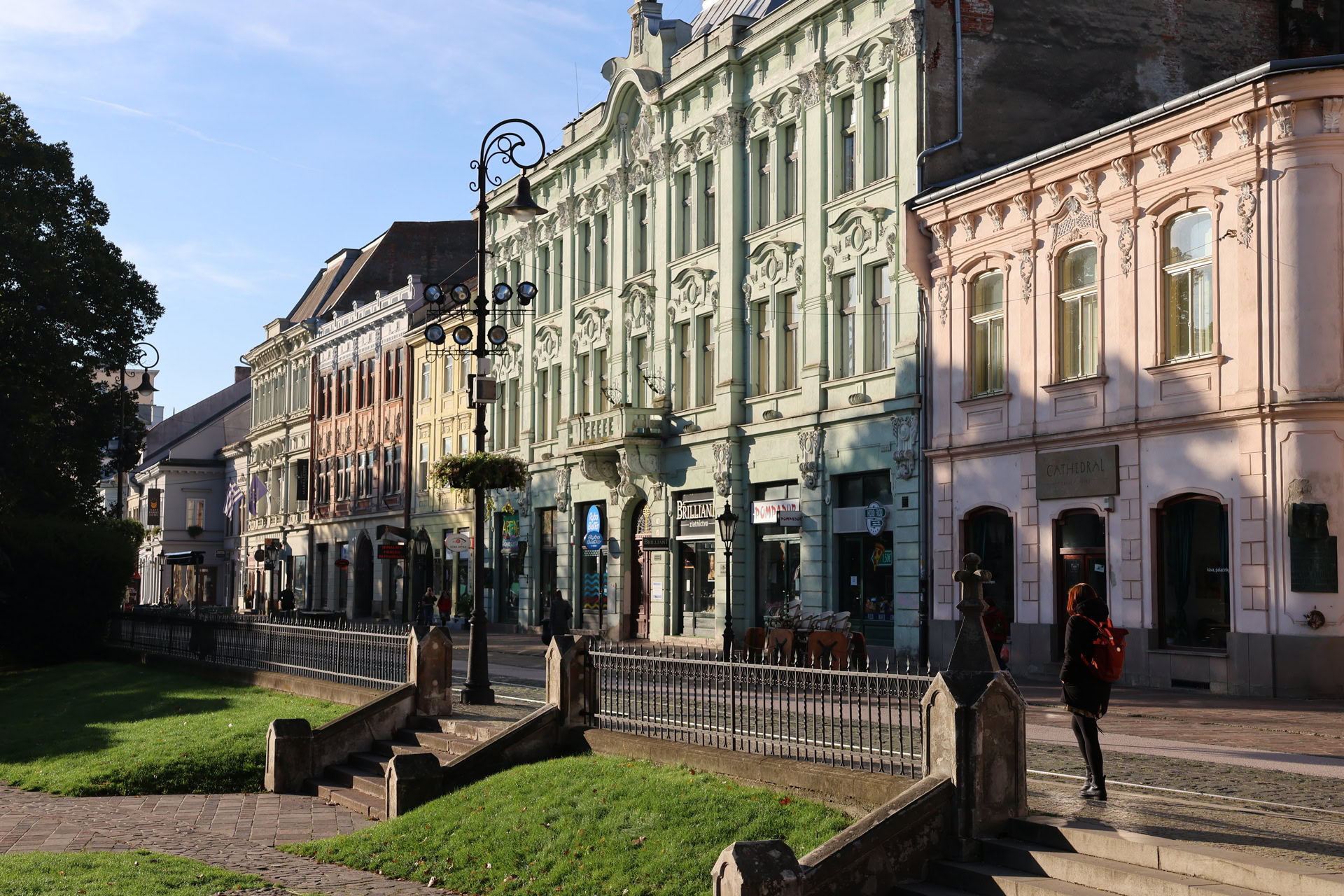
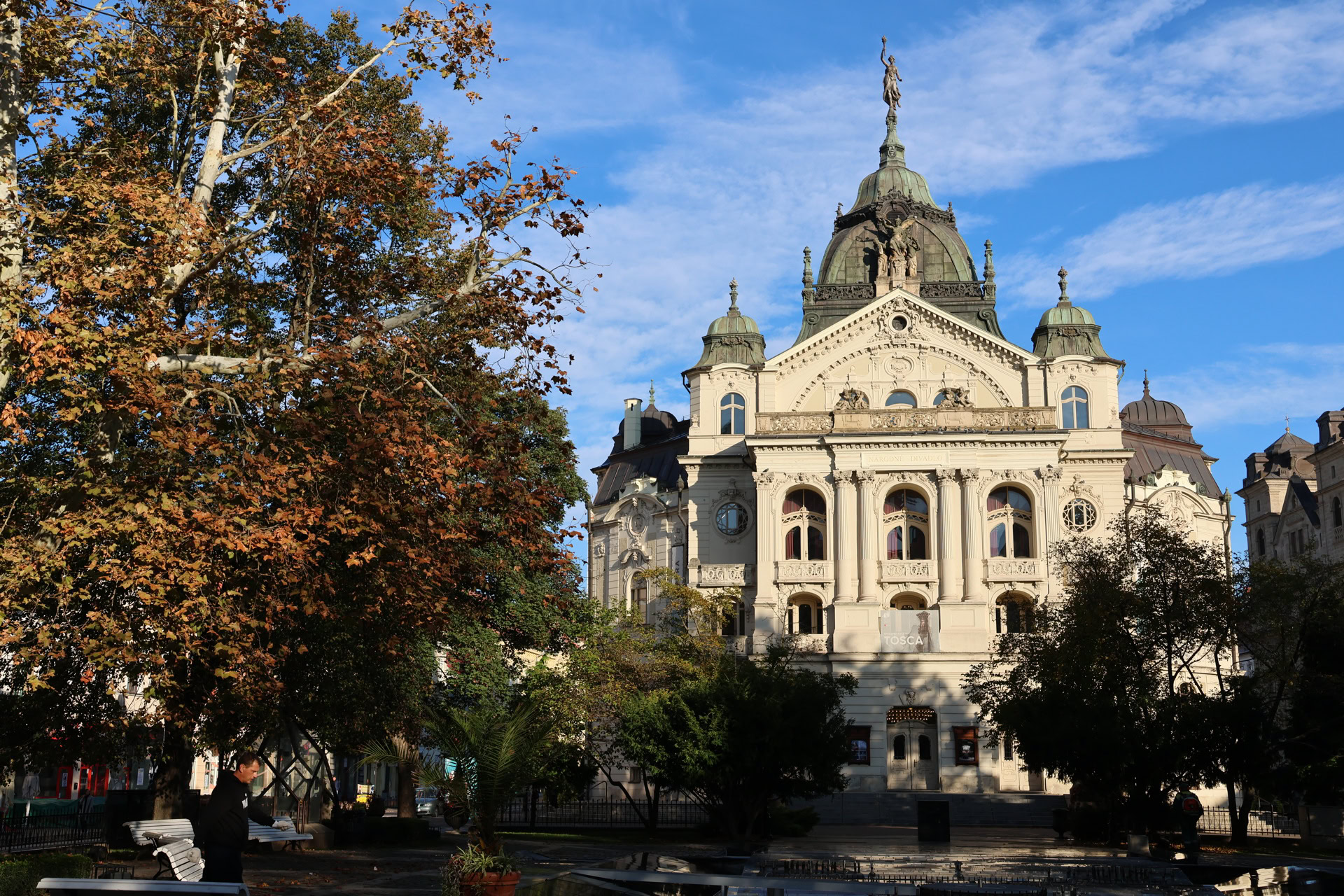
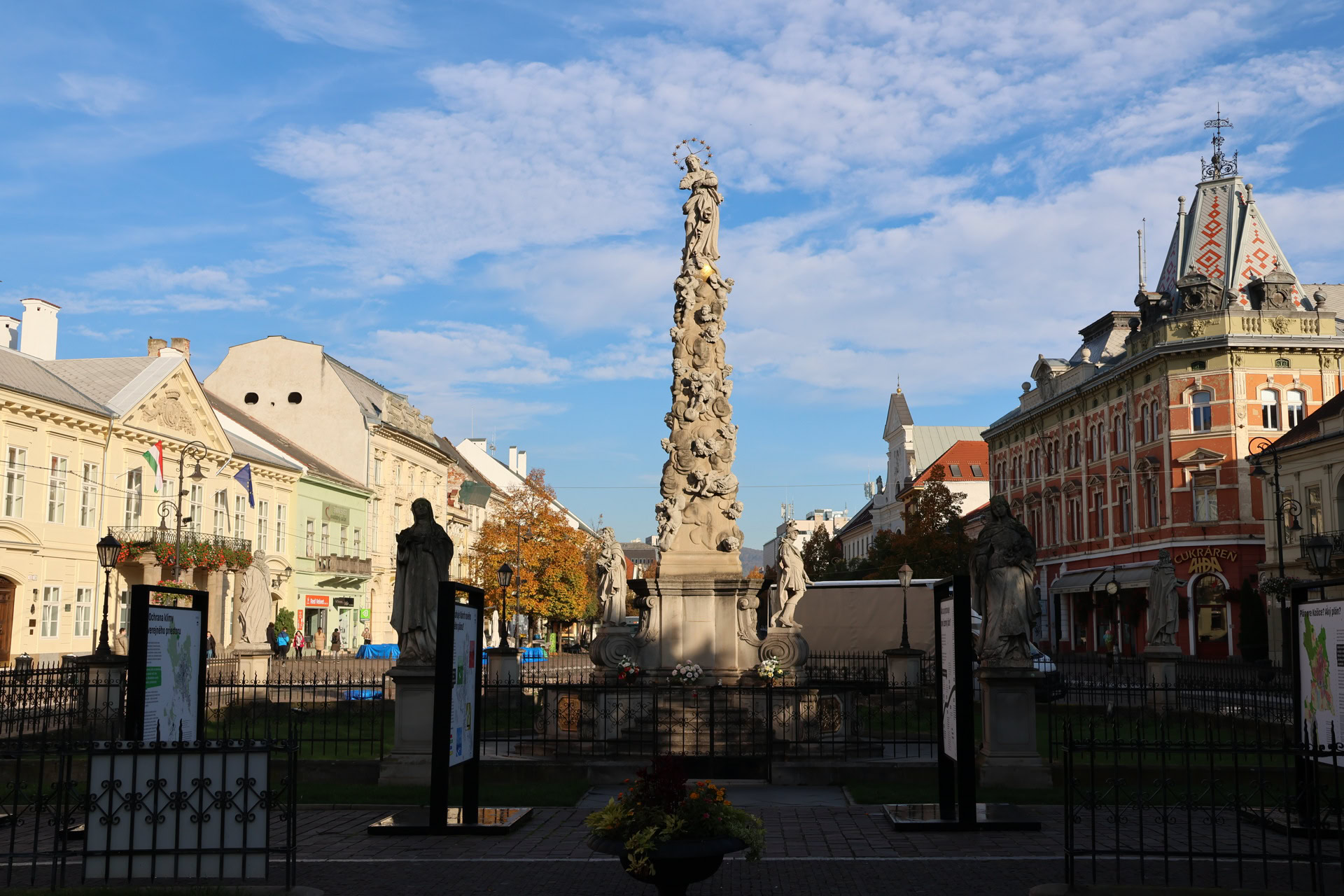
Kosiče was dark when I arrived last night, so this morning was my time to go for a walking tour of the old city. I did a slow 3.2-kilometre walk through and around the Old town – slow because I kept stopping to get photos of this beautiful city illuminated by clear, early morning light.
I left my hotel and headed for what seemed to be the centre of the city, St Elizabeth’s Cathedral, located in a long parkland around which the old city was built. The gothic cathedral (which was closed) looked superb, as did the well-preserved old buildings surrounding it. I headed north along the parklands, and continued in that direction along a wide street called Hlavná after the parklands stopped before turning left into a street called Zbrojnična, all the time being very thankful that I didn’t need to pronounce any of the street names.
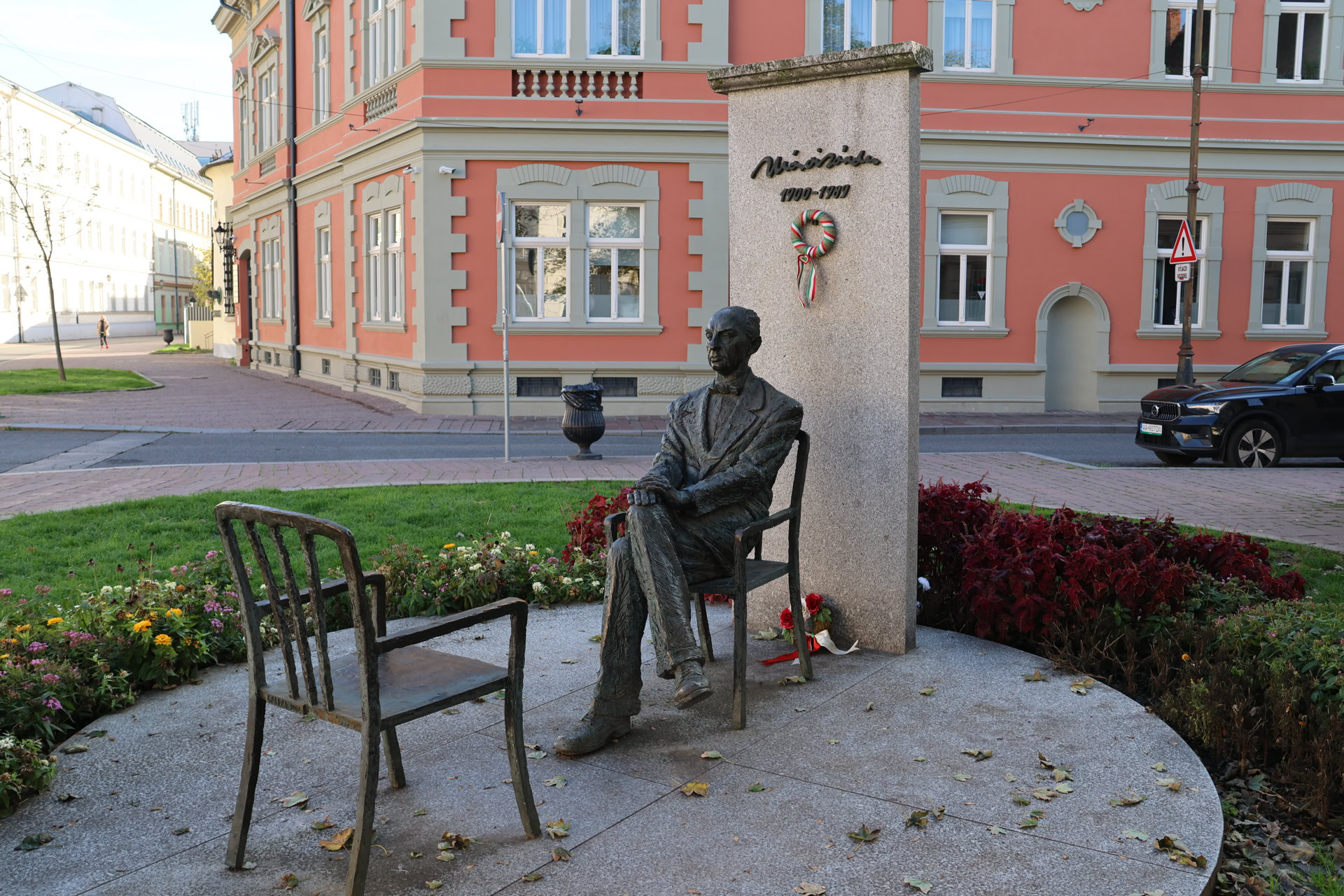
I came to a statue of Sandor Marai (who you would know is Kosiče’s most famous poet), looking depressed just as one would expect of a poet, near the corner of Zbrojnična and Masiarska. The statue showed him seated while looking forlornly at an empty chair in front of him, suggesting strongly that he had no friends in the world and wished someone would sit in the empty chair and tell him how much they appreciated his writings. I resisted the temptation to do so and continued walking westwards before turning left into a narrow street named Baštová, which soon changed its name to Hradbová.
I had hoped to complete an easy circuit back to my hotel, but finding Hradbová to be closed for reconstruction work, I did a U-turn to walk northwards along Hradbová, then right (east) into Poštová, right again (i.e. south) into Mäsiarska (which soon changed its name to Bočná), then left (i.e. east) into Vrátna, right (i.e. south) into Hlavná, left (i.e. east) into Rooseveltova, left (i.e. north) into Krmanova, left again into Čajkovského, and finally slight right into Orlia which brought me back to my hotel with a new-found craving for easily pronounceable words.
Having mastered the streets of Kosiče, it was time for me to check out of the hotel and begin my drive for the day, a journey of almost 300 kilometres that would take me through three countries.
I left Kosiče and took the short 25-kilometre journey south to the border with Hungary. The old border crossing gates remain but they are unstaffed, locked and closed, so entering Hungary simply meant driving through the crossing without stopping, and without even the need to slow down very much. A further 65 kilometre drive southwards brought me to my first stop for the day, the Hungarian city of Miskolc.
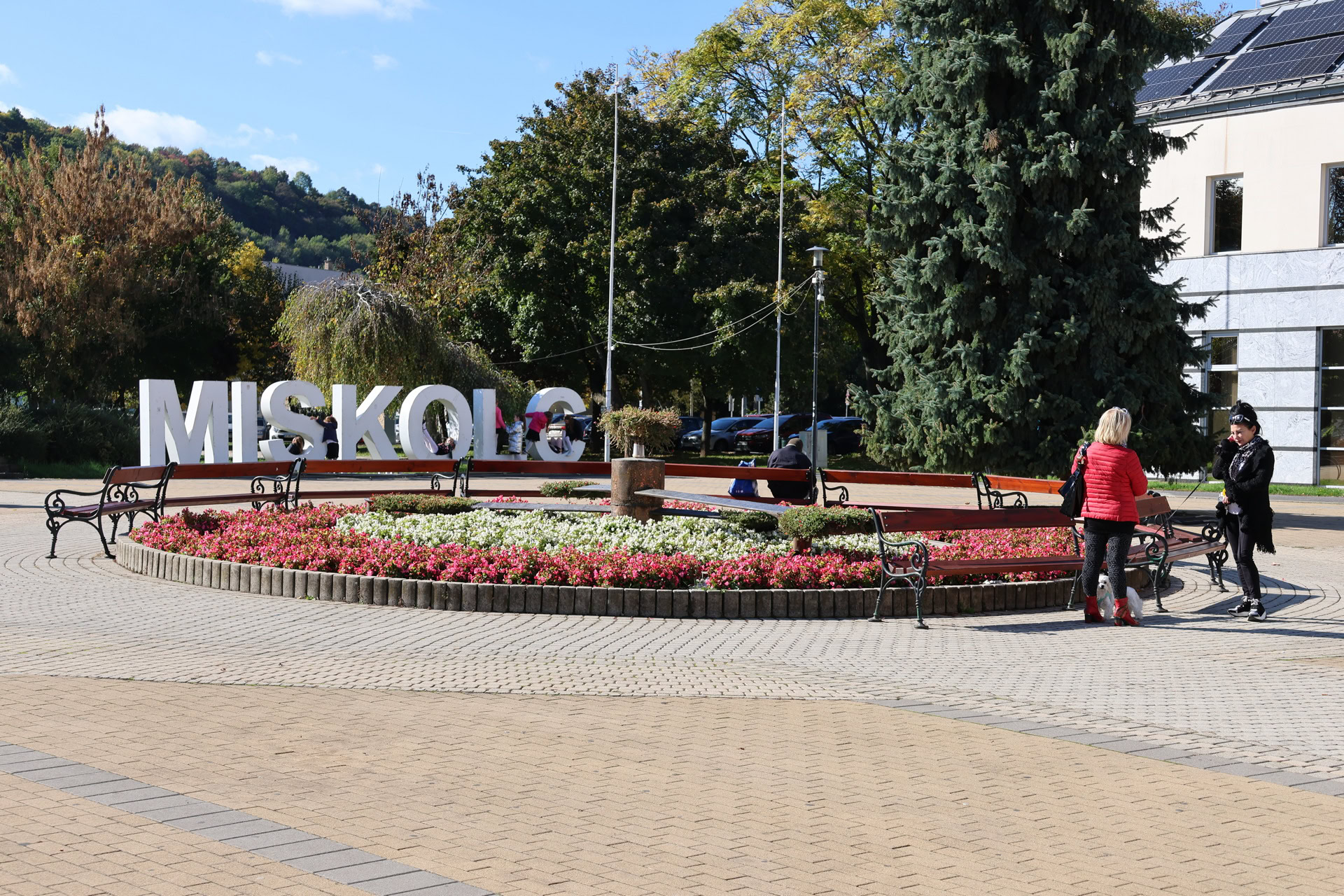
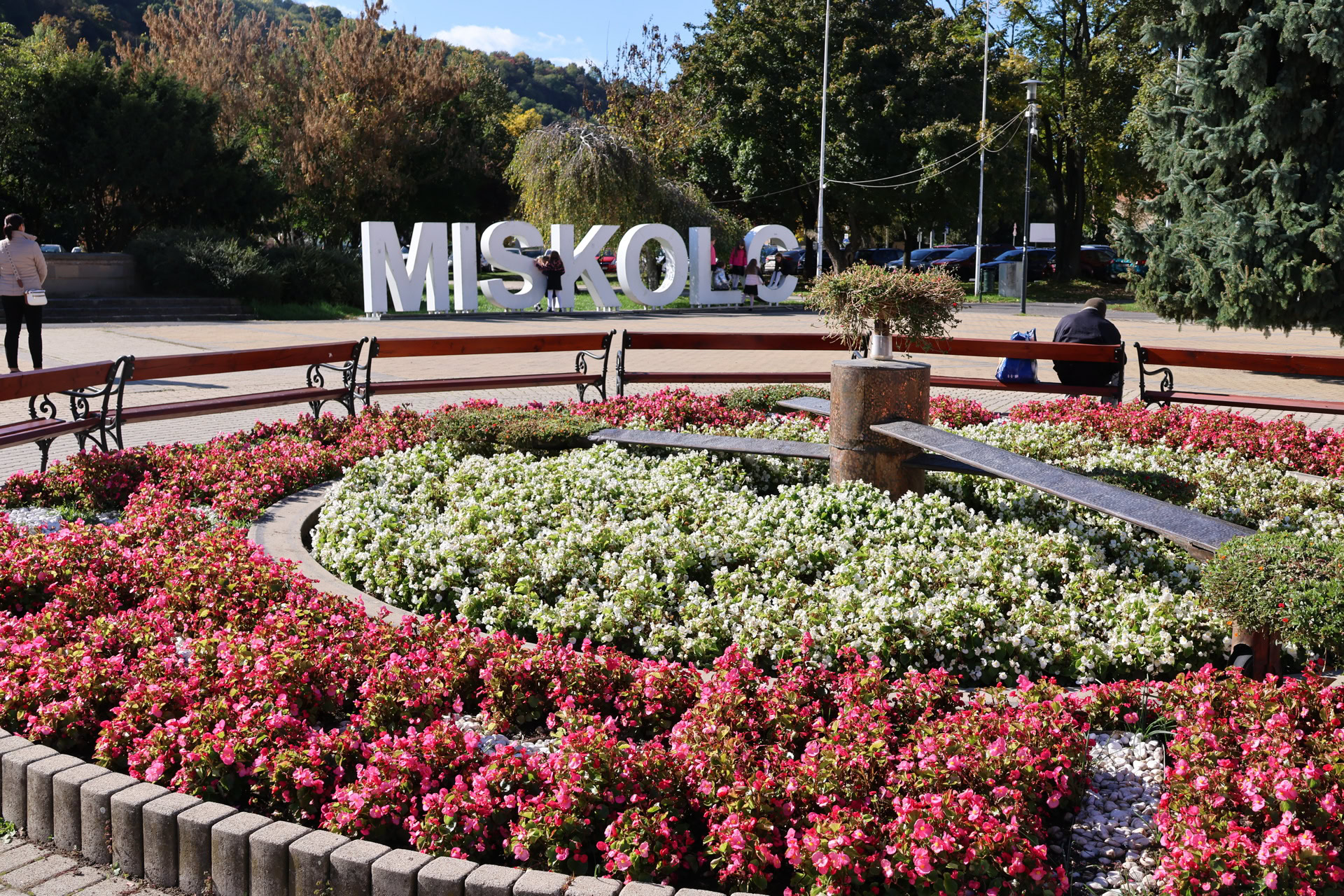
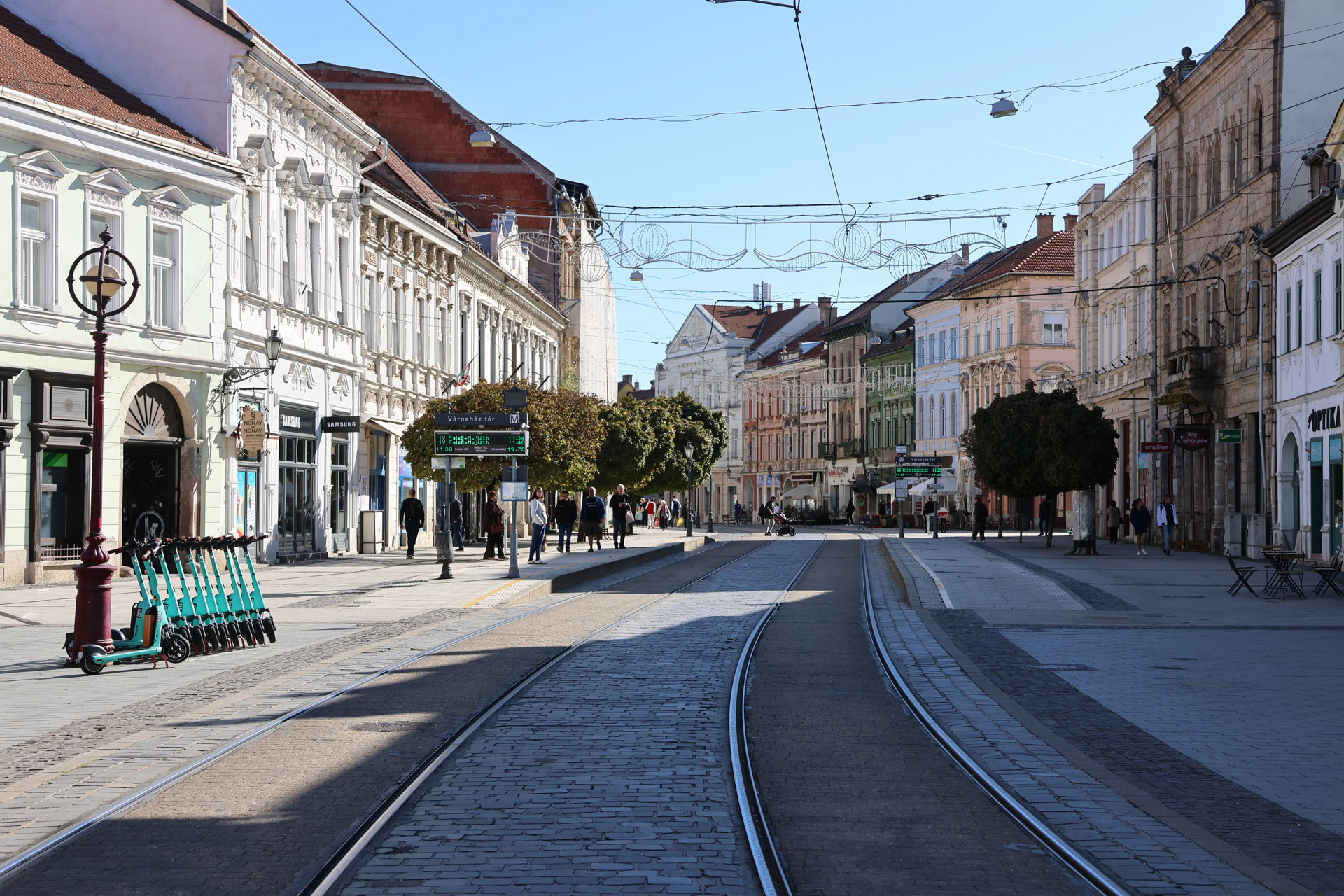
I was keen to visit Miskolc because we had stayed there overnight during our 1987 trip, and I was keen to interested the changes. I drove first to the city centre to the zone where Városház Tér meets Széchenyi István Street. In 1987, Széchenyi István Street had been under repair. Unsurprisingly, these repairs had been well-and-truly completed in the subsequent 37 years, and it was now a very pleasant pedestrian plaza will beautifully renovated old buildings lining the street.
I took the short 100-metre walk from Városház Tér south through Virágóra Park along Szent István Terrace to the edge of a car park on Kálvin János Street where I had photographed my family in 1987 against the beautiful backdrop of the Gothic Protestant Church of Avas. I was hoping to replicate the same photo in 2024 (without my family, of course, as they weren’t in Hungary with me). I did so, but I thought the result was disappointing, partly because I couldn’t get the golden afternoon light I had used in 1987, but more because the young trees that I had photographed in the background in 1987 had grown so tall that they obscured all but the very tops of the buildings on the hill.
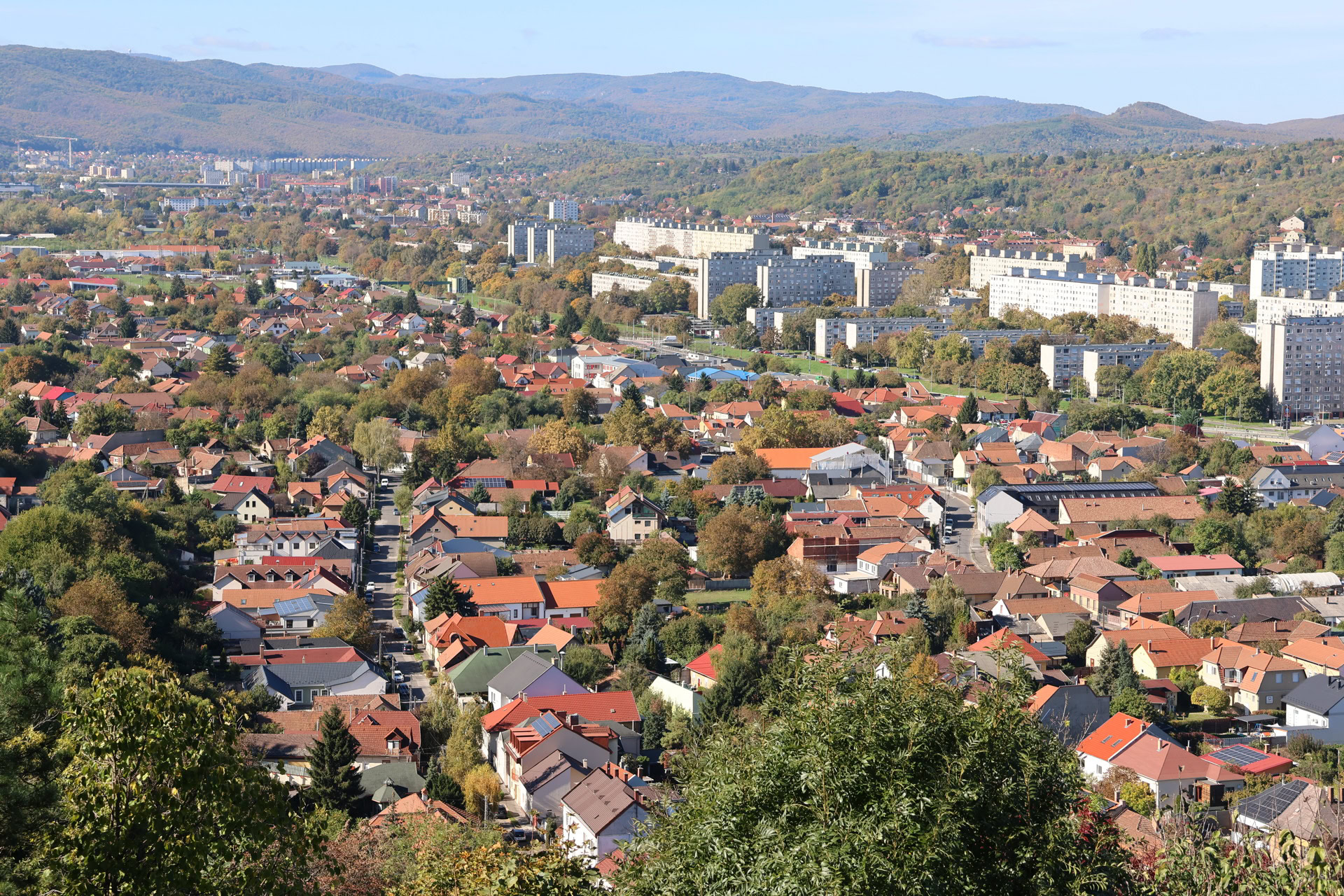
My next stop in Miskolc was another place I had visited in 1987, the observation deck on the telecommunications tower known as Avas Kilátó. Built in 1963, the tower offered sweeping views across the city of Miskolc, which looked wonderful under the clear blue skies above.
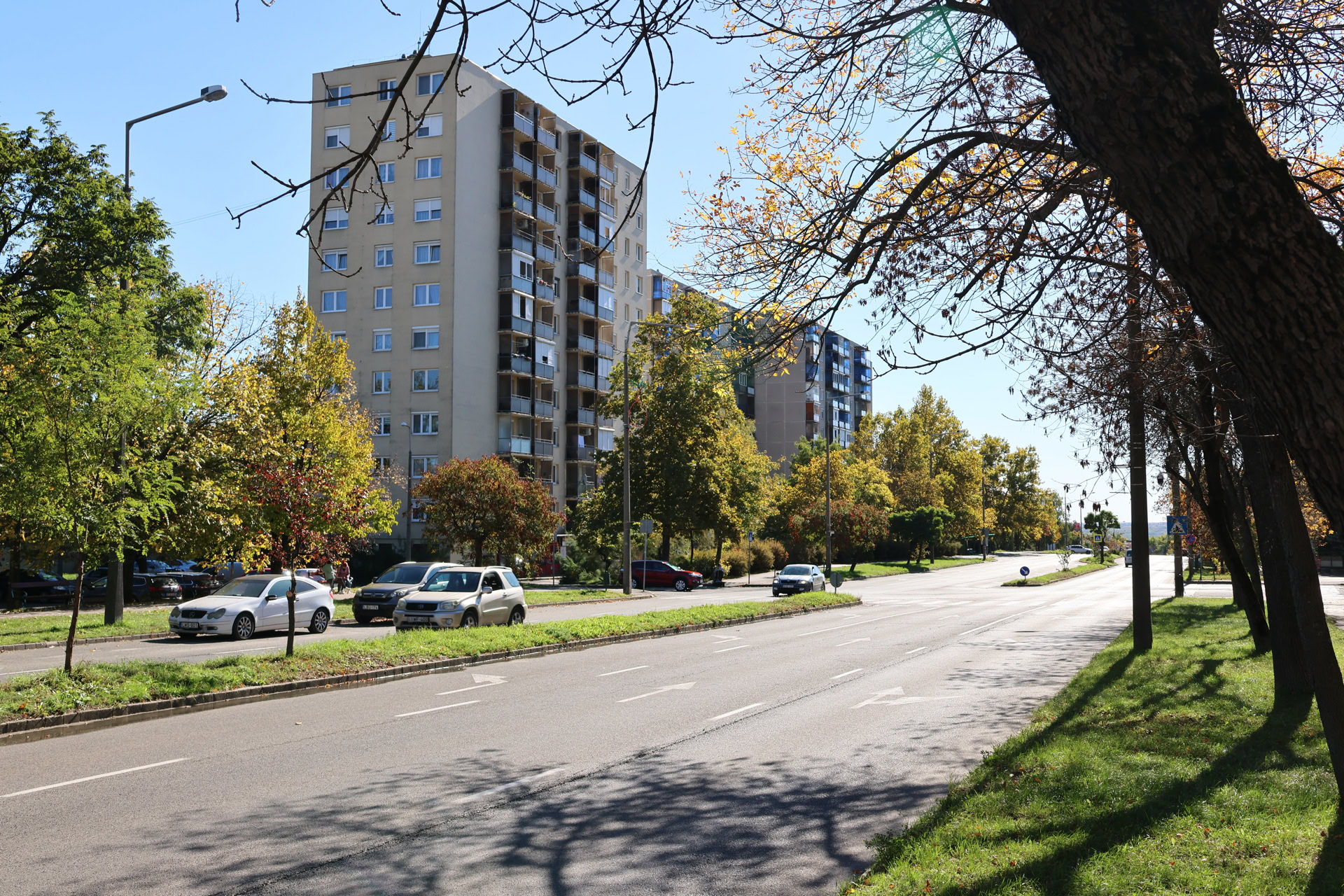
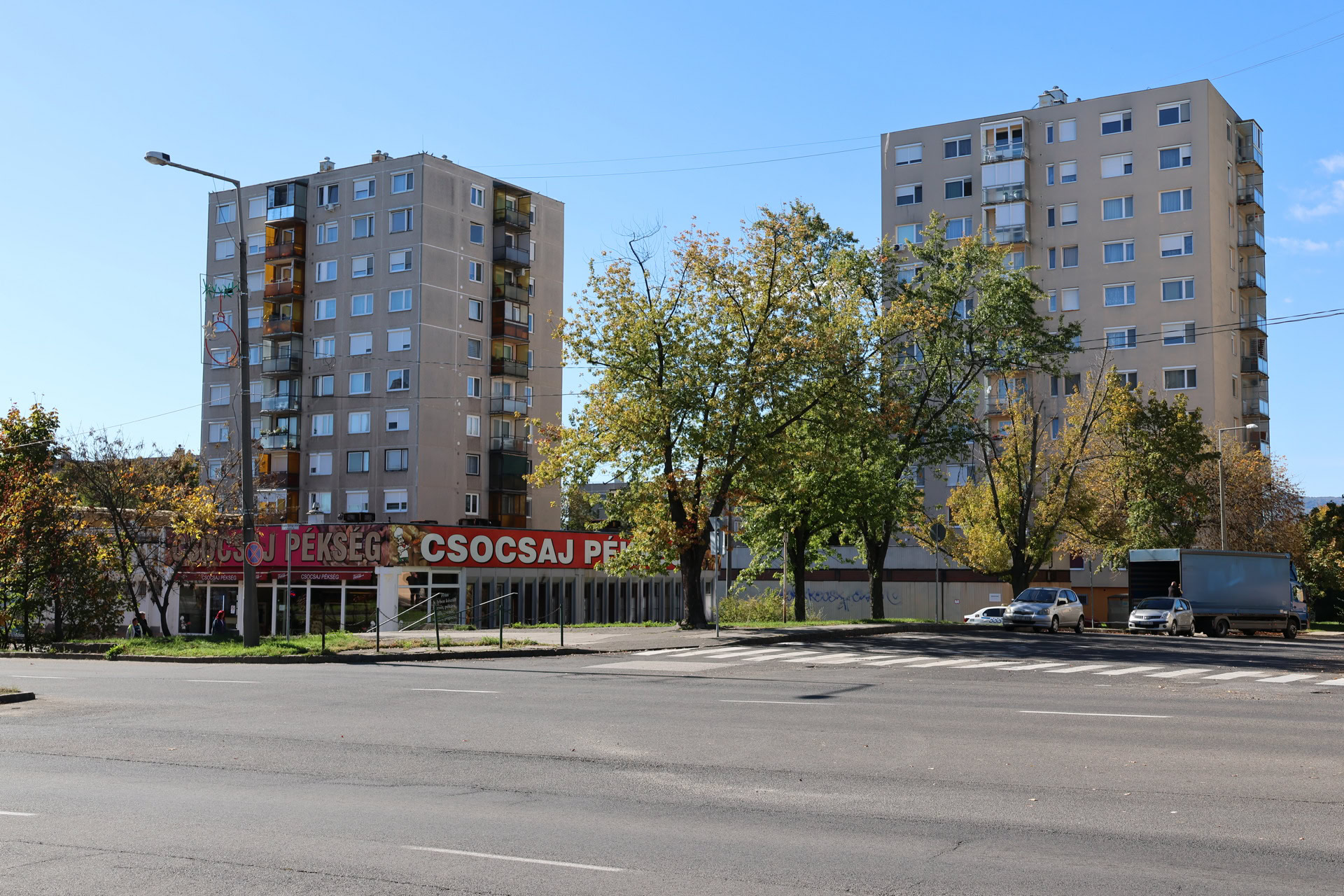
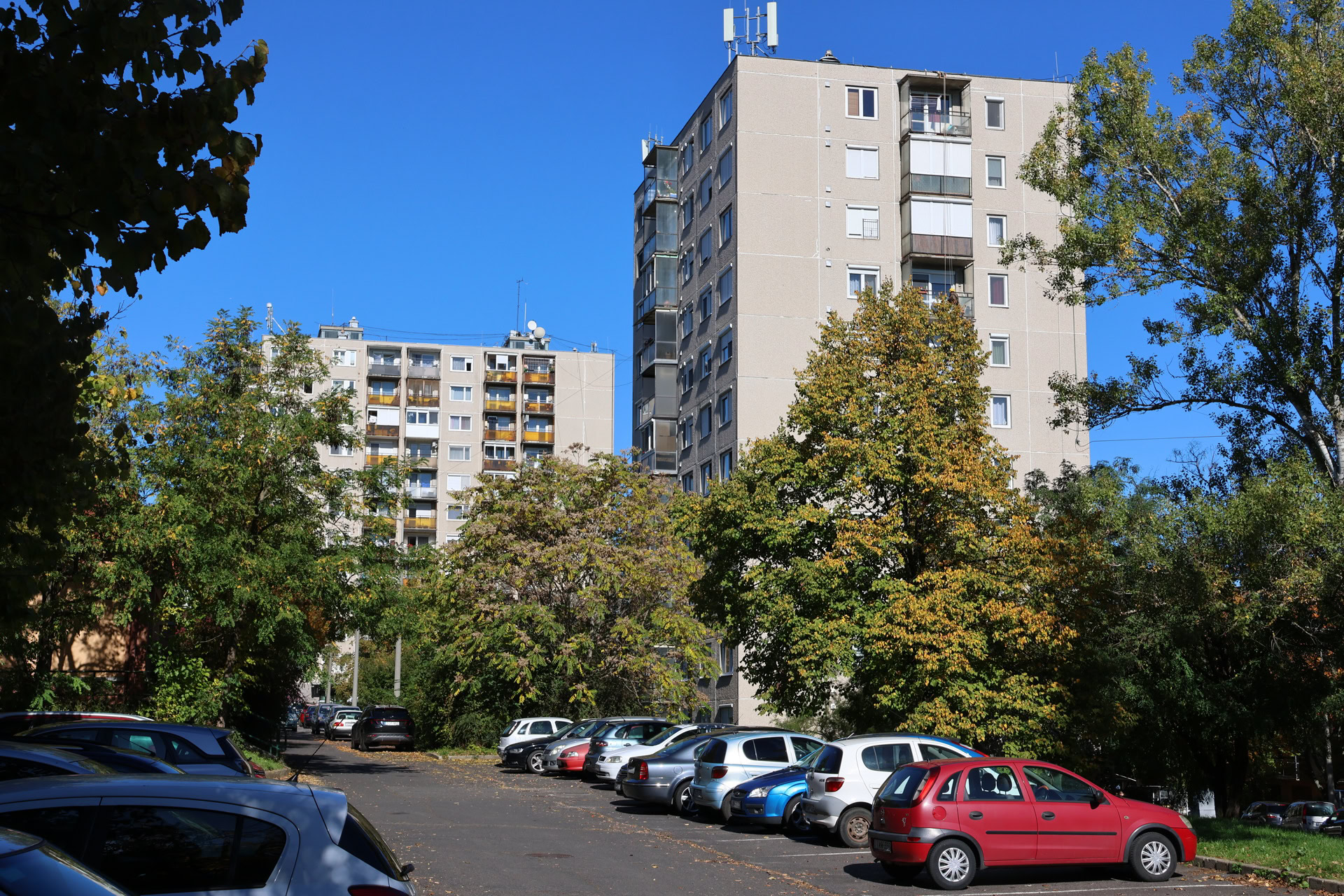
My third stop in Miskolc was Avas, another place we had visited in 1987. Set on a high volcanic hill overlooking the older areas of Miskolc, Avas was a very new area of urban development in 1987, comprising classic socialist high-rise apartment blocks clustered around hierarchical service areas which were grouped in “mikrorayons”. On today’s visit, I thought the area had stood the test of time well. The buildings were still in good condition, and the young saplings had grown into mature trees that provided abundant shade and broke up the institutional feel that prefabricated concrete buildings invariably exude. There was some graffiti, but not much, and there more evidence of commercialisation and advertising than in 1987 – unsurprising given the political and economic changes following the collapse of Communism in Hungary in 1989.
Having absorbed all the nostalgia I could find in my visit to Miskolc, I headed south to my destination for the day, the Romanian city of Oradea, 200 kilometres to the south. I had not been to Oradea before, so I was pleased to arrive in the early afternoon, thus allowing plenty of time to explore the city.
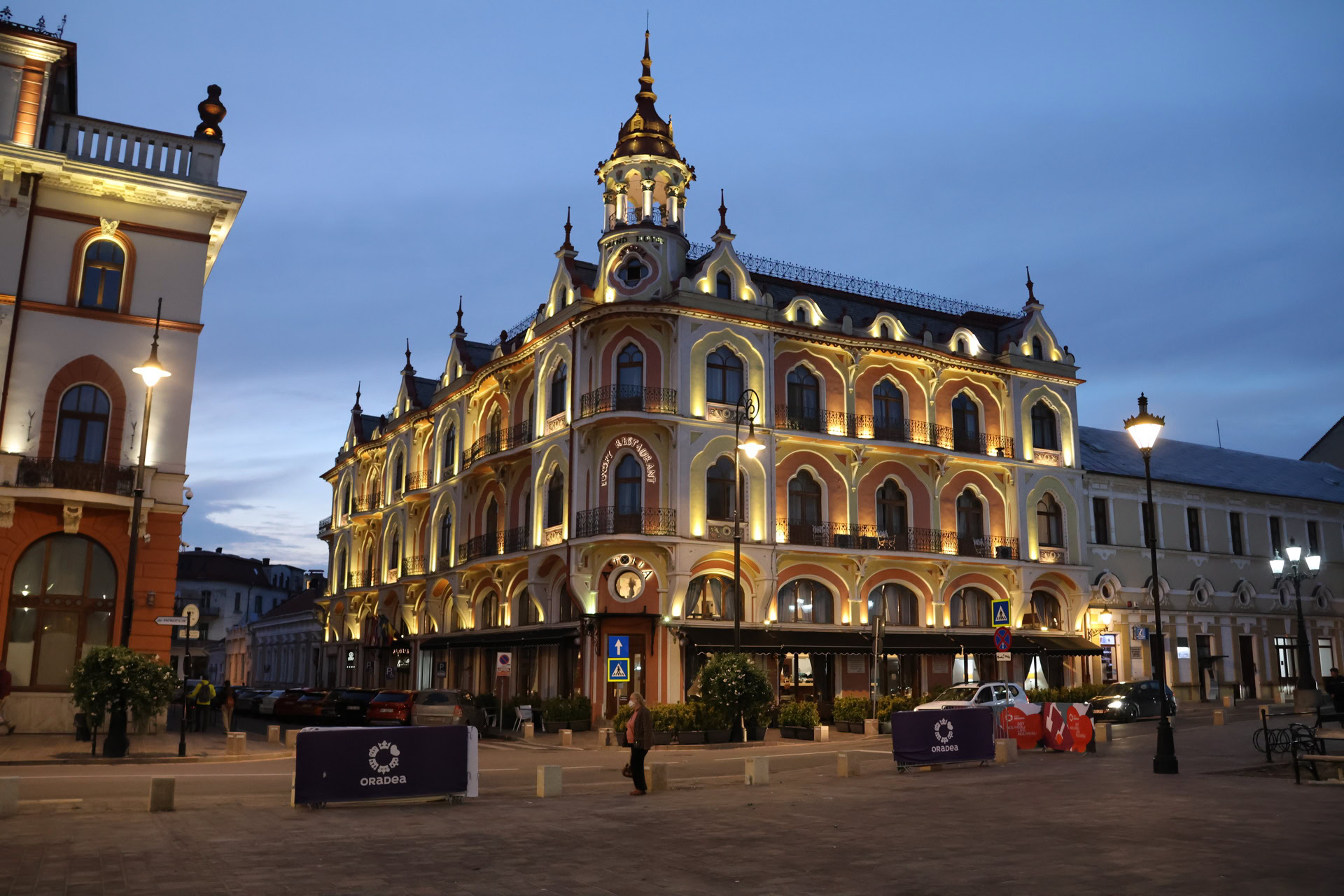
I found my hotel, the Astoria Grand Hotel fairly easily, checked in, and then spent quite a while finding the hotel’s car park, which was away from the hotel in a location that required a circuitous route because of the city’s network of one-way streets.
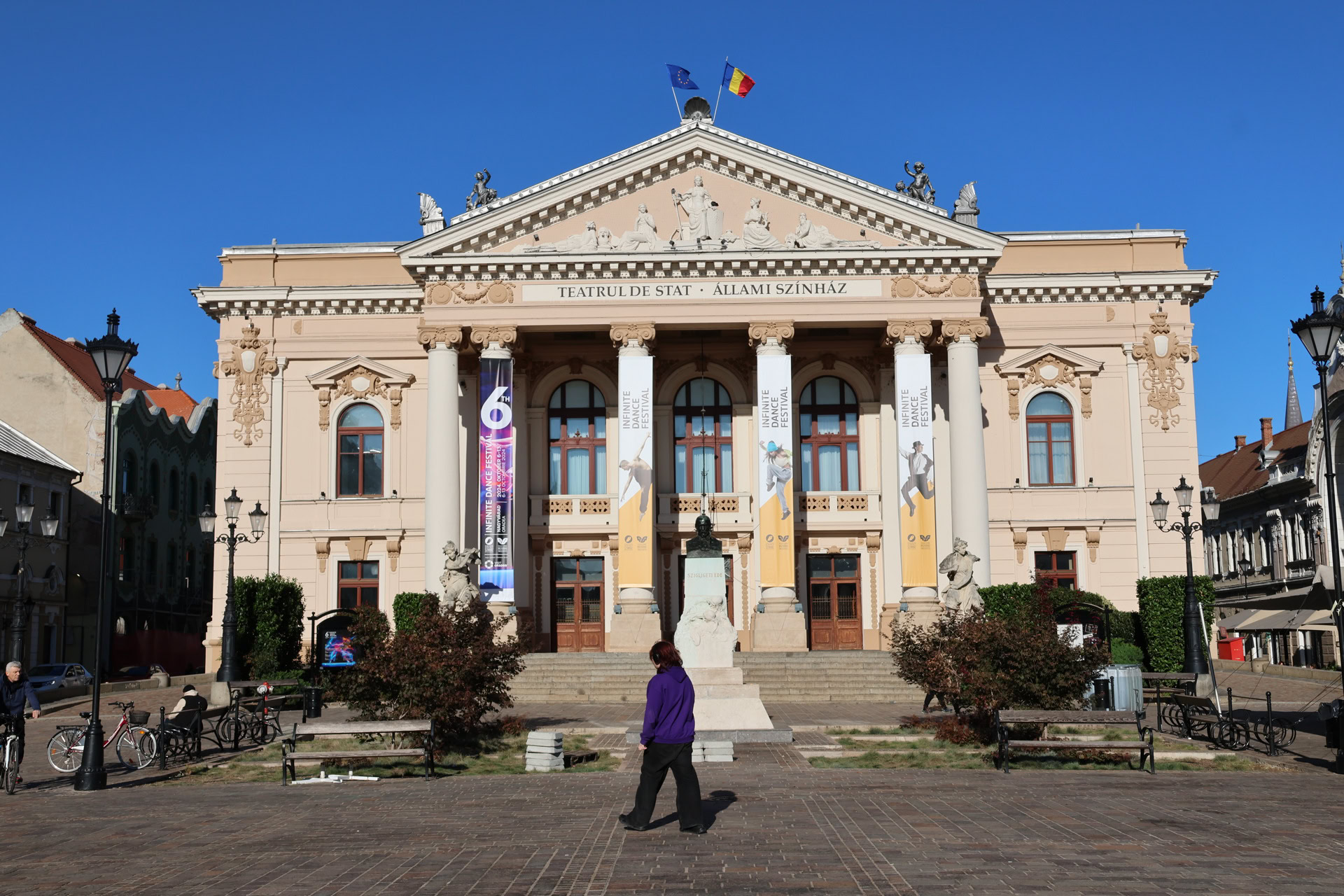
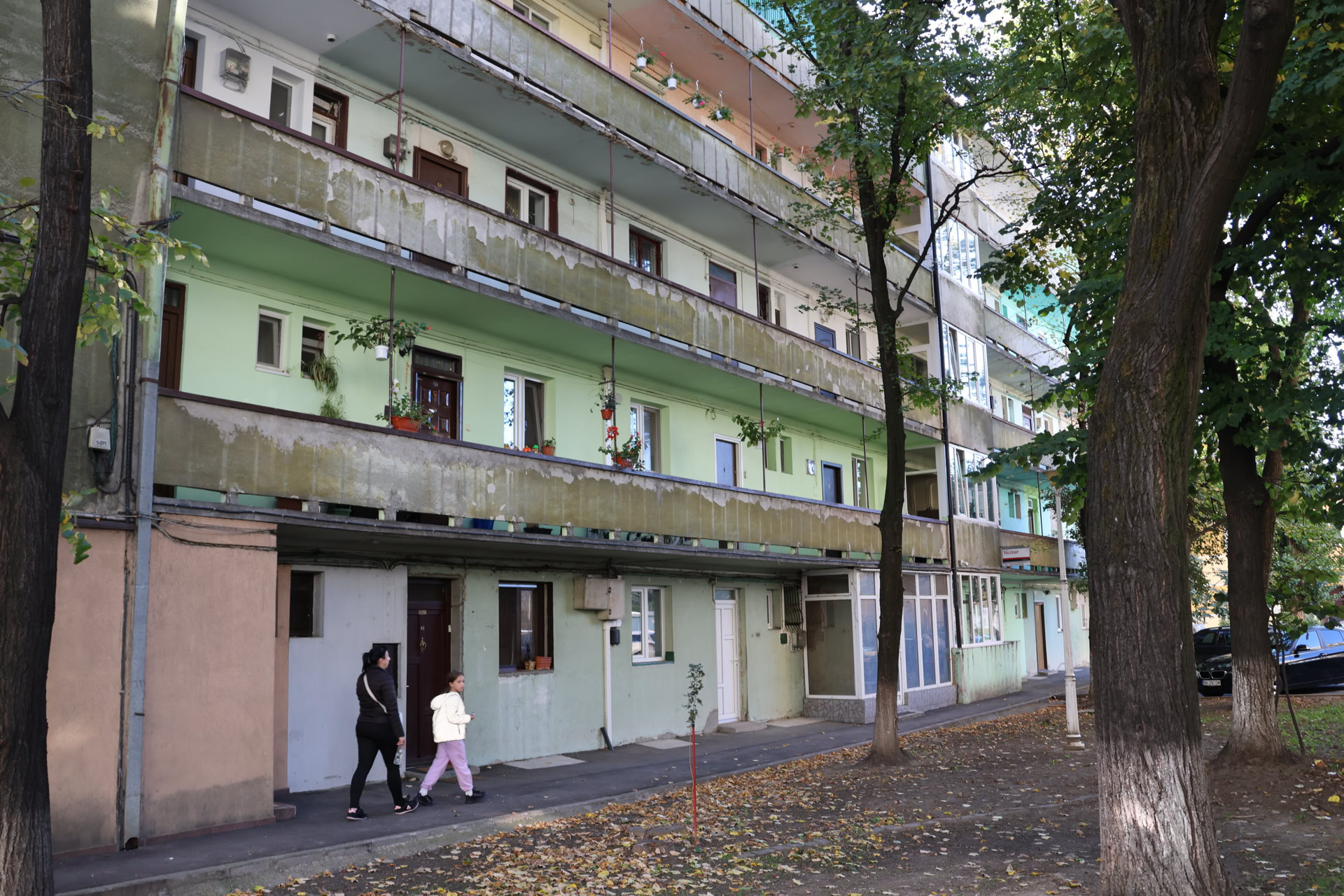
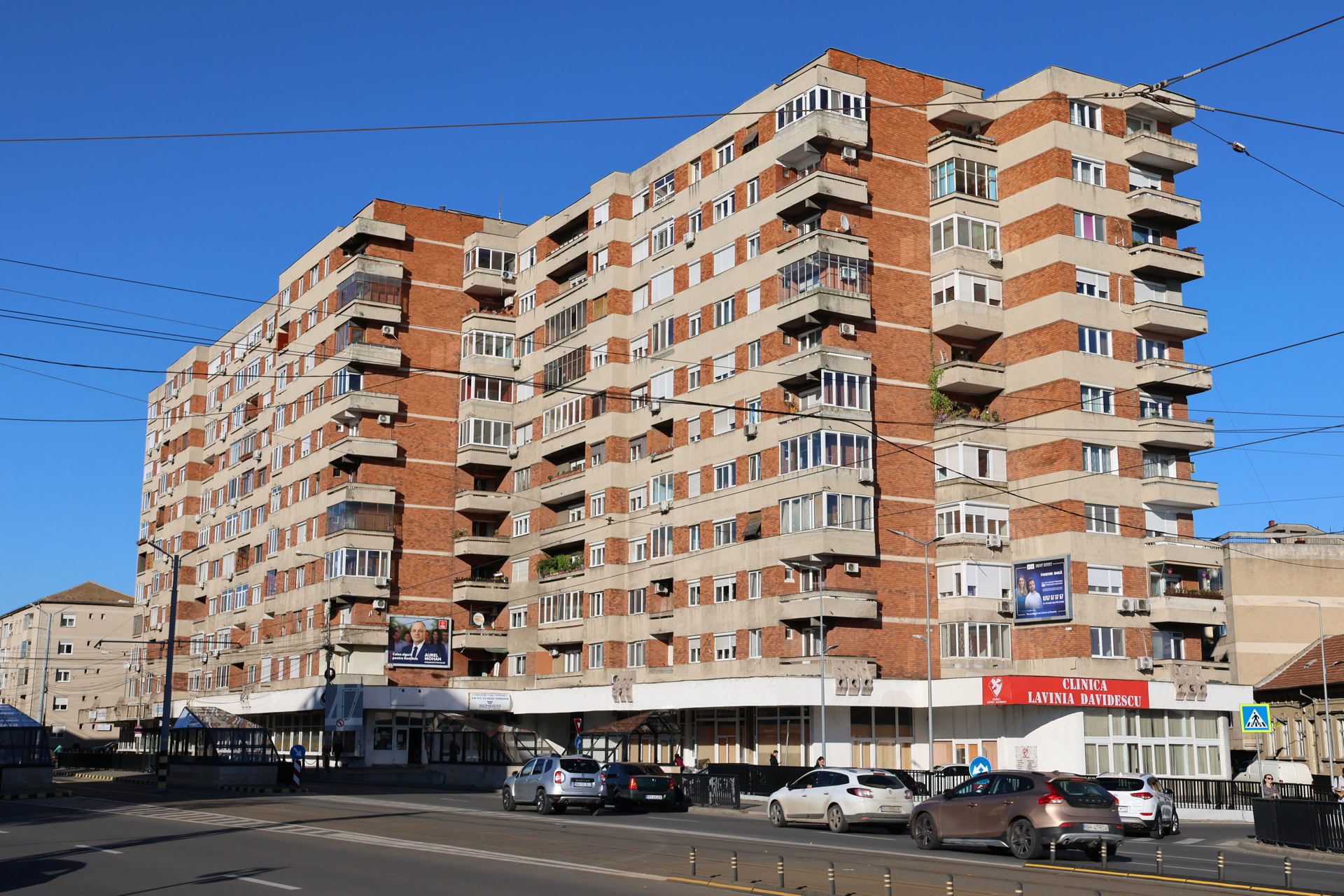
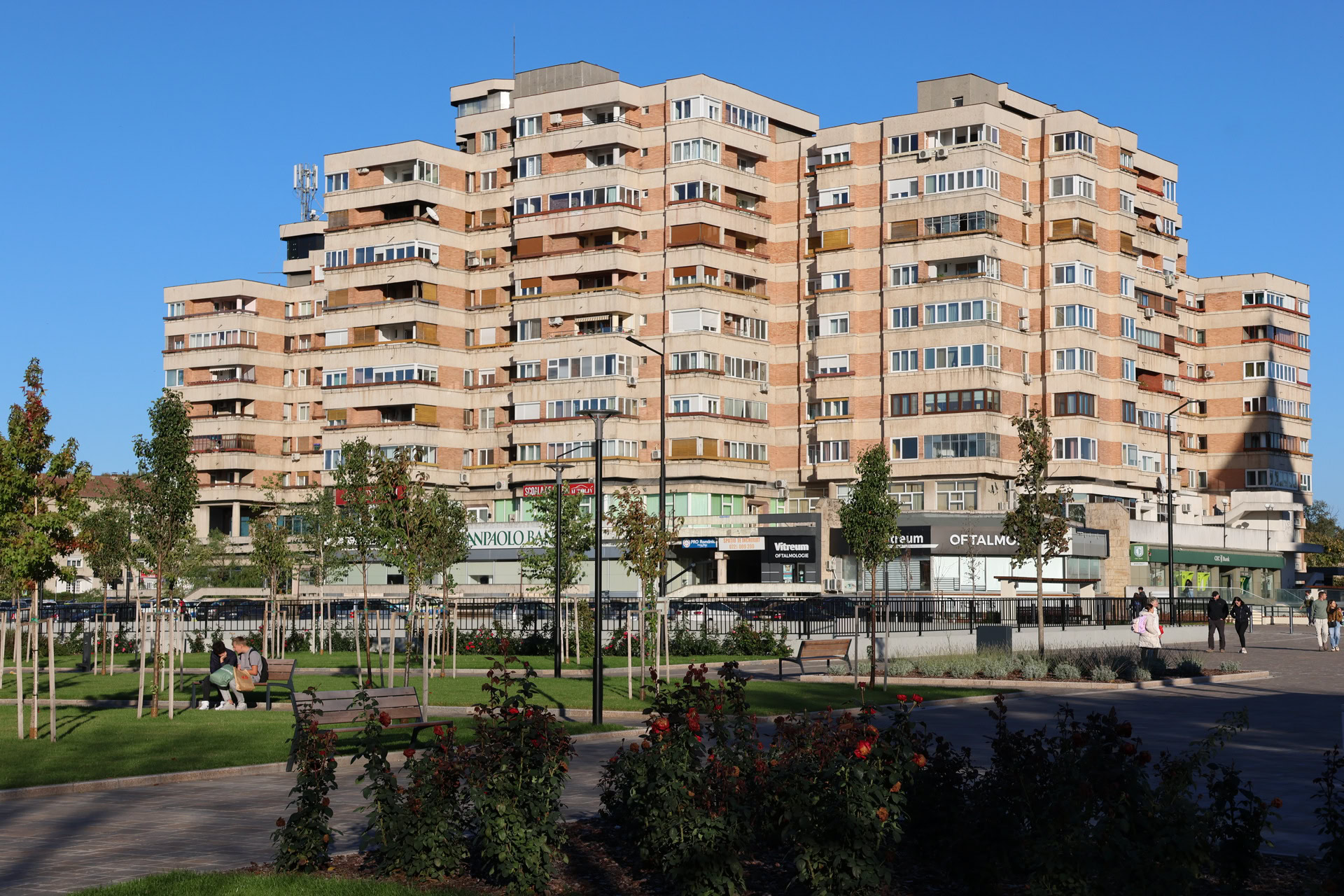
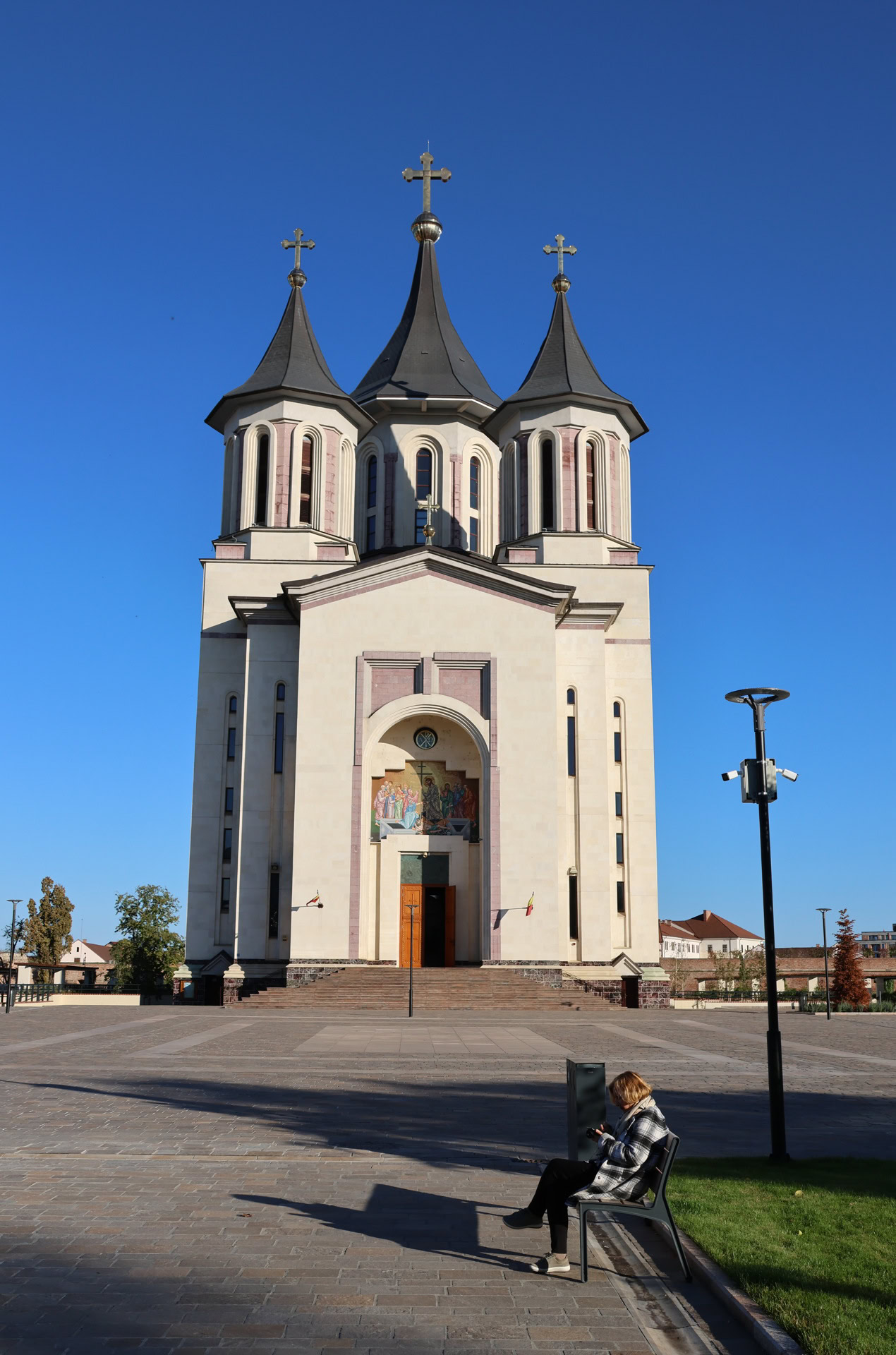
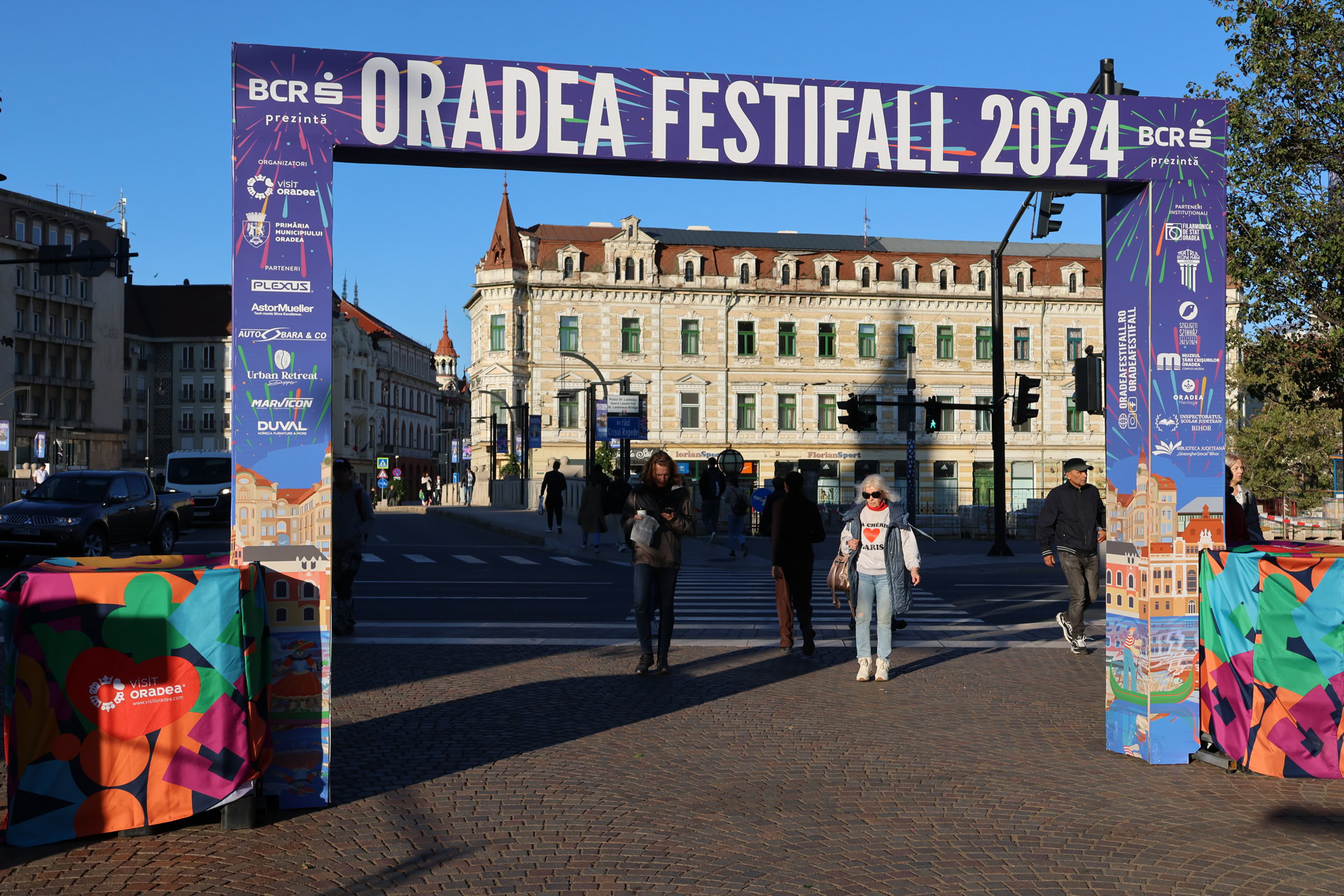
My 5-kilometre walk around Oradea revealed a truly beautiful city. Leaving my hotel, I walked across Theatre Square (opposite my hotel) past the ornate Teatrul Regina Maria, and then walked north-east along Calea Republicii, admiring a wonderful collection of classic buildings on the way. When I reached the major intersection with General Magheru Boulevard, I turned right and headed south, passing some huge Ceauceşcu-era housing blocks to cross the Crişul Repede River and enter Oradea Fortress.
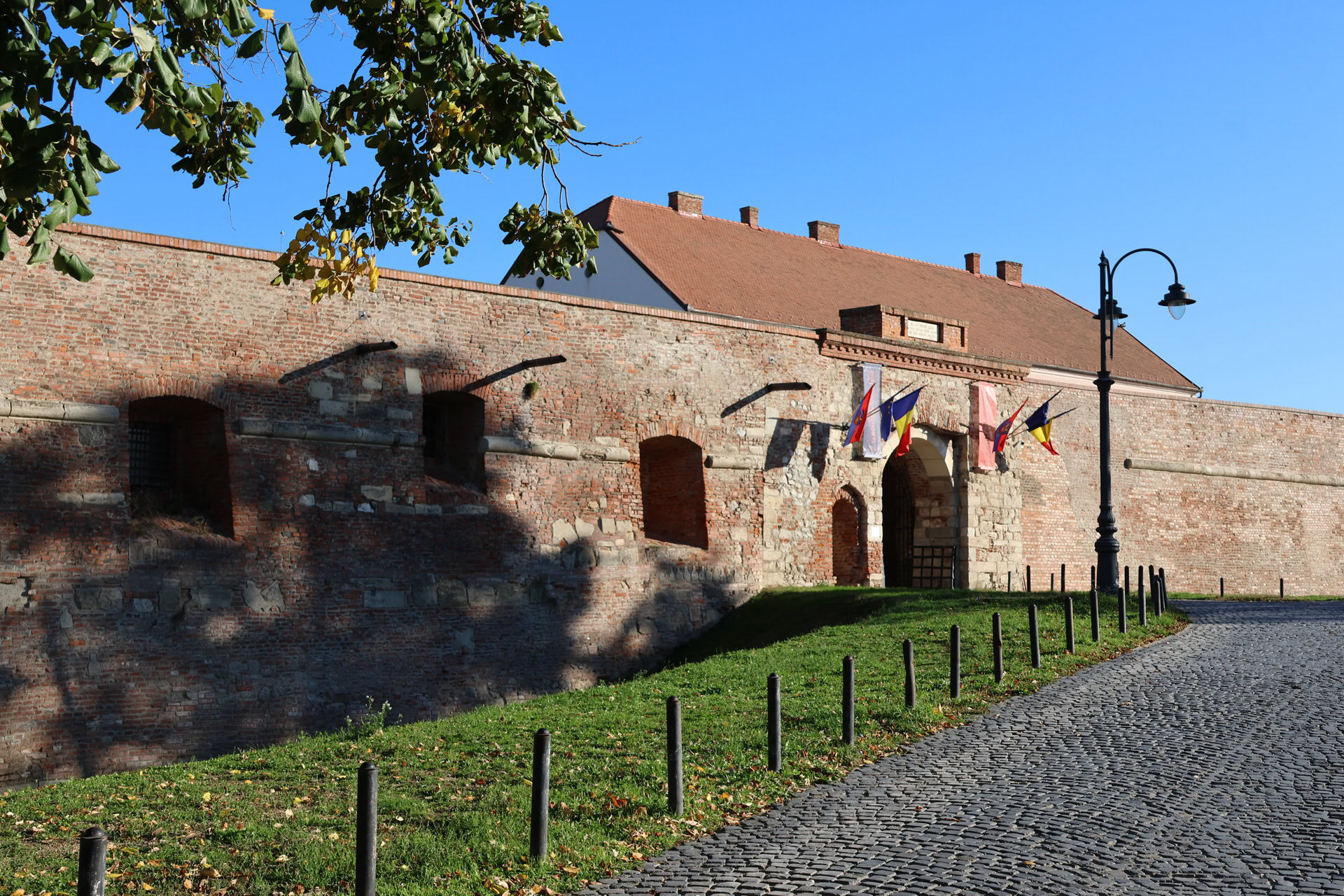
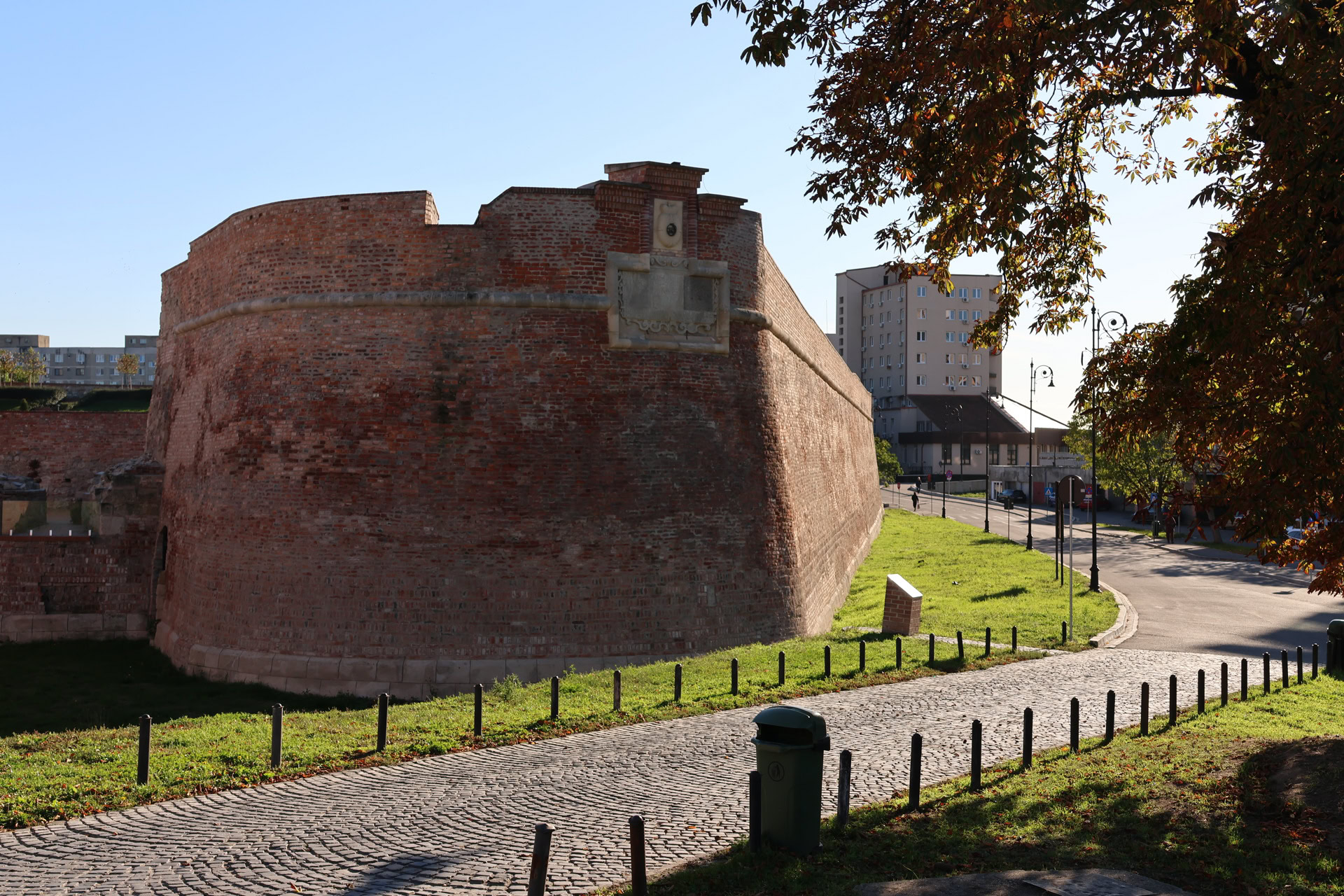
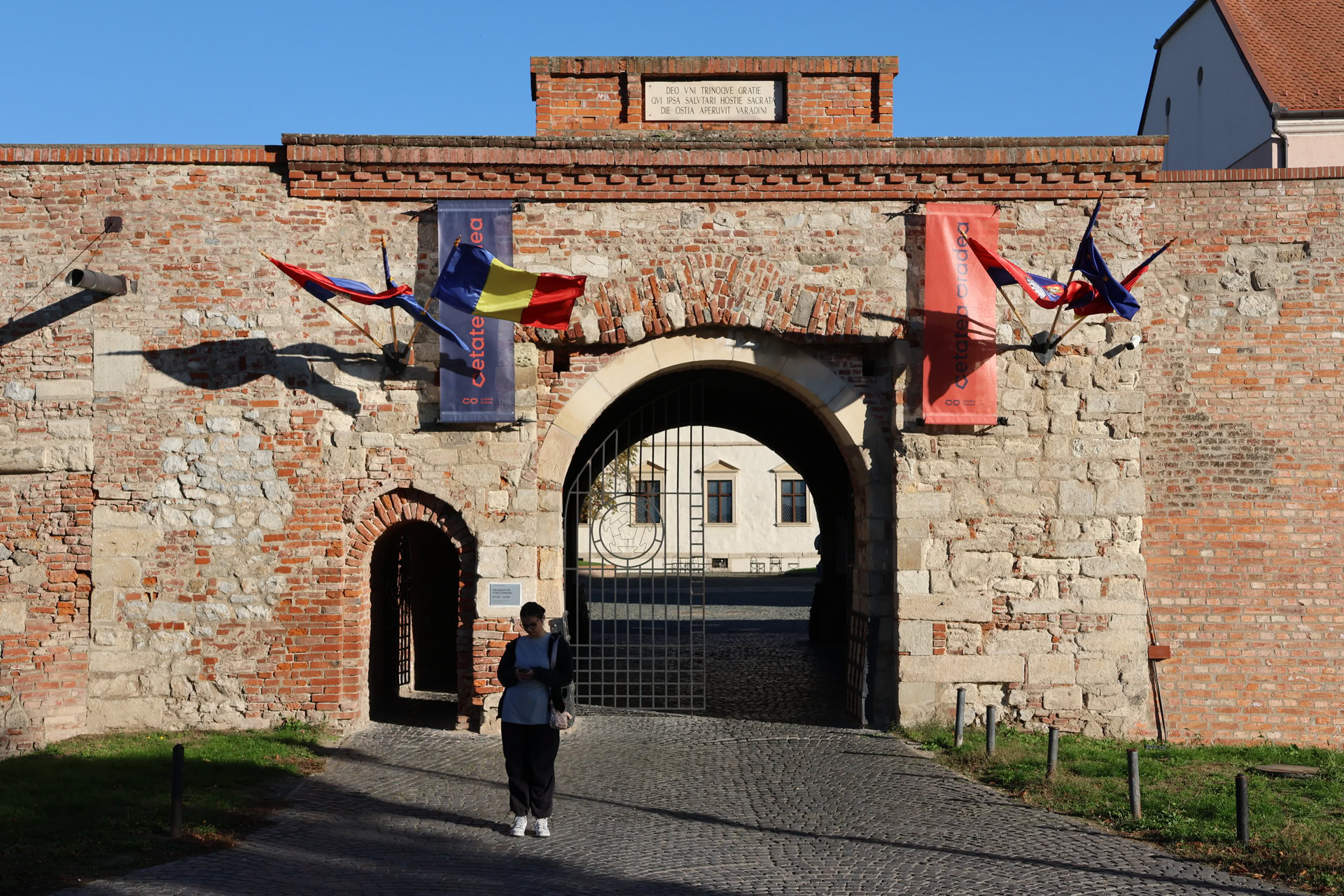
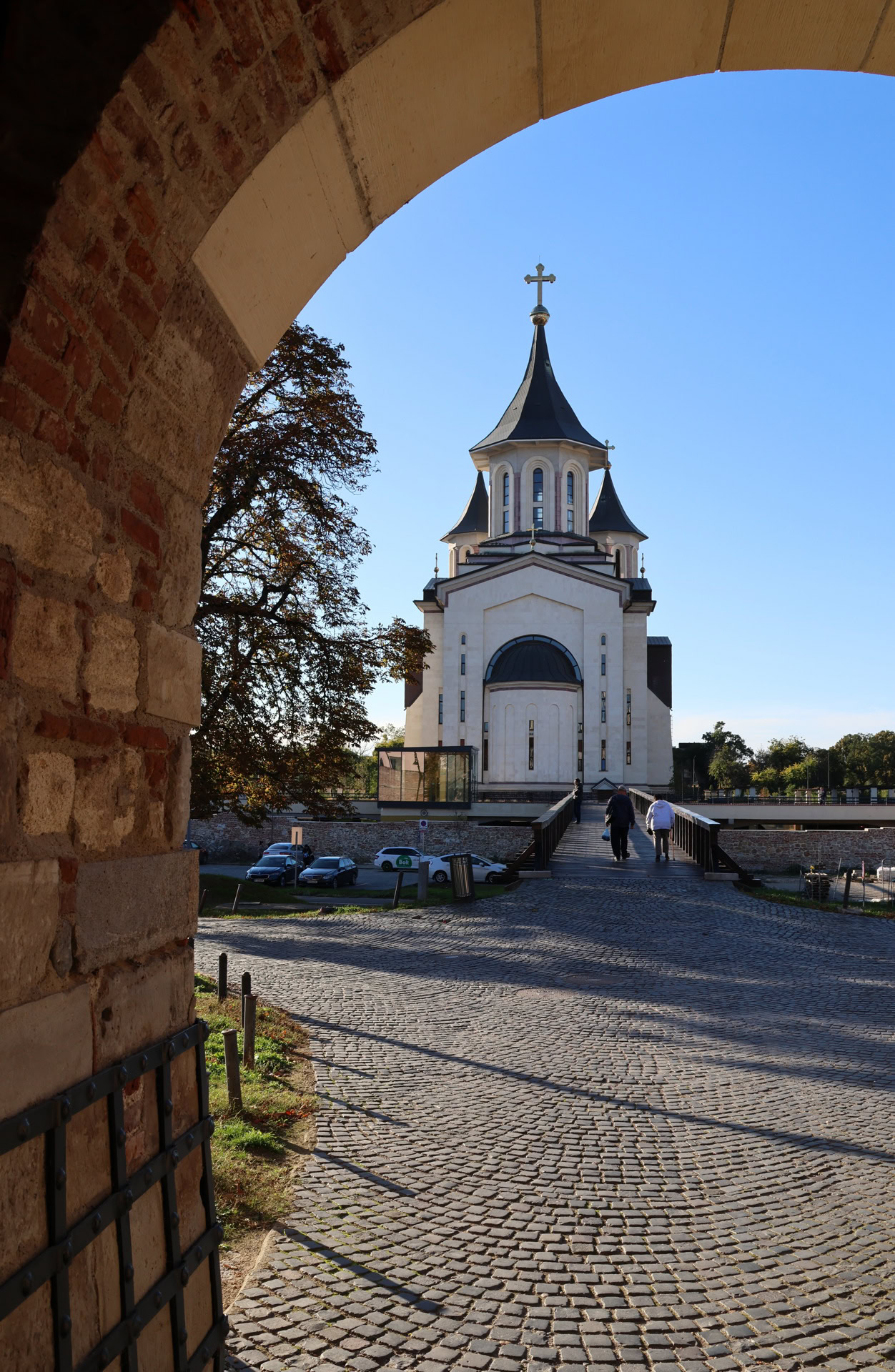
Although a basic fortress had been built on the site in the late 1000s, the present structure dates from a construction period between 1619 and 1650. After a period of restoration, the Fortress was opened to the public in 2015 as a museum. Although the buildings have been beautifully restored, I thought the result was somewhat sterile and bland, with minimal displays and little activity. Nonetheless, fortresses are rare in Romania, and I felt the visit was both worthwhile and – importantly – photogenic.
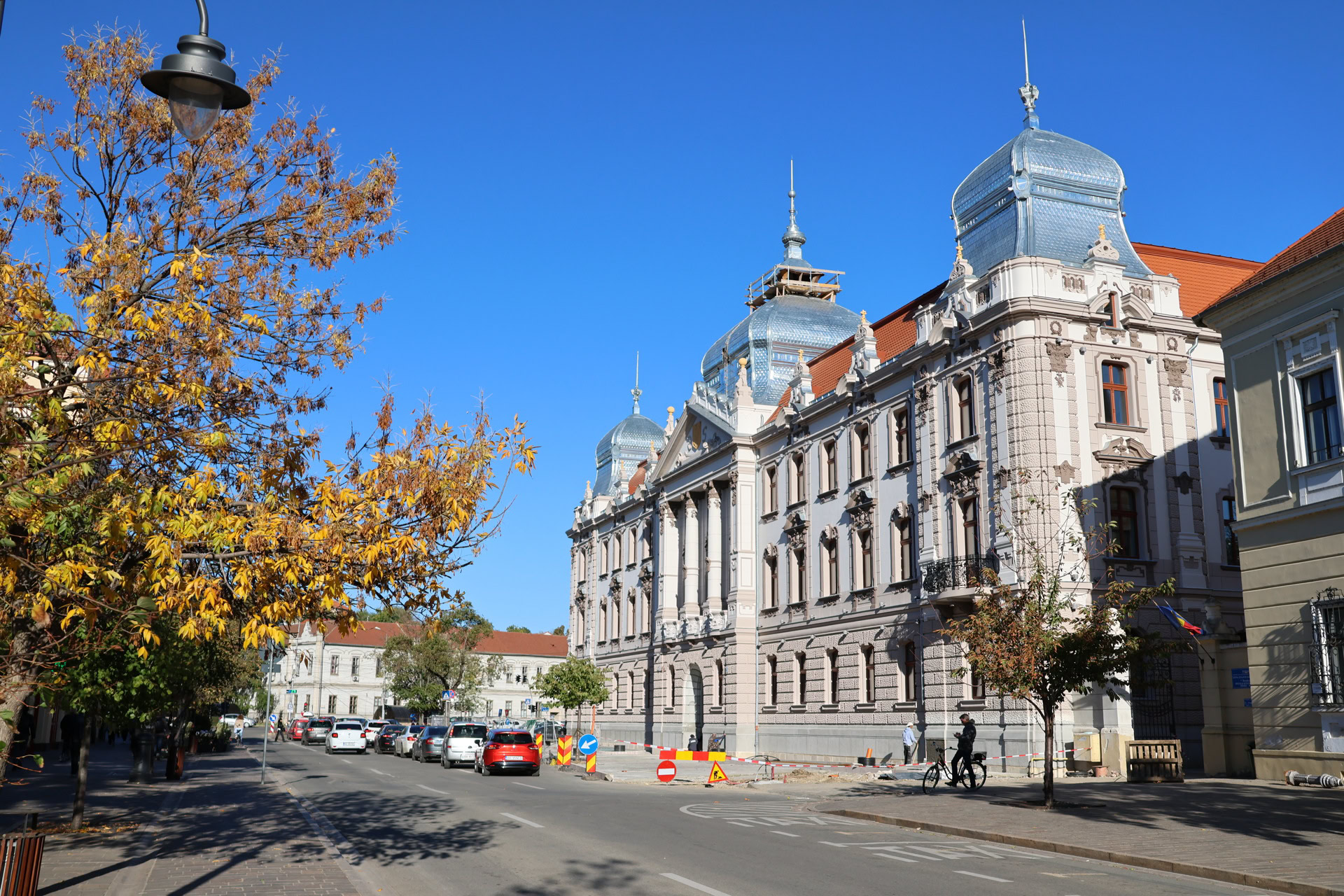
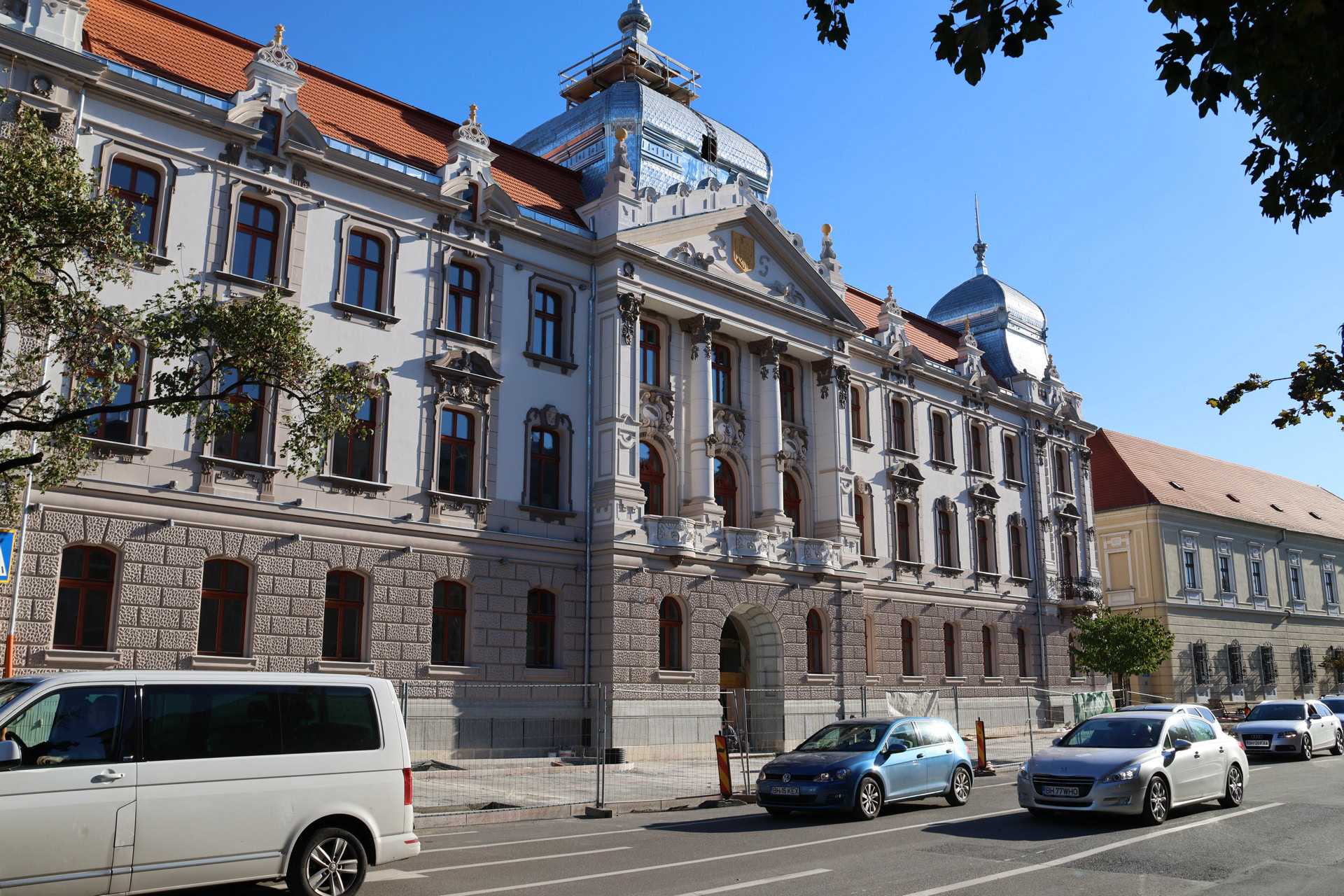
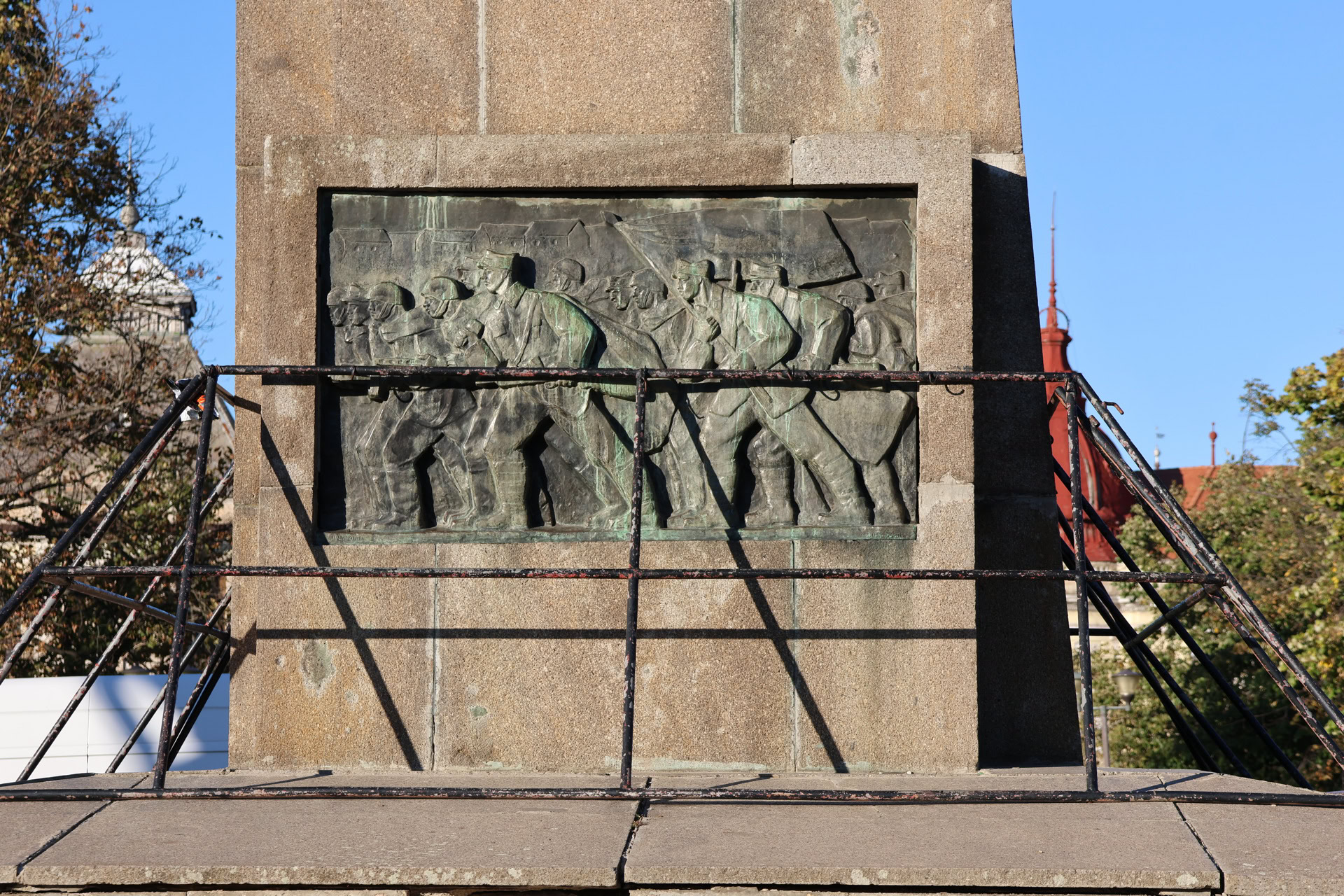
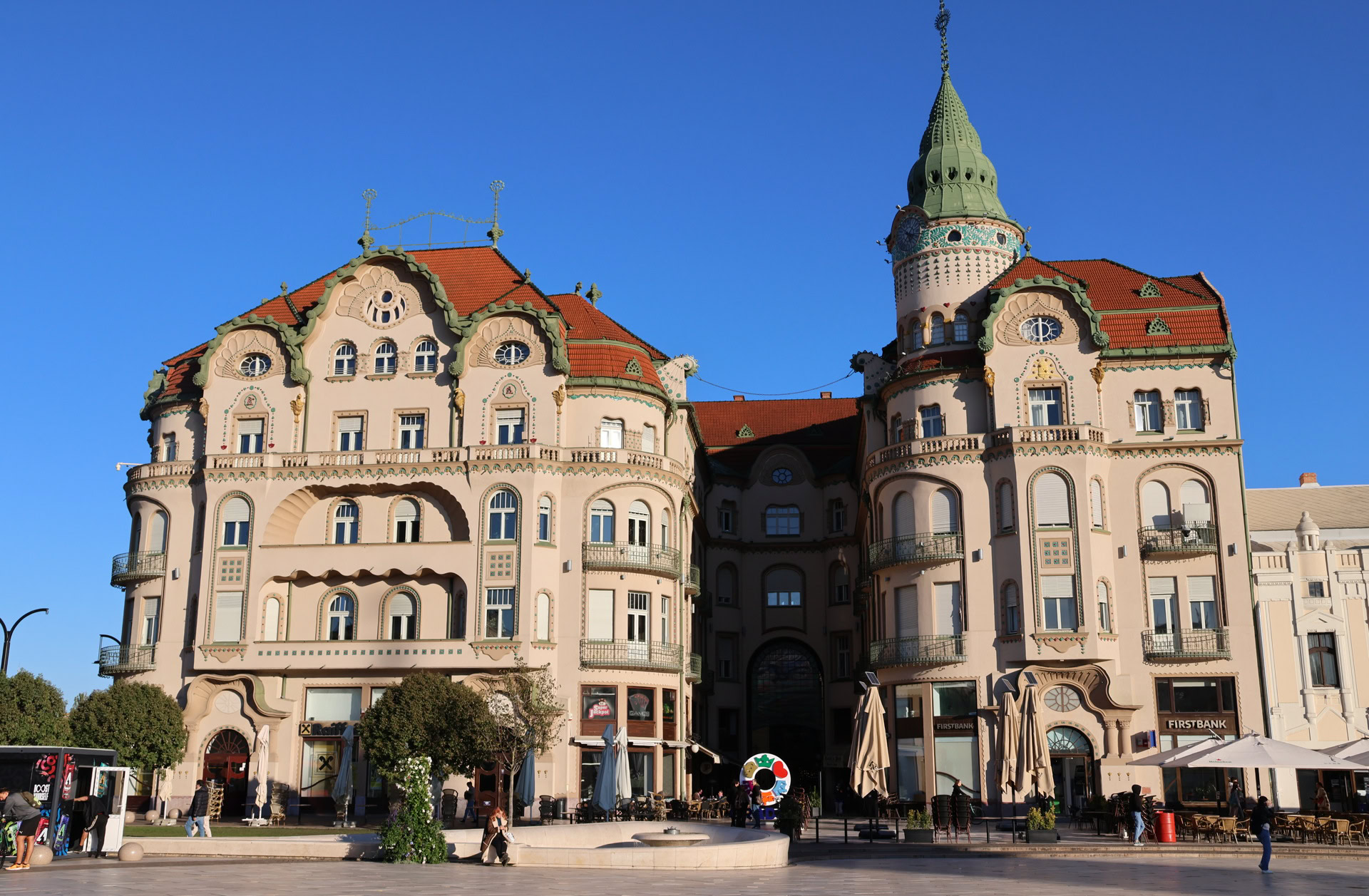
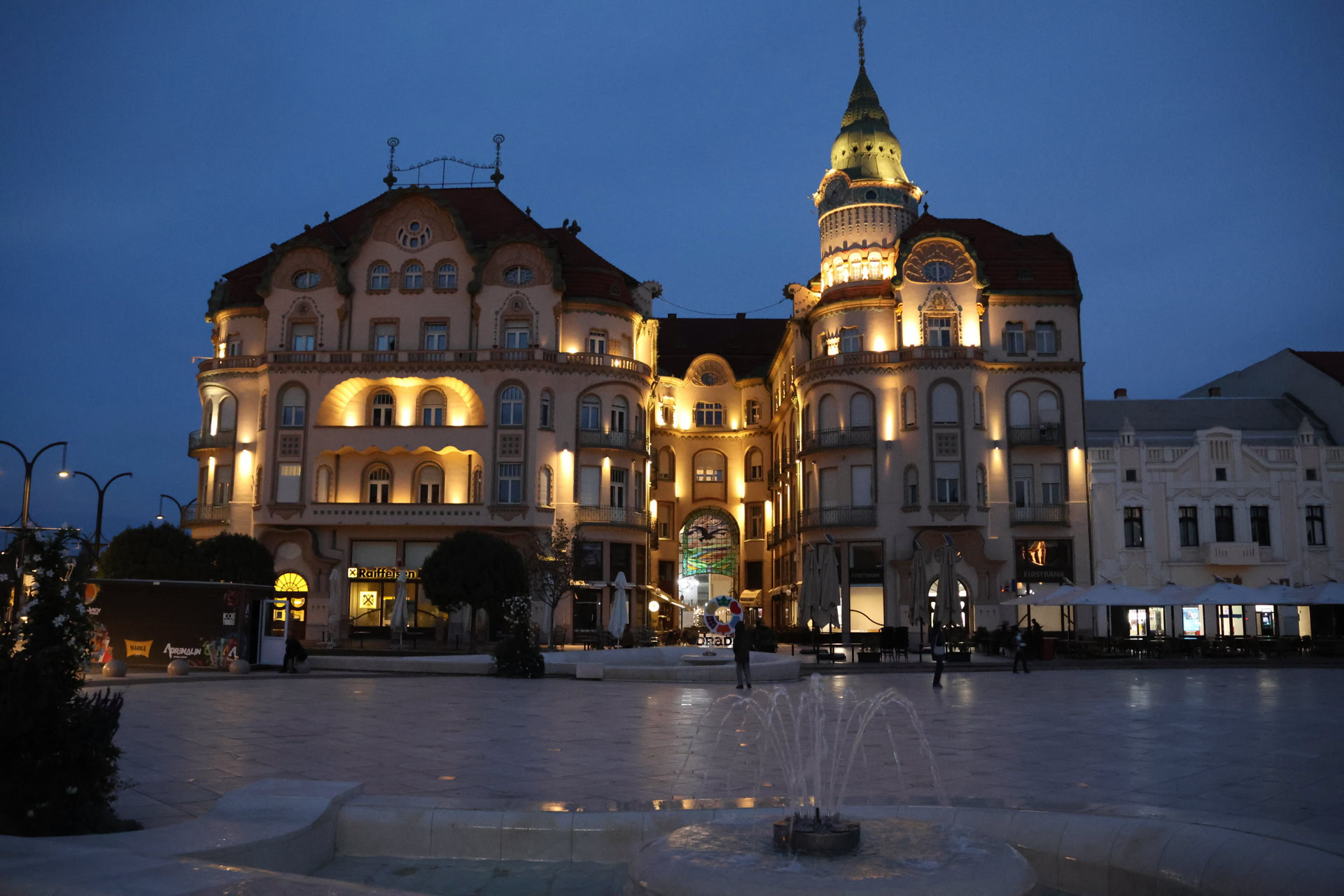
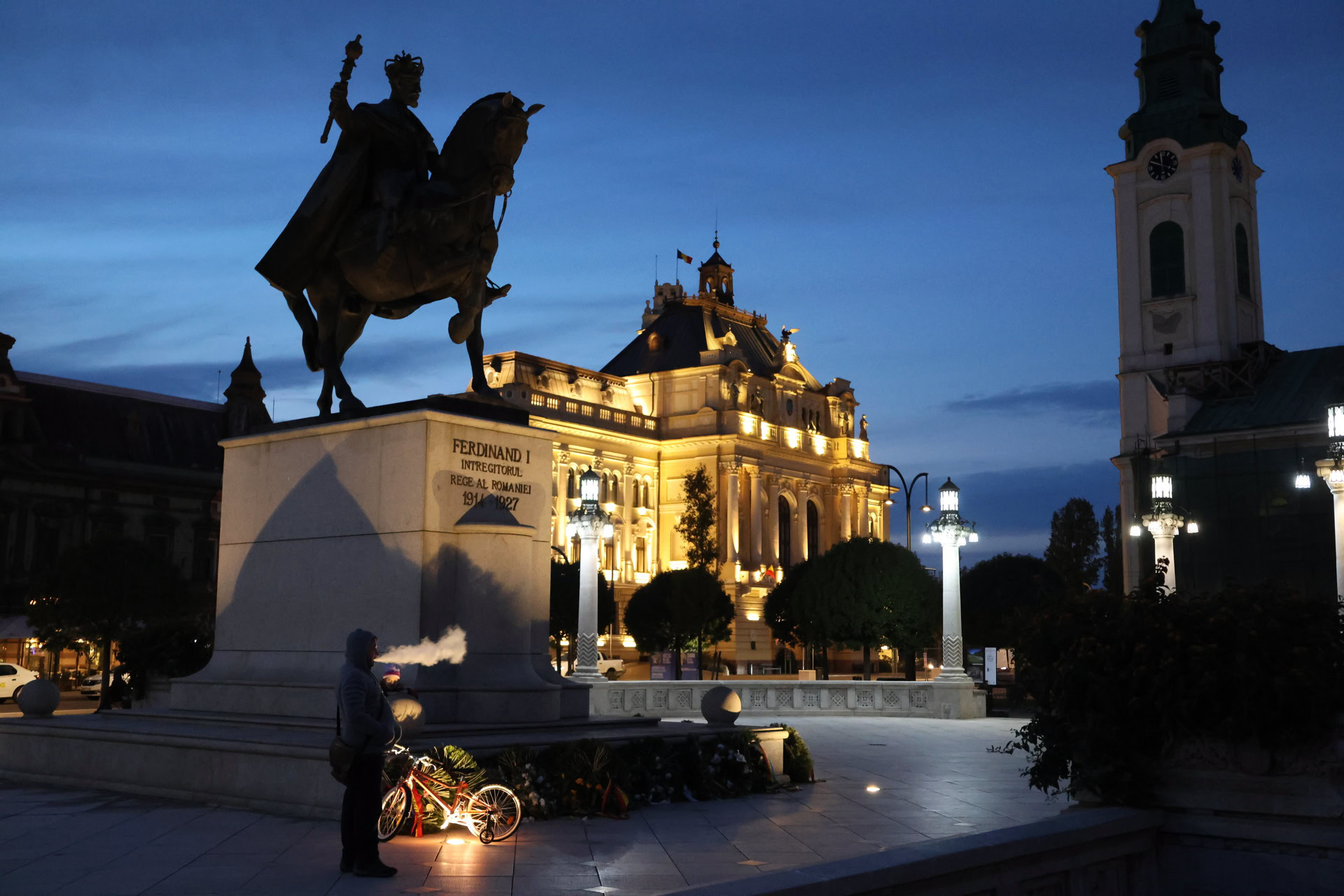
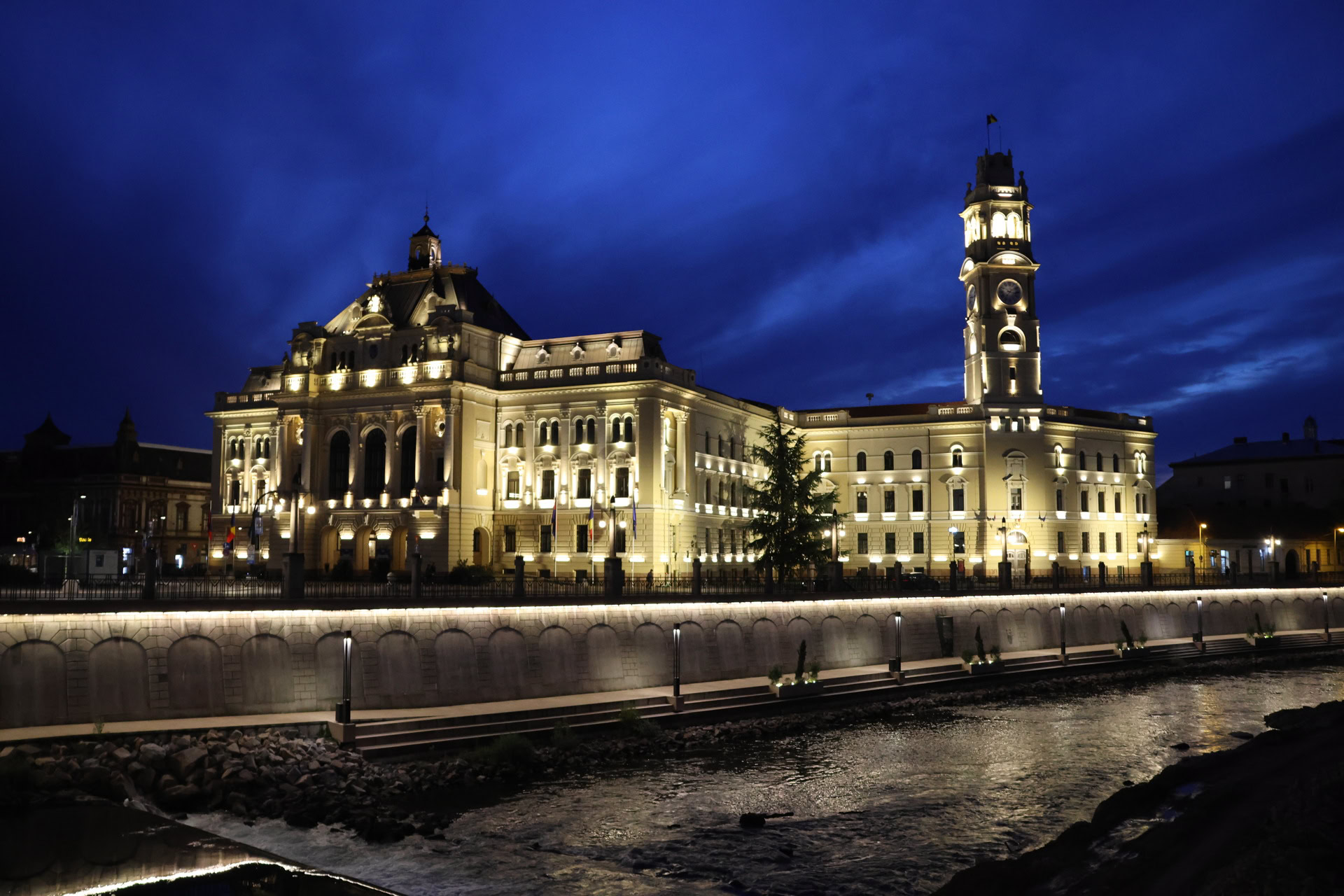
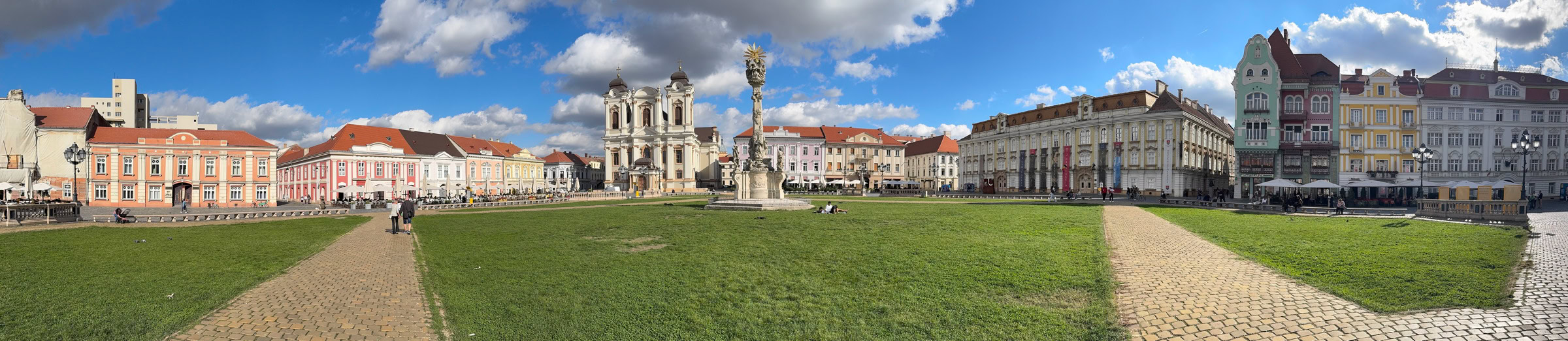
Returning to my hotel from the Fortress, I walked westwards through December 1st Park, then along Strada Mihai Pavel to the large, impressive, open area of Piața Unirii. Piața Unirii contained several imposing monuments and was surrounded by a number of impressive buildings including the Black Eagle Palace and Oradea’s City Hall.
The sun set as I took a short rest in my hotel room. As dusk set in I could see several impressively flood-lit buildings nearby, so I felt compelled to take an evening walk to admire them. This was a shorter walk that focussed on the Teatrul Regina Maria, the Oreadea City Hall and the Black Eagle Palace. It was perfect end to a long day and an excellent introduction to western Romania.