Levoča to Košice
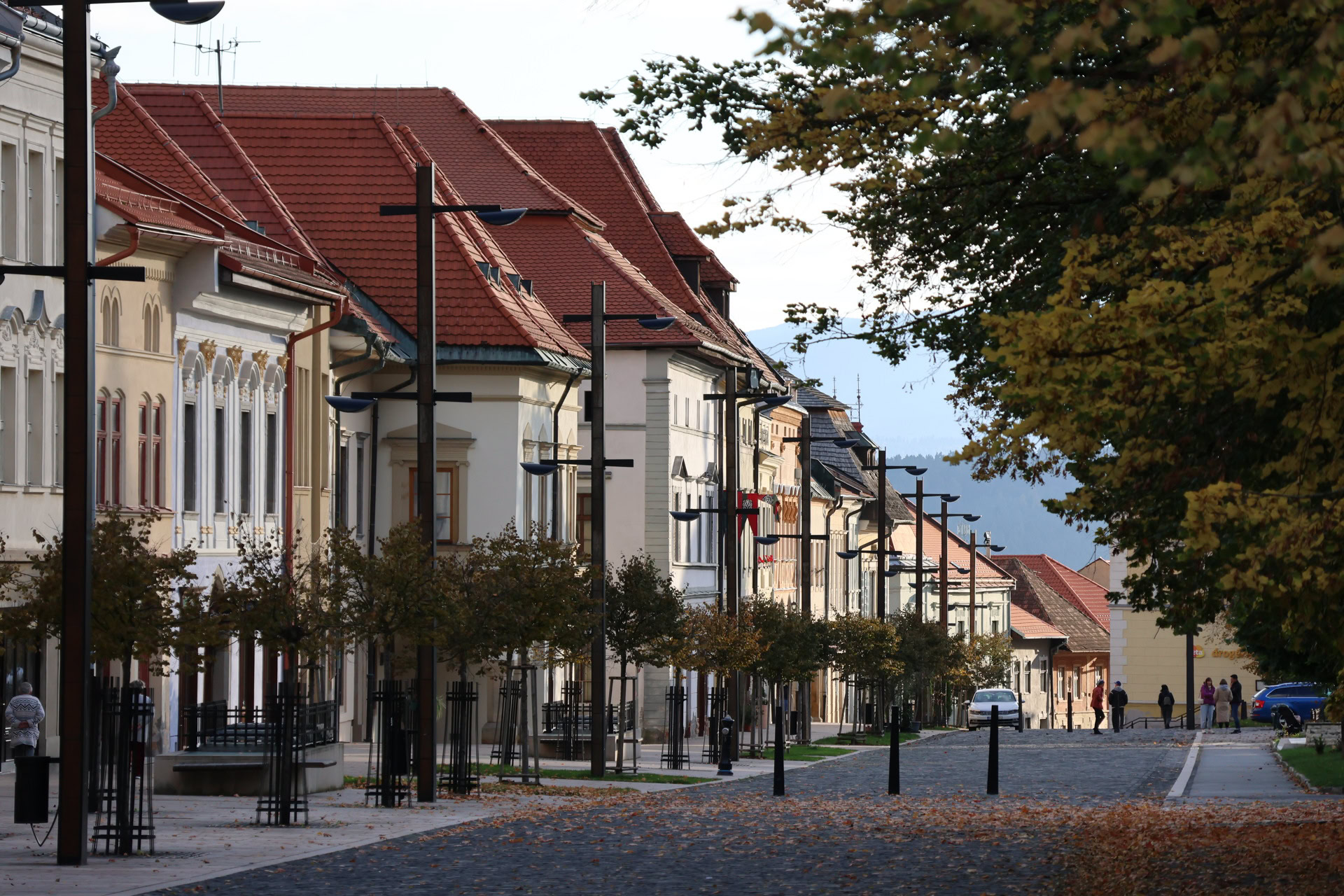
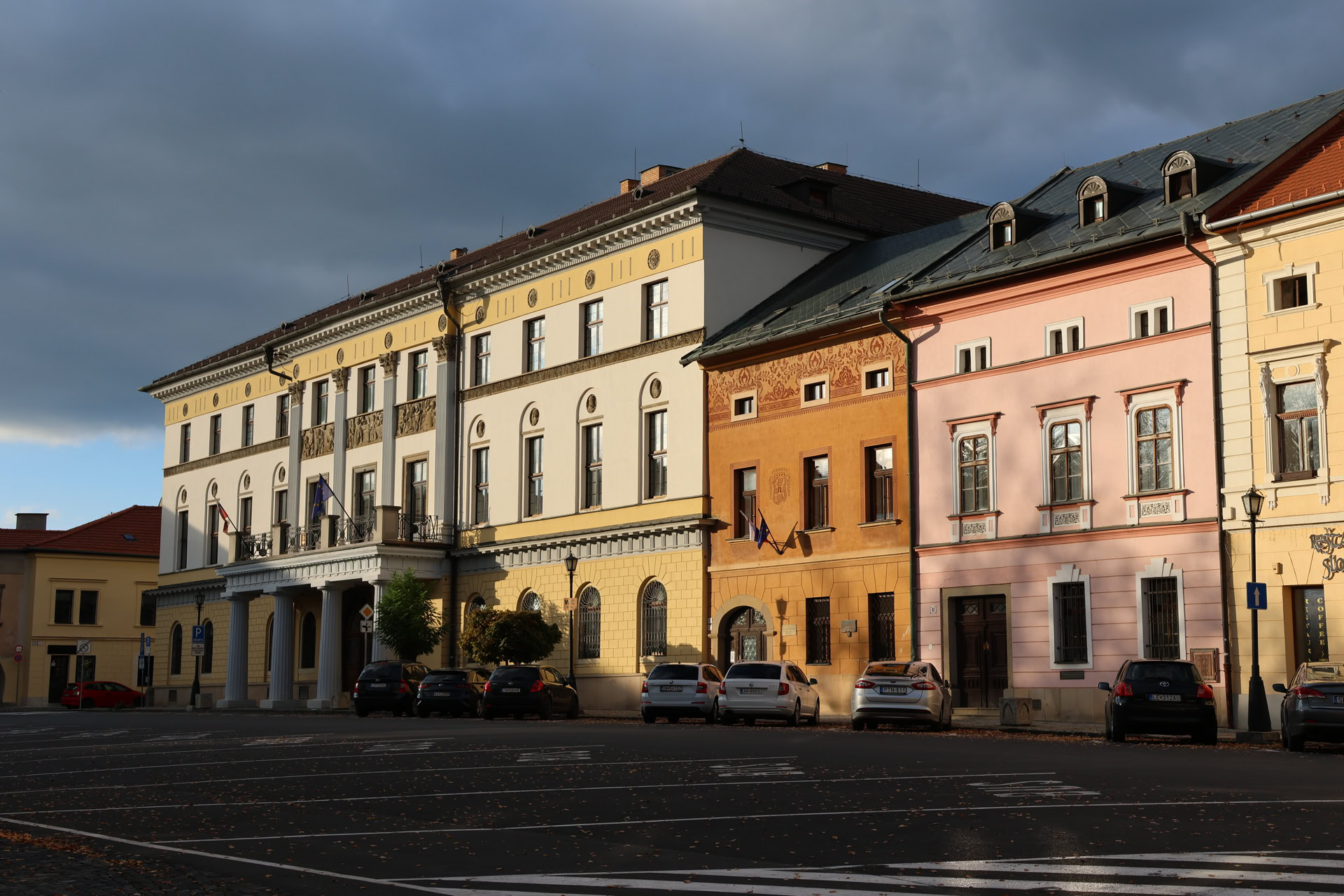
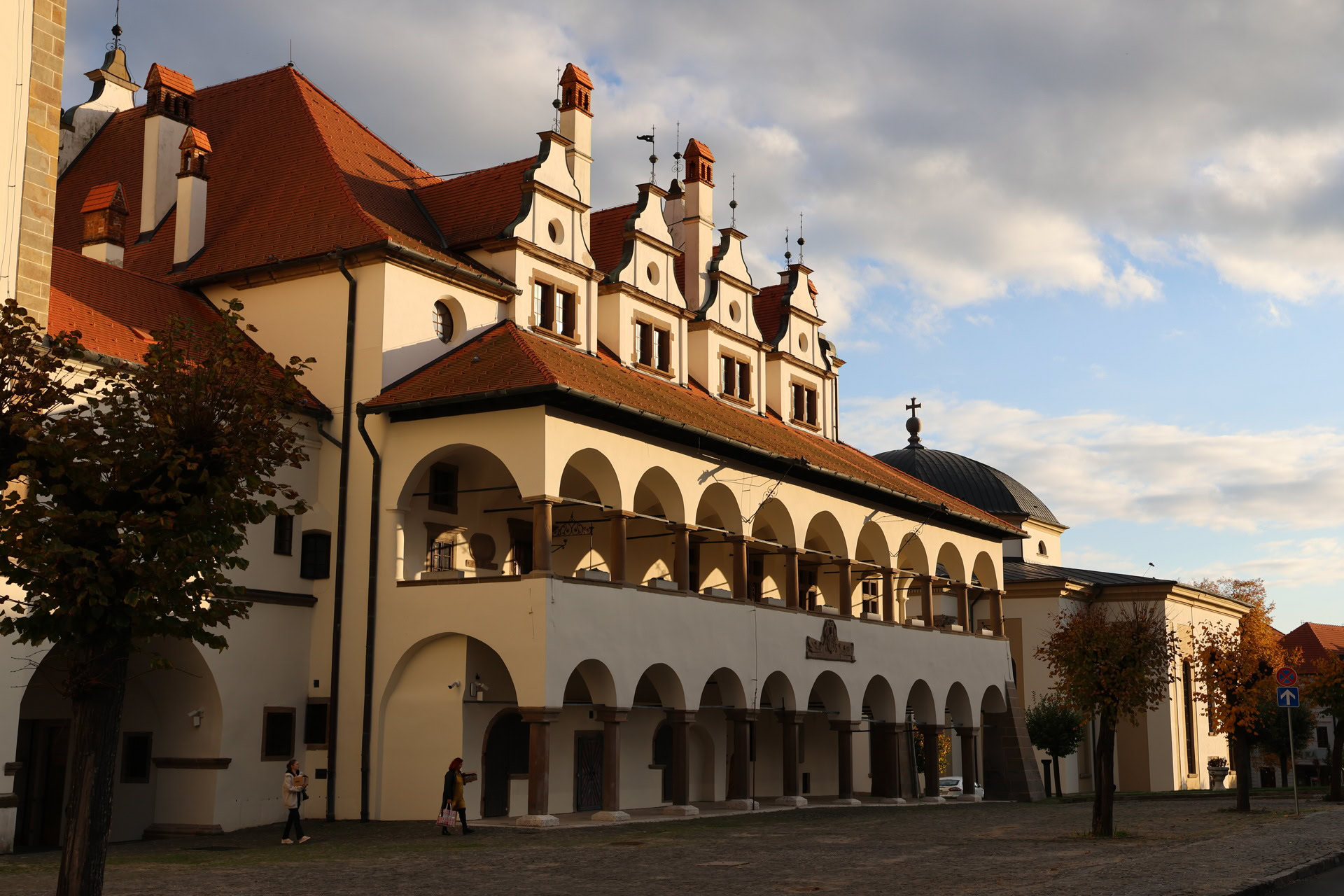
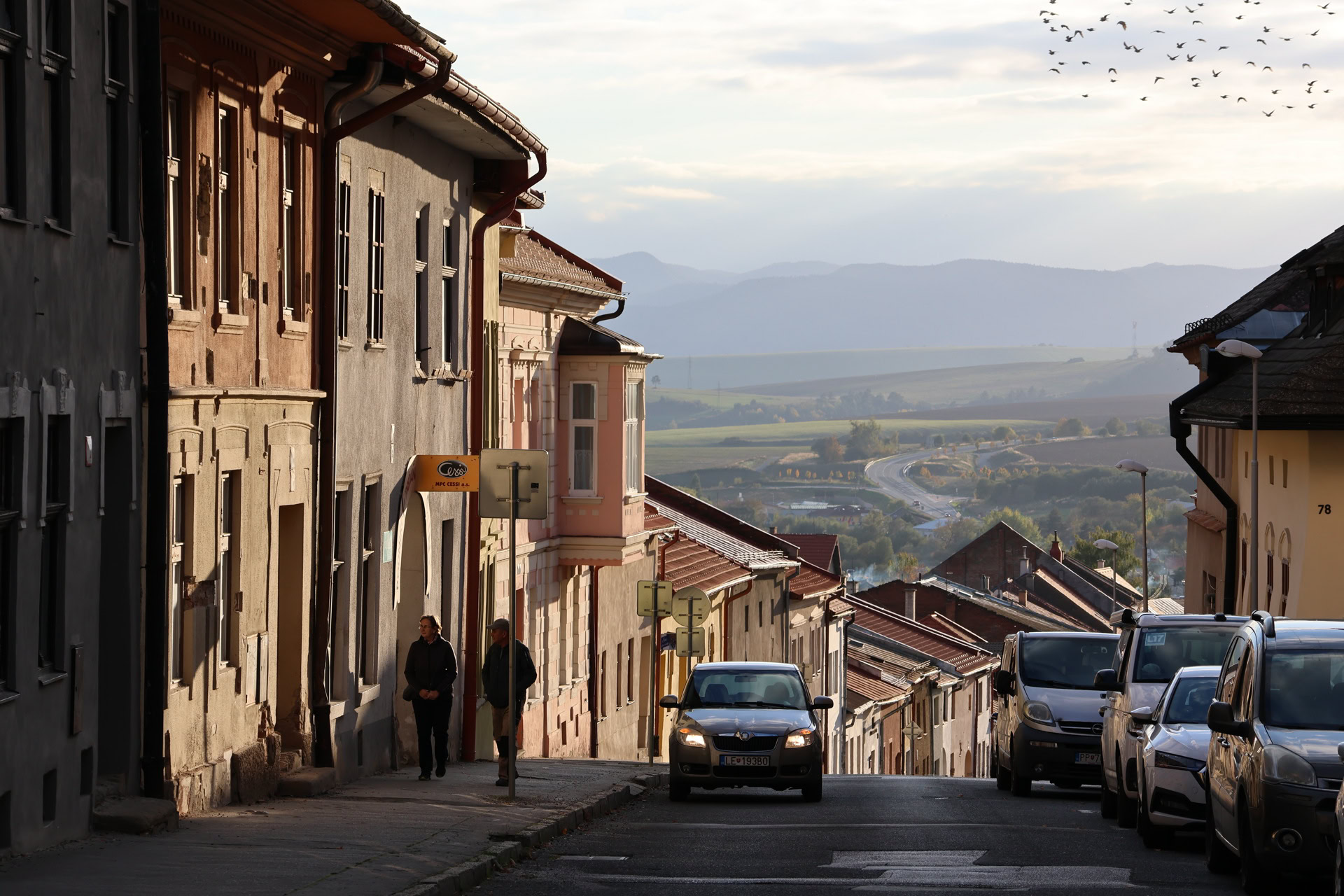
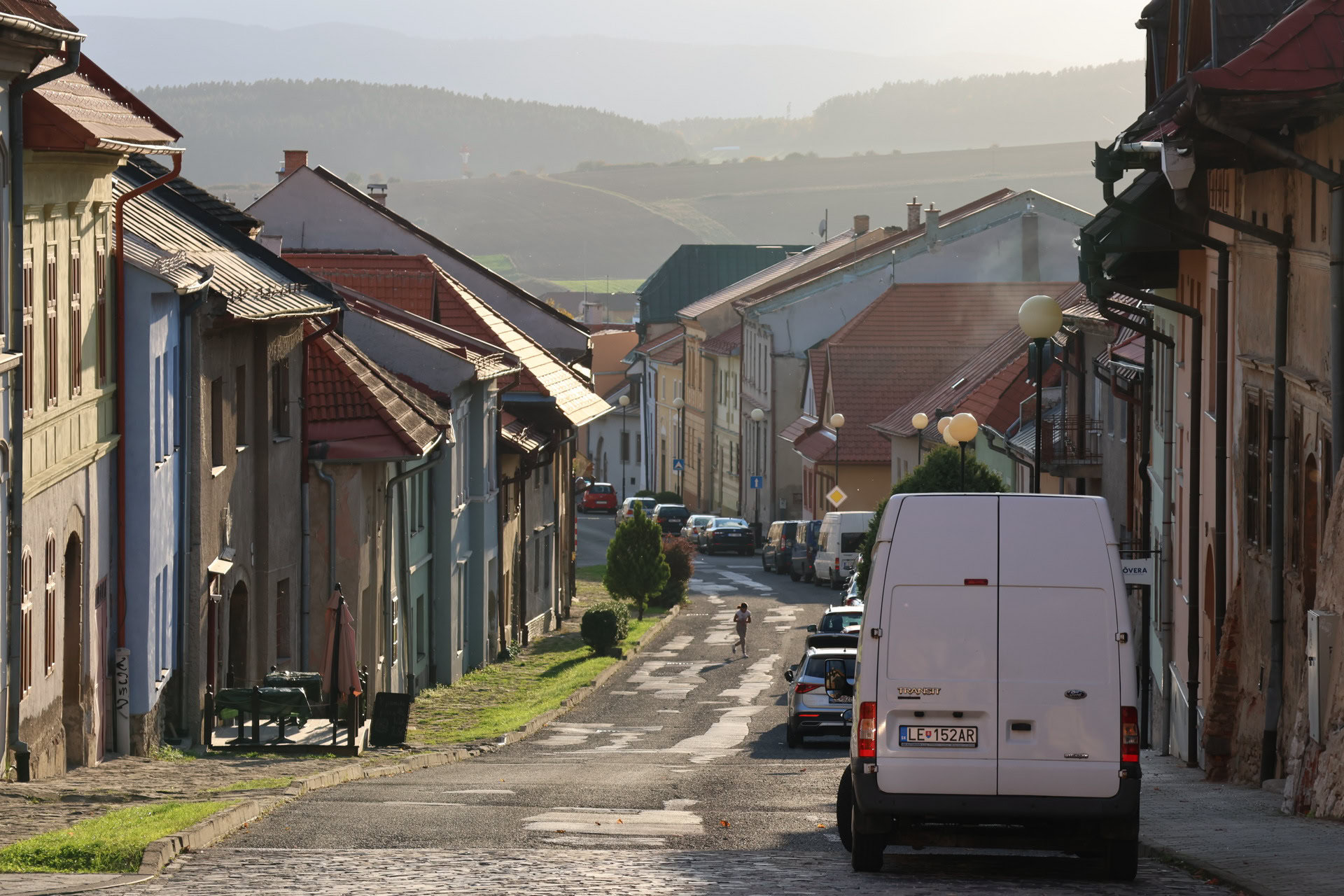
With no breakfast to distract me, I decided to take another walk around Levoča in the morning light of a quiet Sunday morning. The town looked even prettier than it had done the previous afternoon, and it was (slightly) more lively as local people drove into town to attend morning mass in the town’s church, the Basilica of St James.
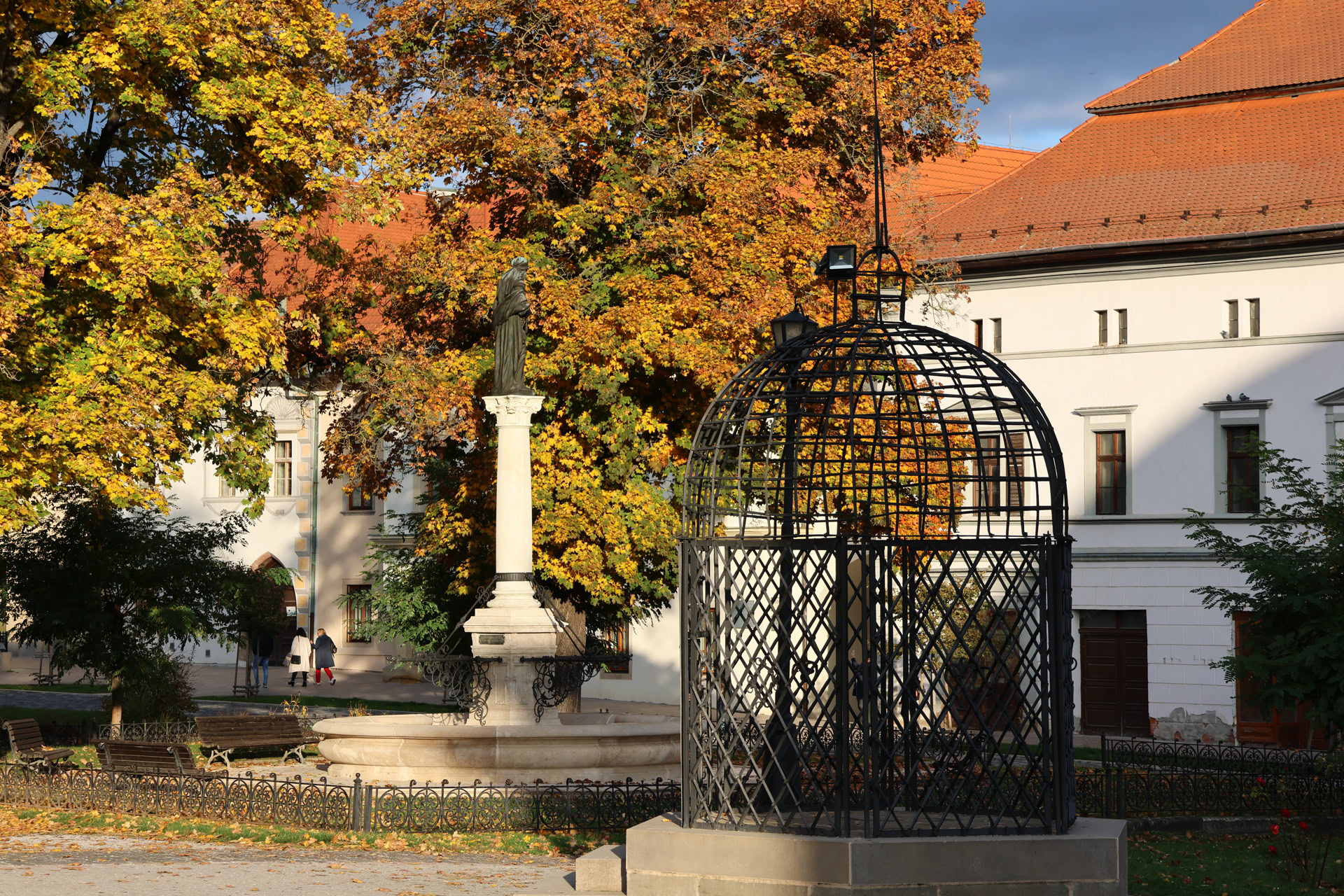
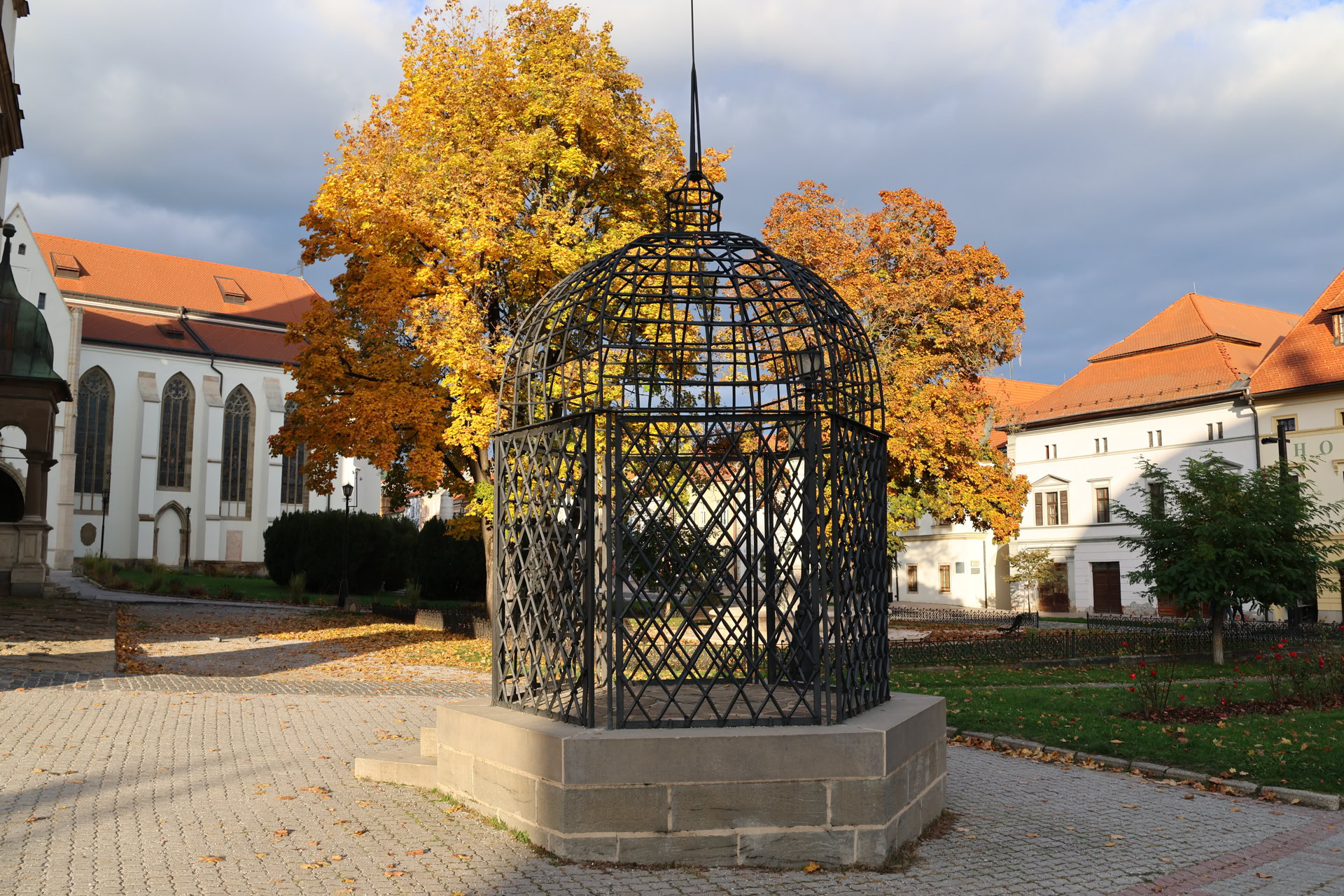
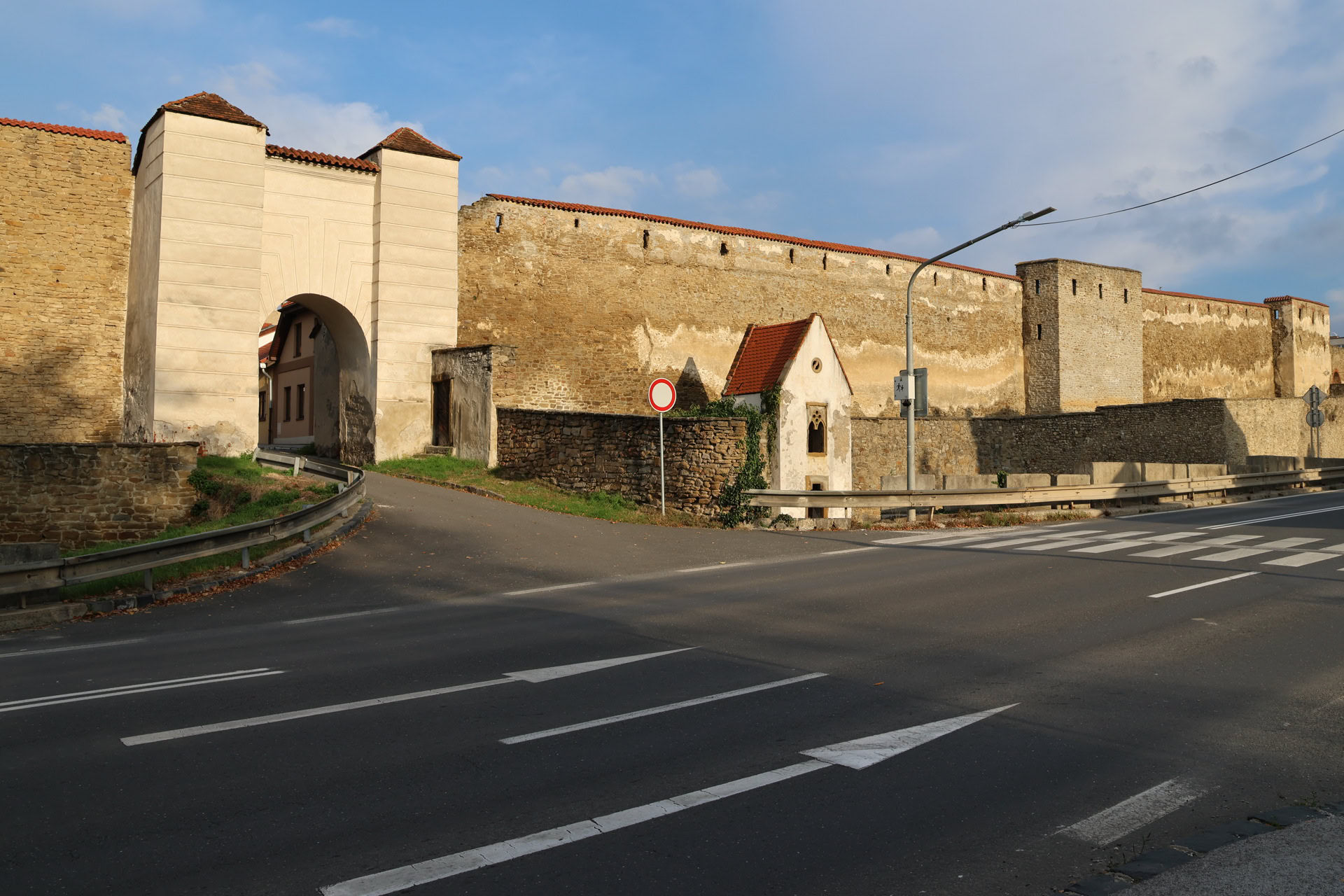
The quiet town centre looked fabulous in the morning light. I was able to notice features I had only skirted around the previous afternoon – the historic town hall opposite my accommodation, the Evangelical Church, the museum (closed), the supermarket (closed), the city walls, and perhaps most disturbing of all, the Cage of Shame outside the old Town Hall, which was a large wrought-iron cage shaped like a bird cage but large enough to fit a human or two. It was used in earlier centuries to reform (or shame?) miscreants who had been found guilty of wrongdoings such as public drunkedness, cheating on their spouse, excessive gossiping or staying out too late. They were placed in the cage for a few days during which other townsfolk could pelt them with rotten vegetables or rocks, or they could simply spit on them as they walked by. The cage was used especially on market days when crowds were larger. I thought a nice touch was the small metal heart worked into the design of the door which was designed to welcome the new delinquent with the thought “this is for your own good”.
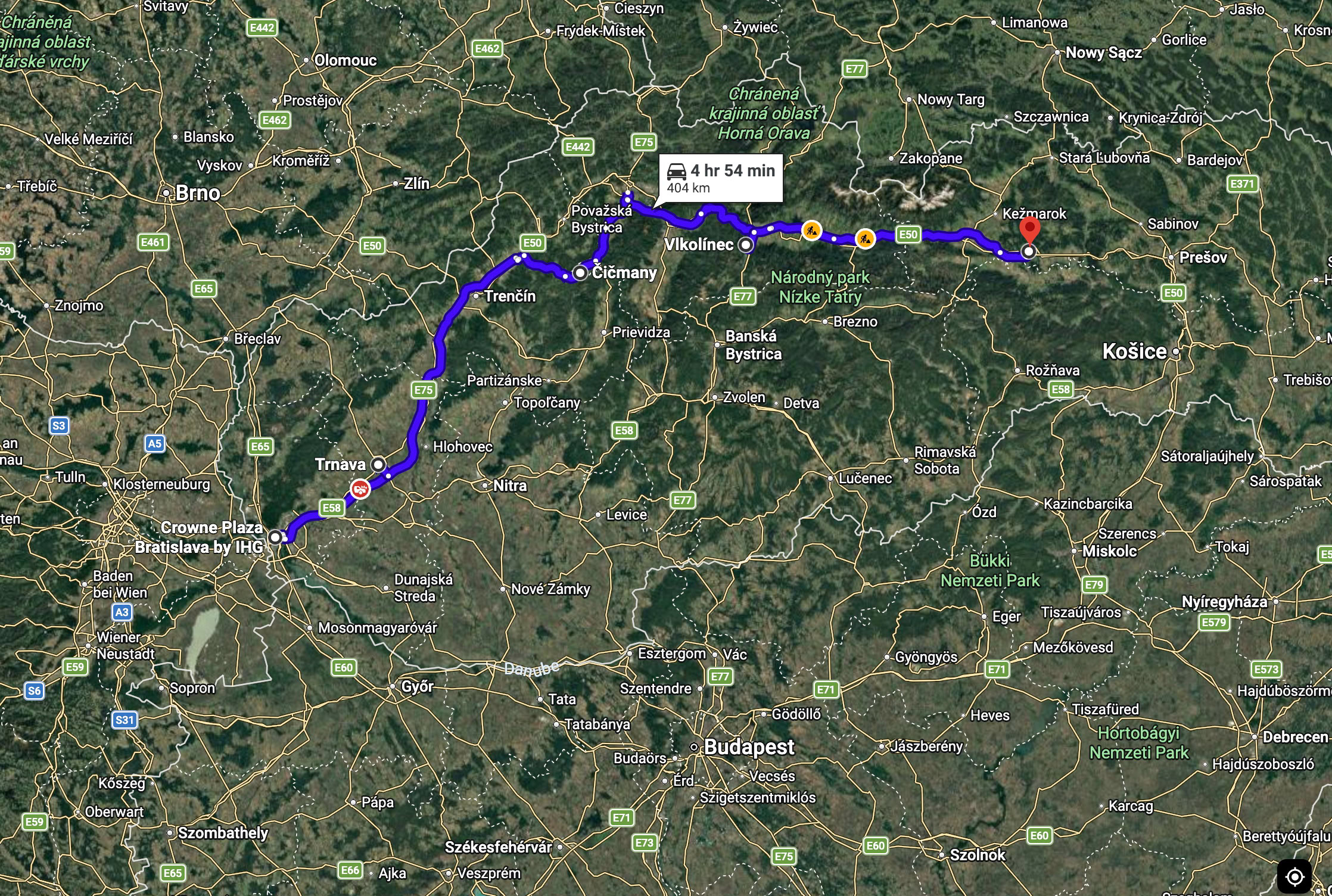
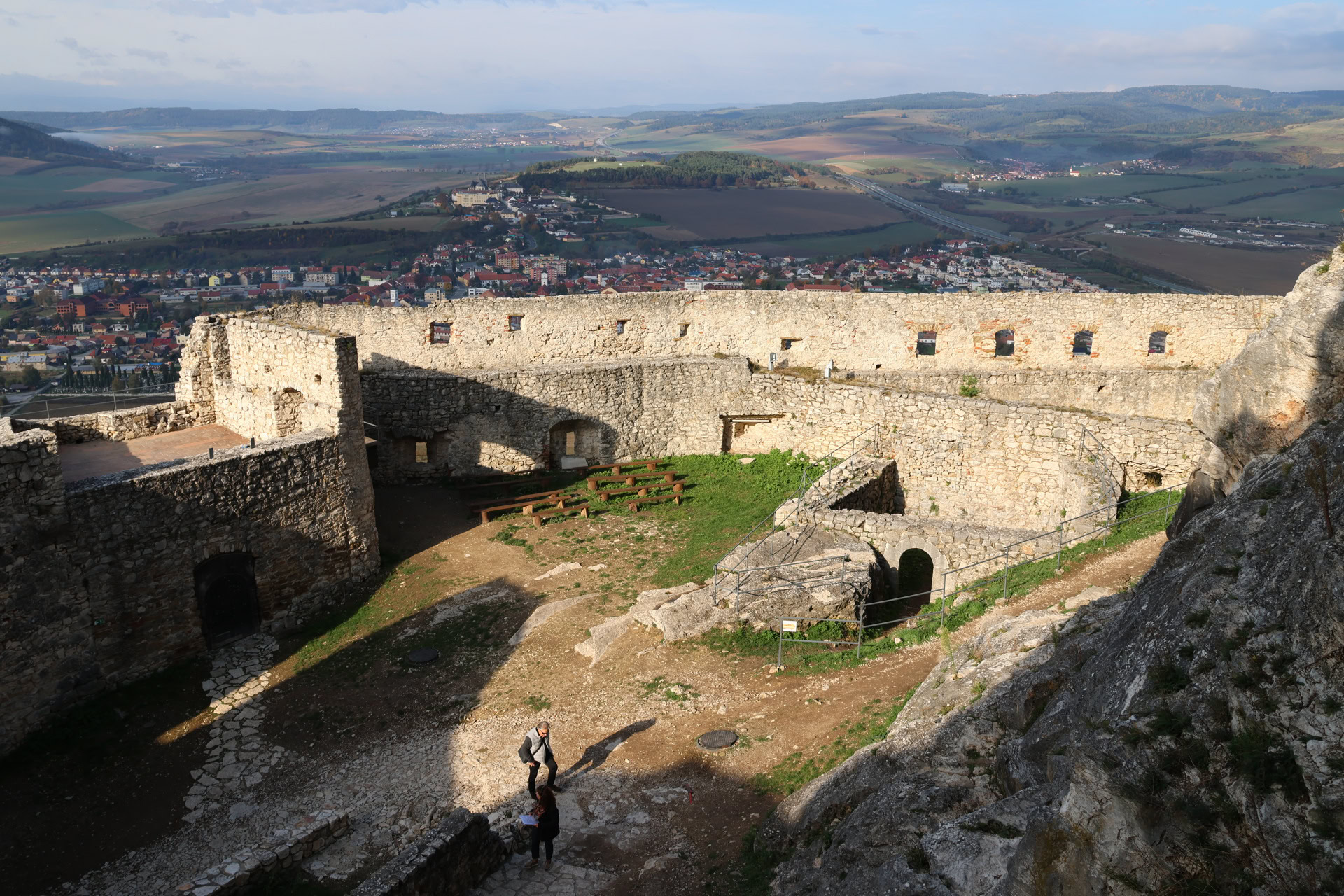
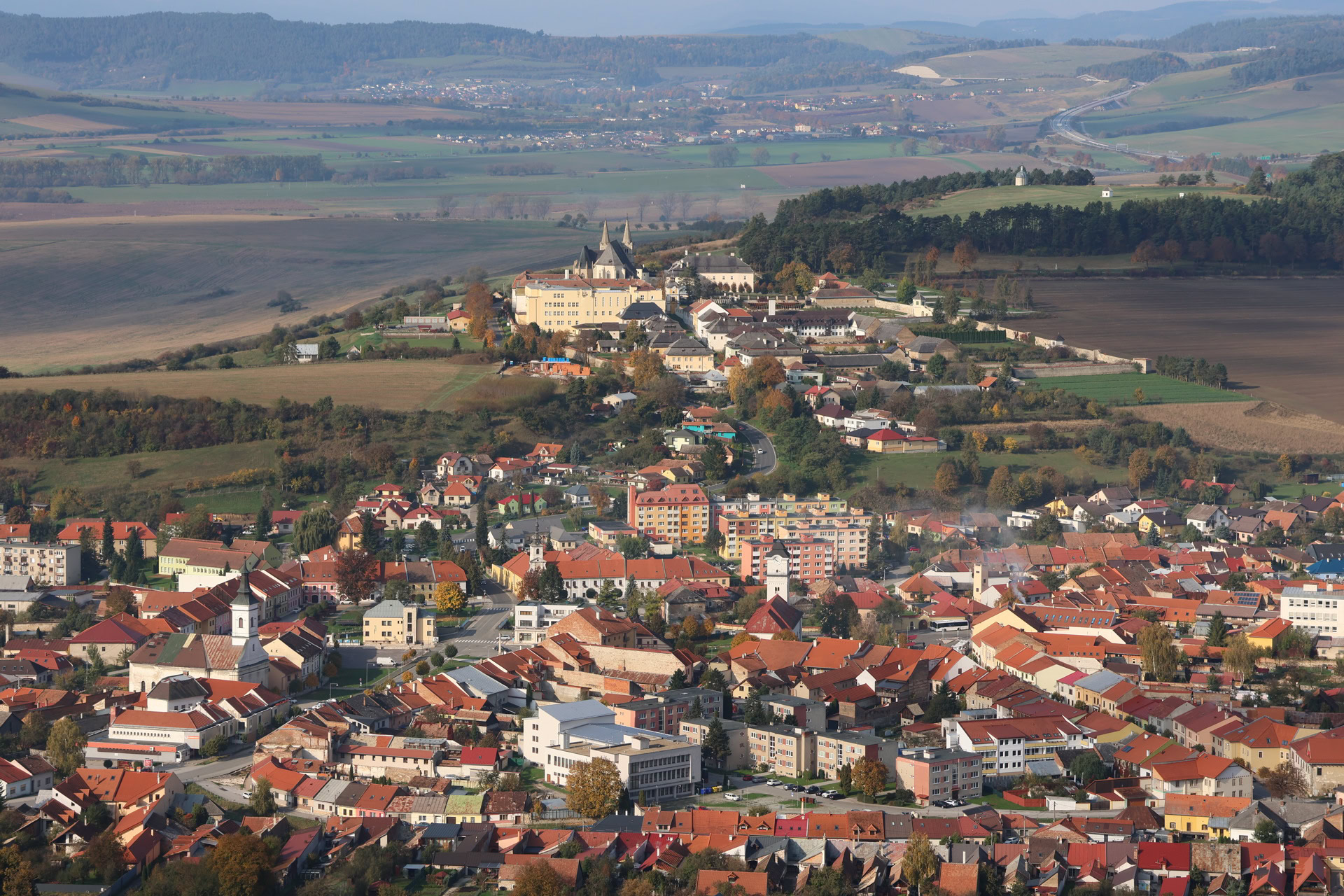
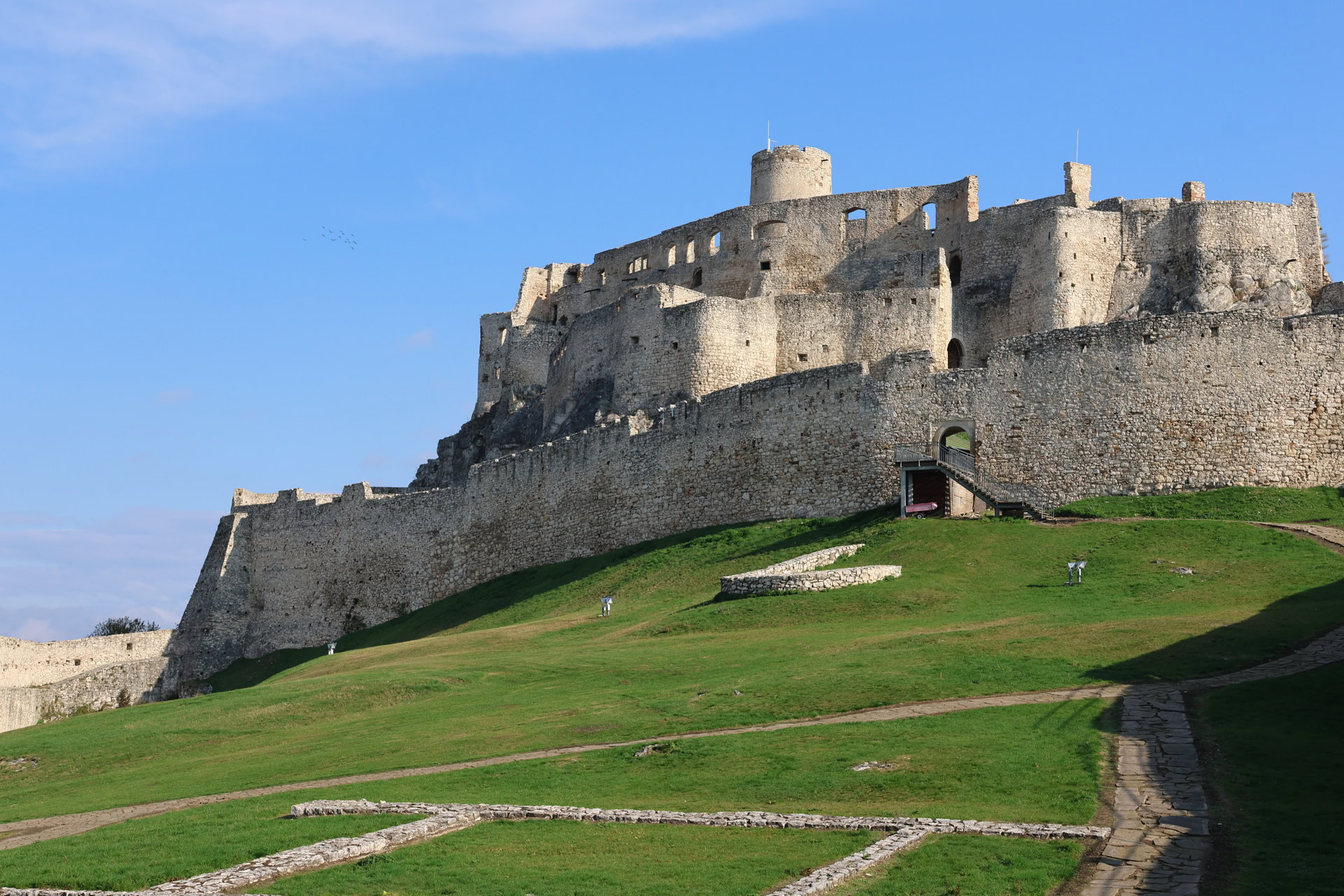
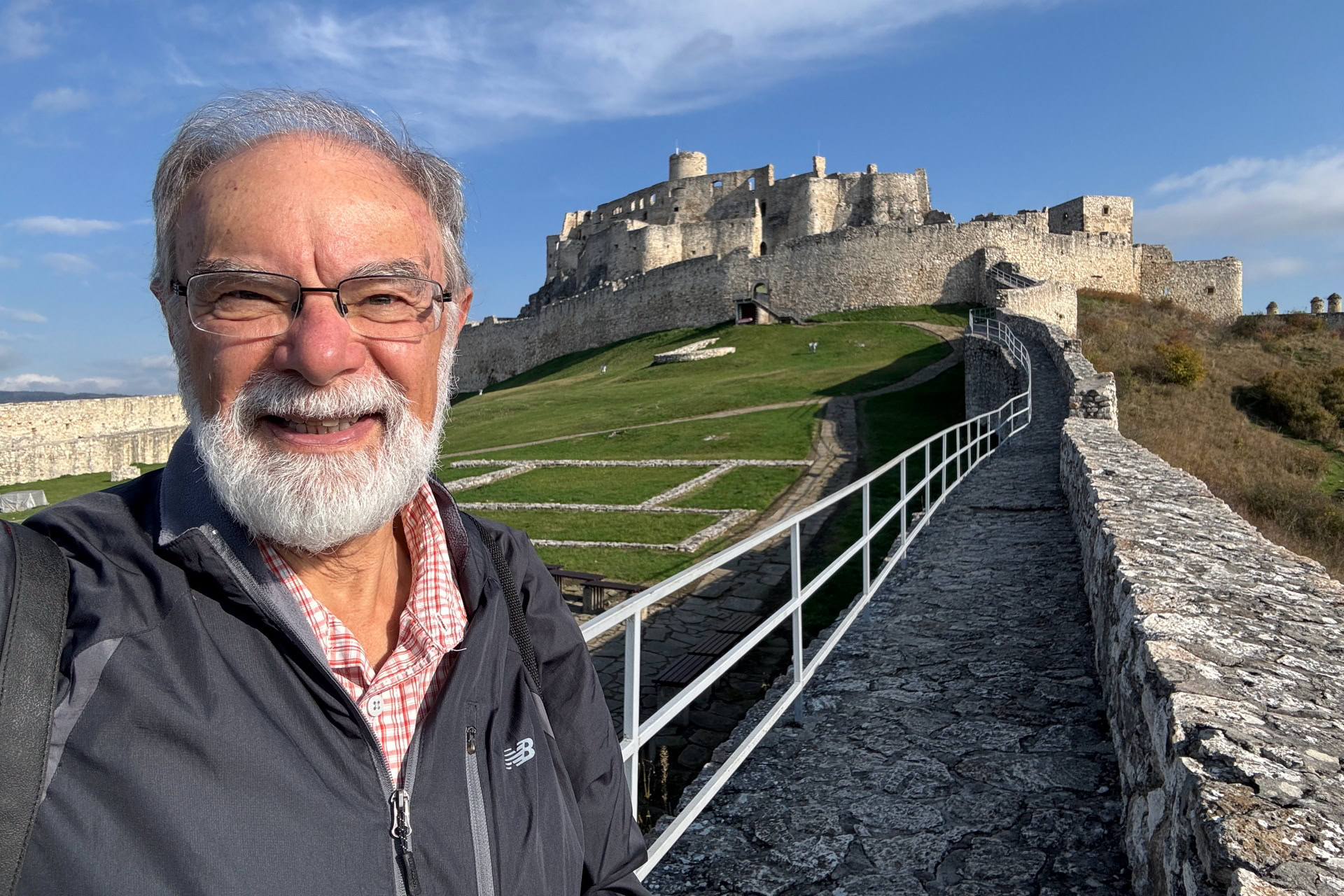
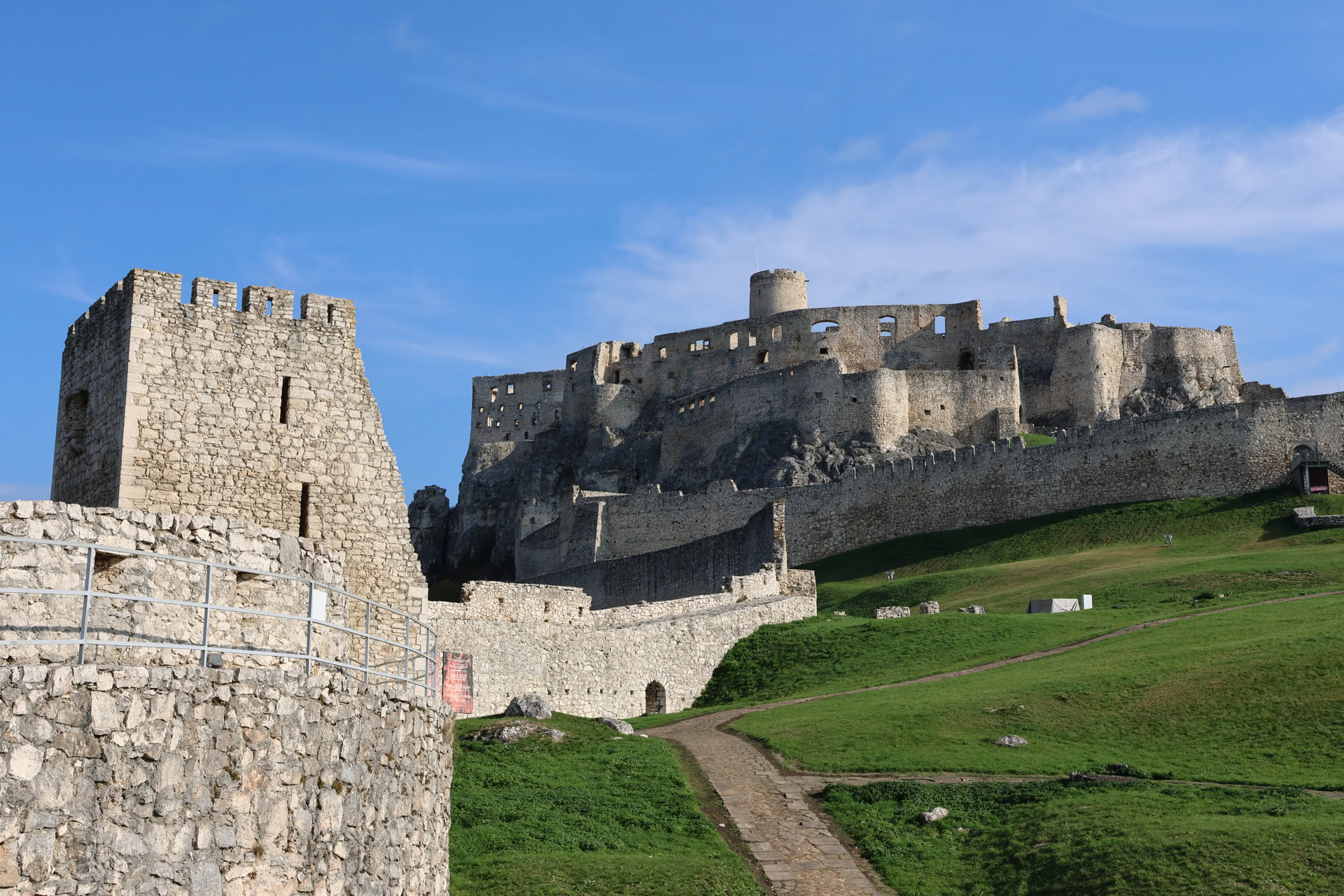
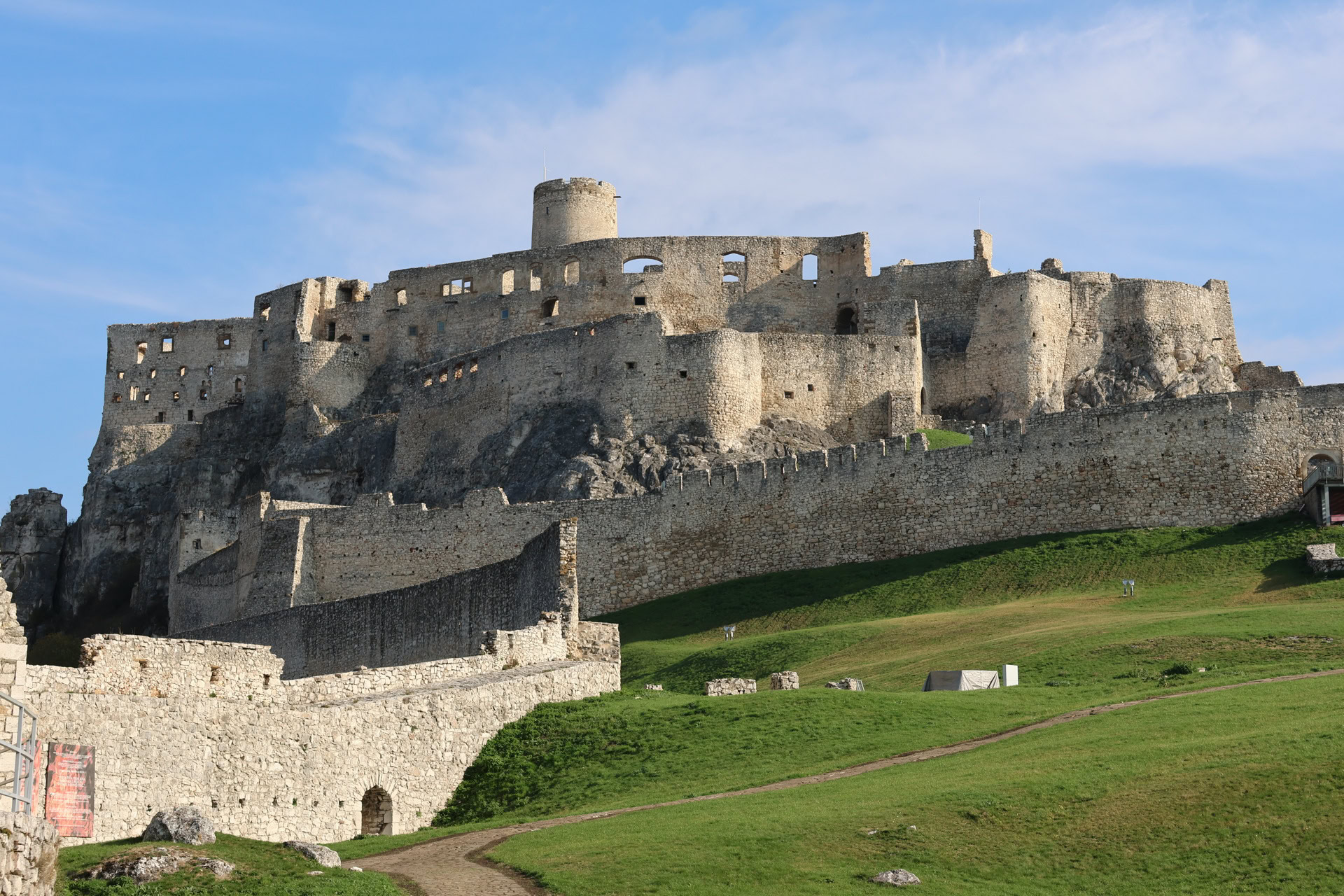
My drive today took me on a somewhat indirect knot-shaped trip through the High Tatras to Košice in eastern Slovakia. My first stop was just 20 kilometres east of Levoča at Spiš Castle. Overlooking the town of Spišské Podhradie and the village of Žehra, the fortified castle was built in stages beginning in the 12th century. It was destroyed by fire in 1780, and partially reconstructed in the 1970s. It was added to UNESCO’s World Heritage List in 1993.
Although partially in ruins, the castle is magnificent, in part because of its majestic hilltop location. It had informative signs throughout (including in English), and the views across the surrounding landscape were sensational in the clear morning light. I stayed much longer than I had expected, in part because the castle and its grounds were so extensive.
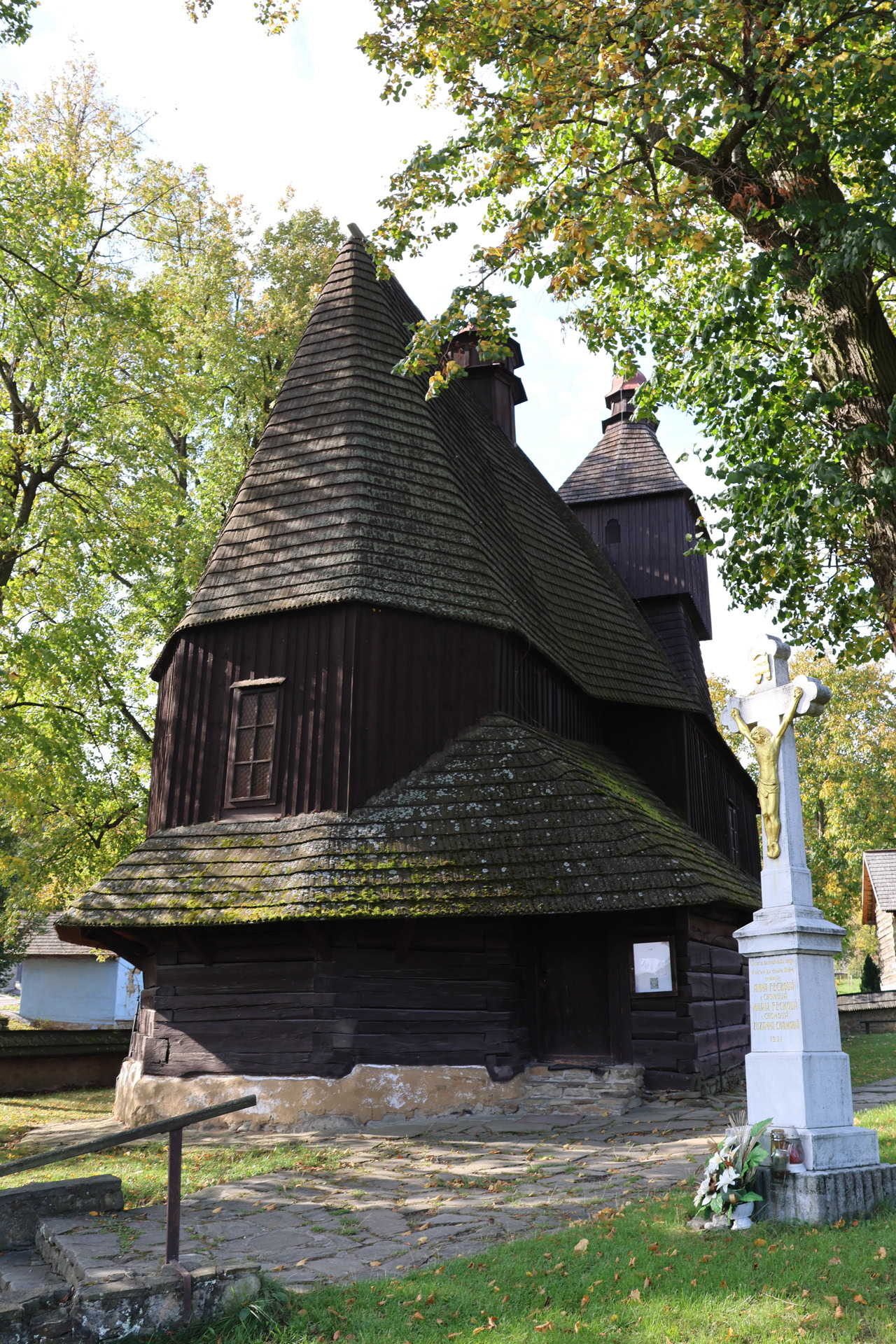
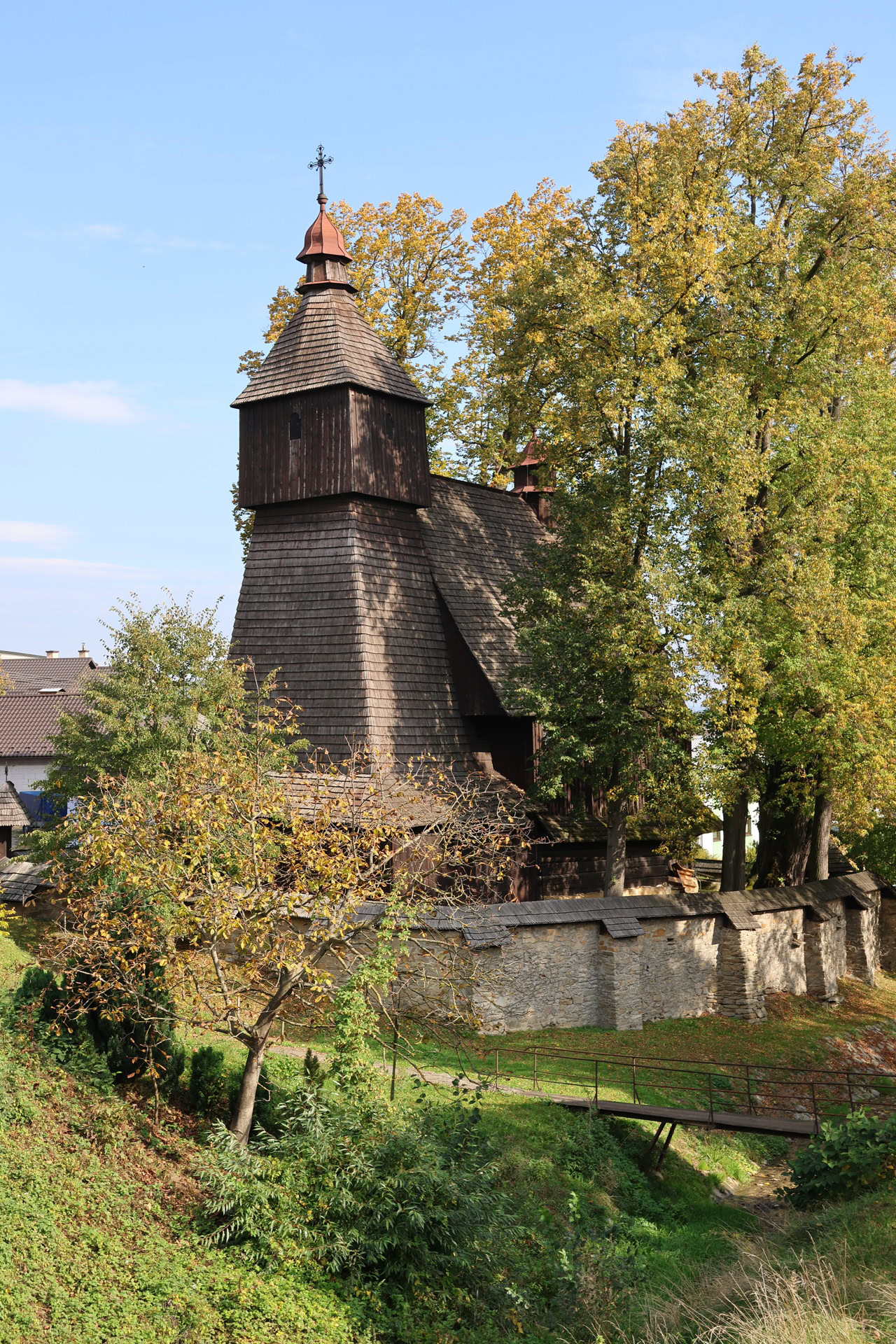
My second stop for the day was the small town of Hervartov, about 80 kilometres north-east of Spiš Castle. The main attraction in Hervartov is the old wooden Catholic church that was built in about 1500, which apparently has beautiful frescoes inside. Unfortunately the church was locked, and even viewing it from the outside was difficult because it is closely surrounded by thick trees. Consequently, my stay in Hervartov was fairly brief.
My next stop was the town of Bardejov, a short drive of about 10 kilometres north-east of Hervartov. Bardejov is one of the larger towns in the High Tatras with a population of about 32,000 people. Yes, it is yet another UNESCO World Heritage site. The settlement was originally started by monks in 1240, and by the 16th century it had grown into a substantial town.
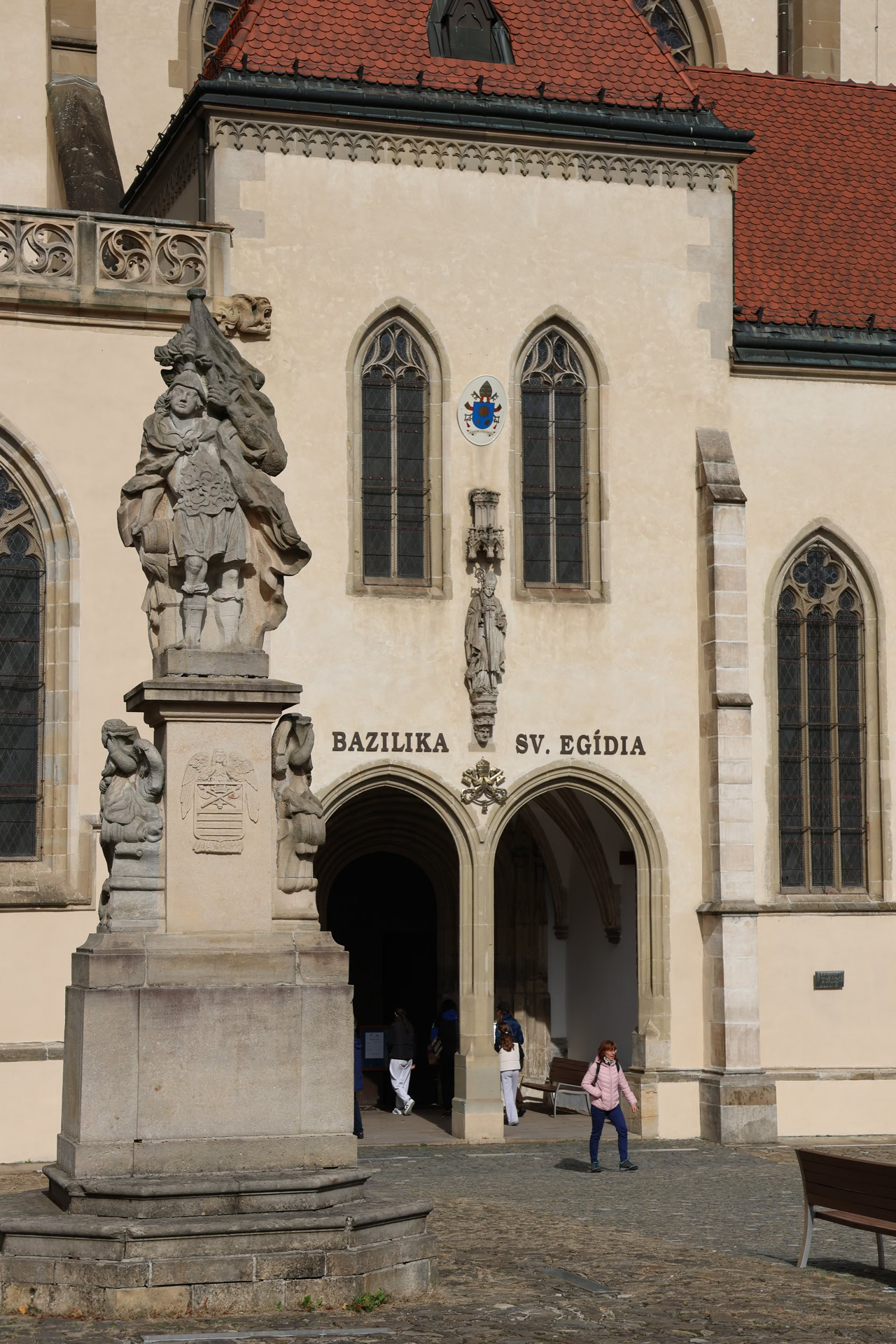
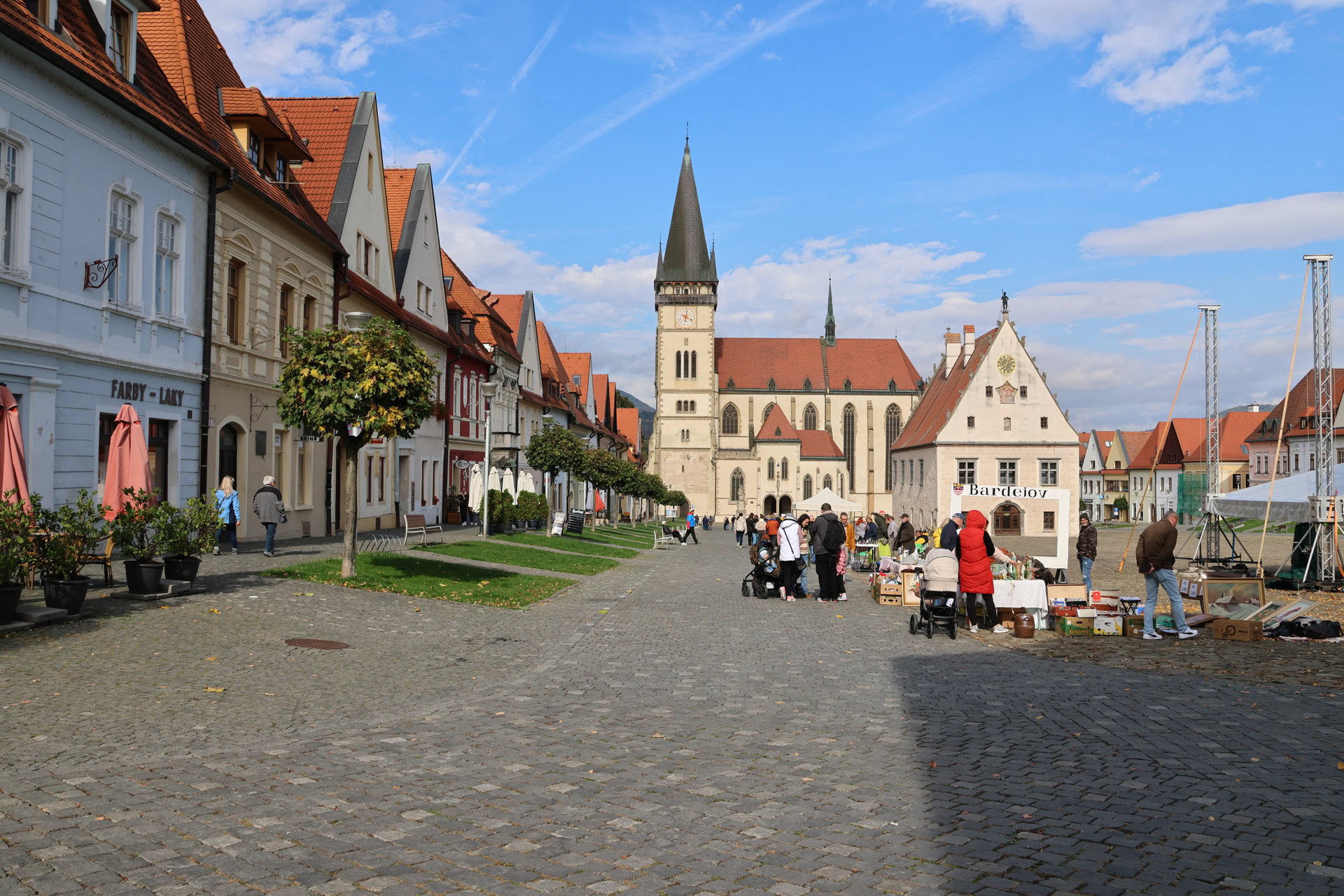
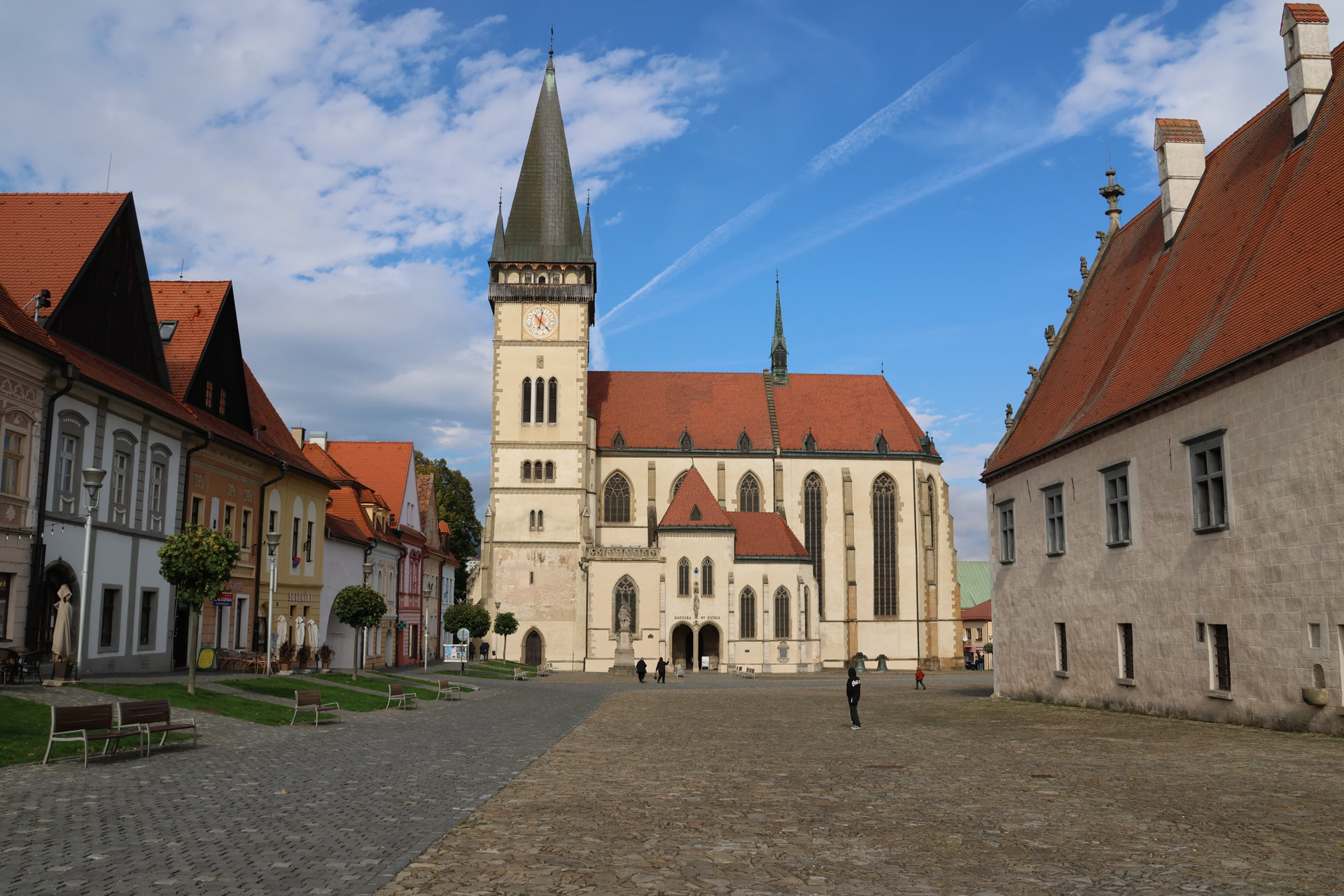
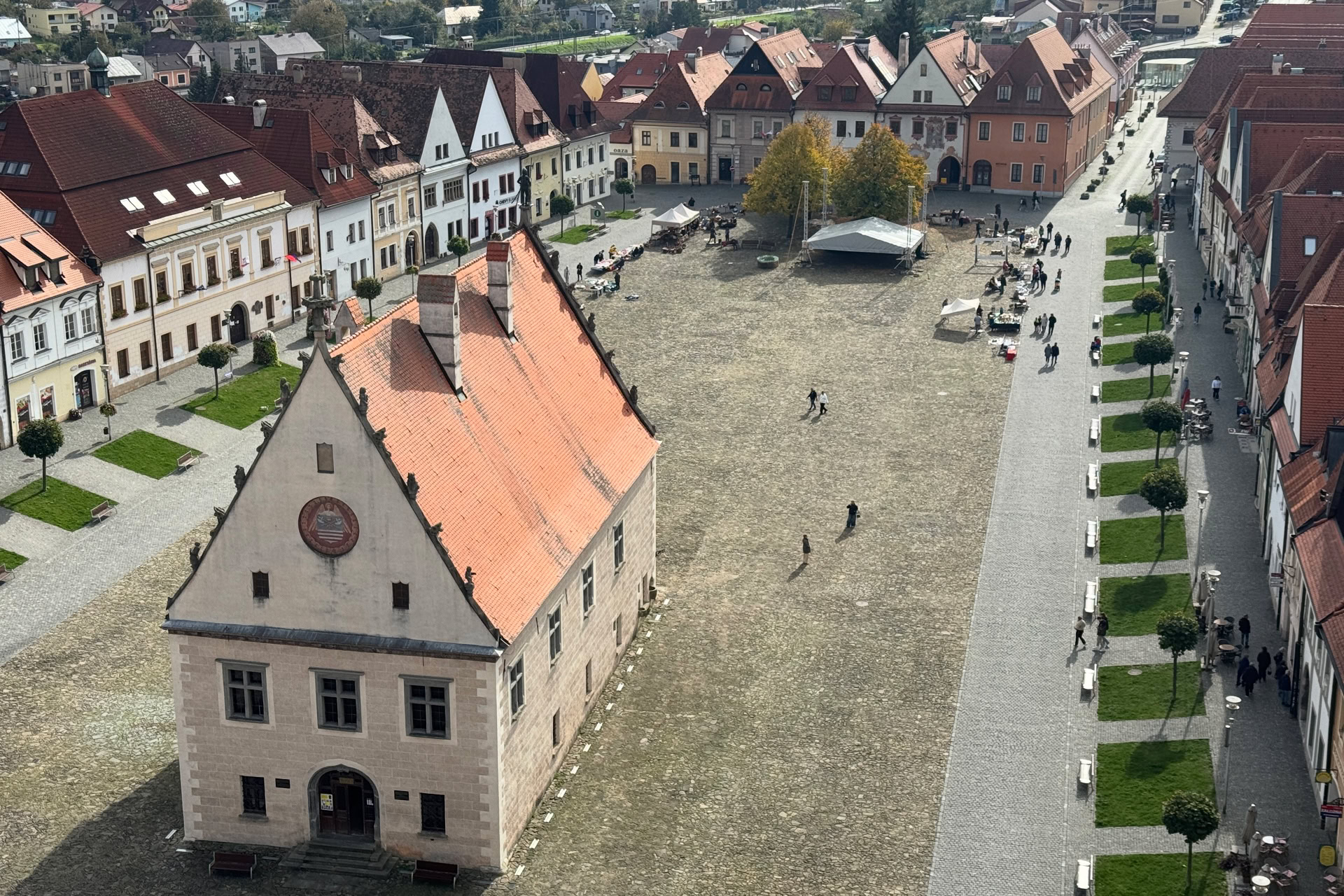
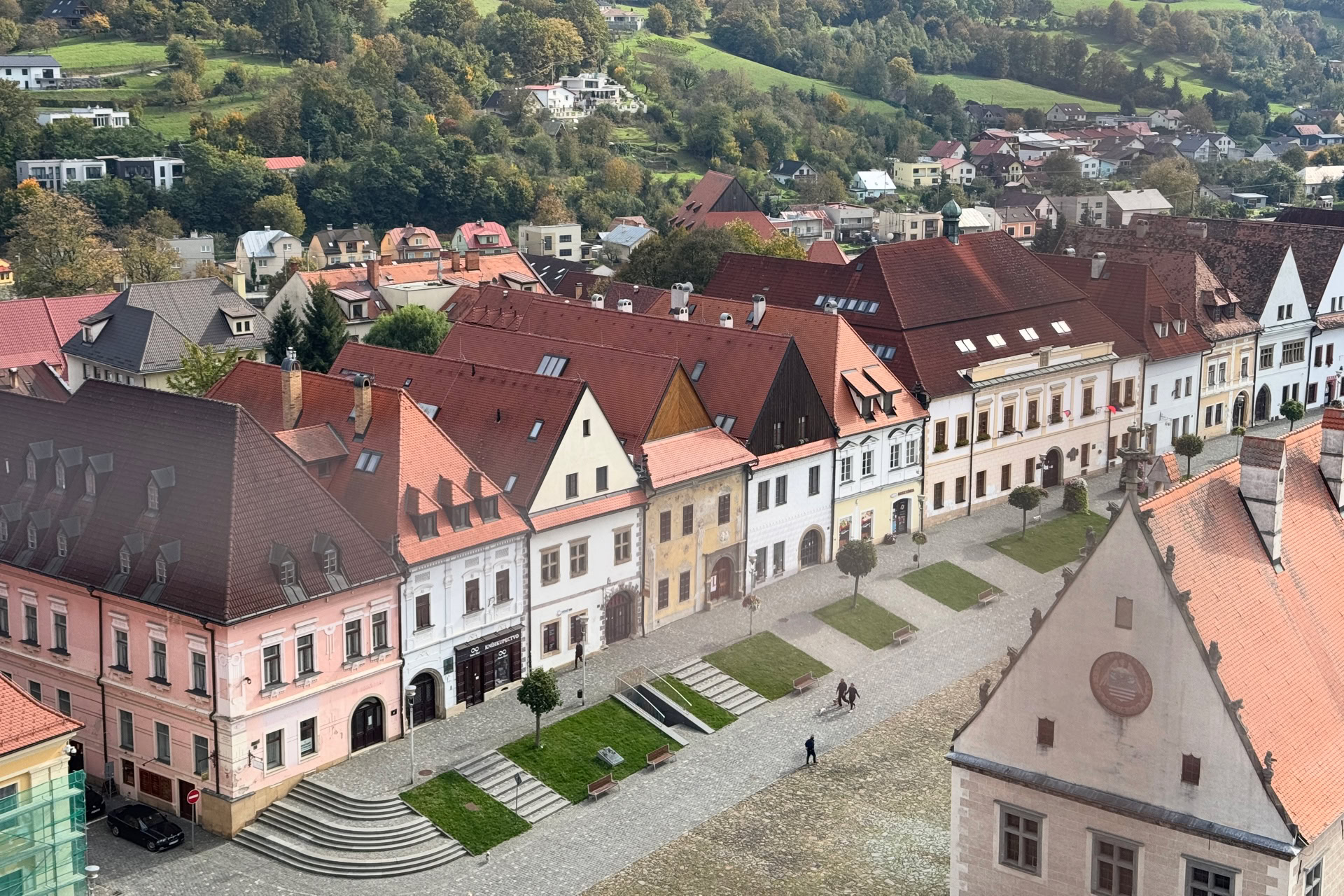
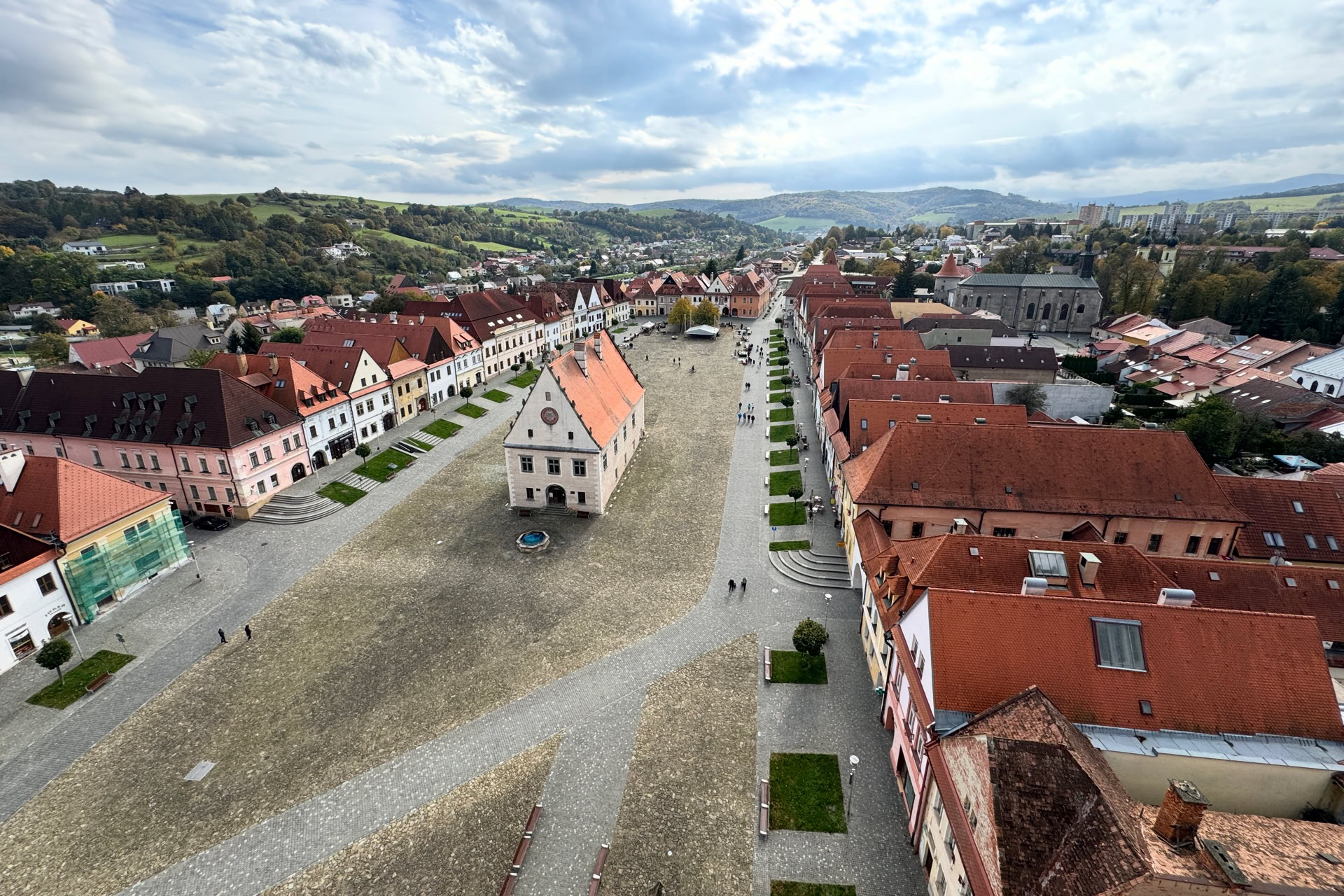
The appeal of Bardejov for me was the old city centre, dominated by a large open square with the imposing Church of St Aegidius (a.k.a. St Giles) at the northern end and the old town hall, built in 1505, near the centre of the square. Being Sunday, there was an open-air market in the town square, although to label it “lively” would stretch the imagination beyond reasonable credibility.
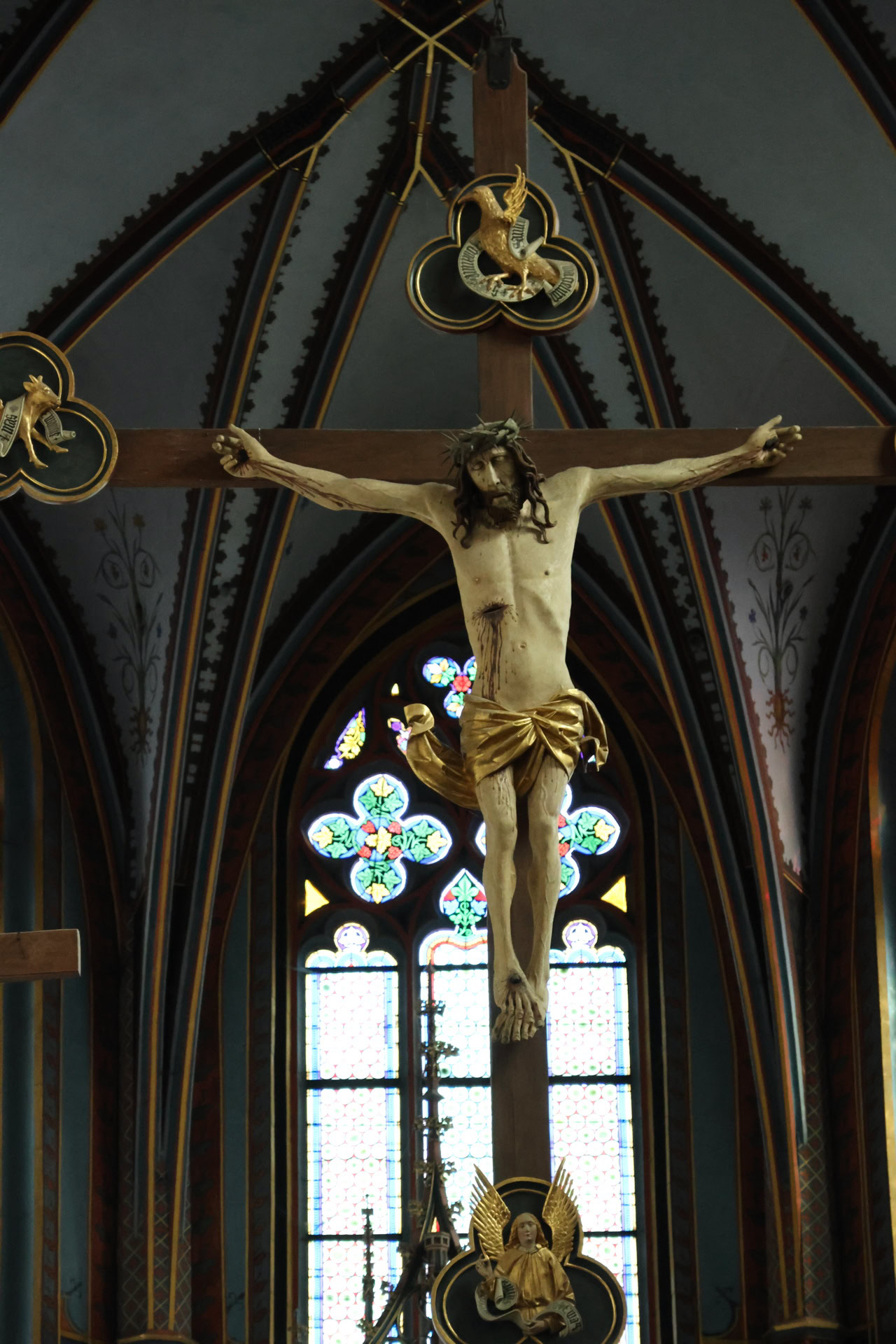
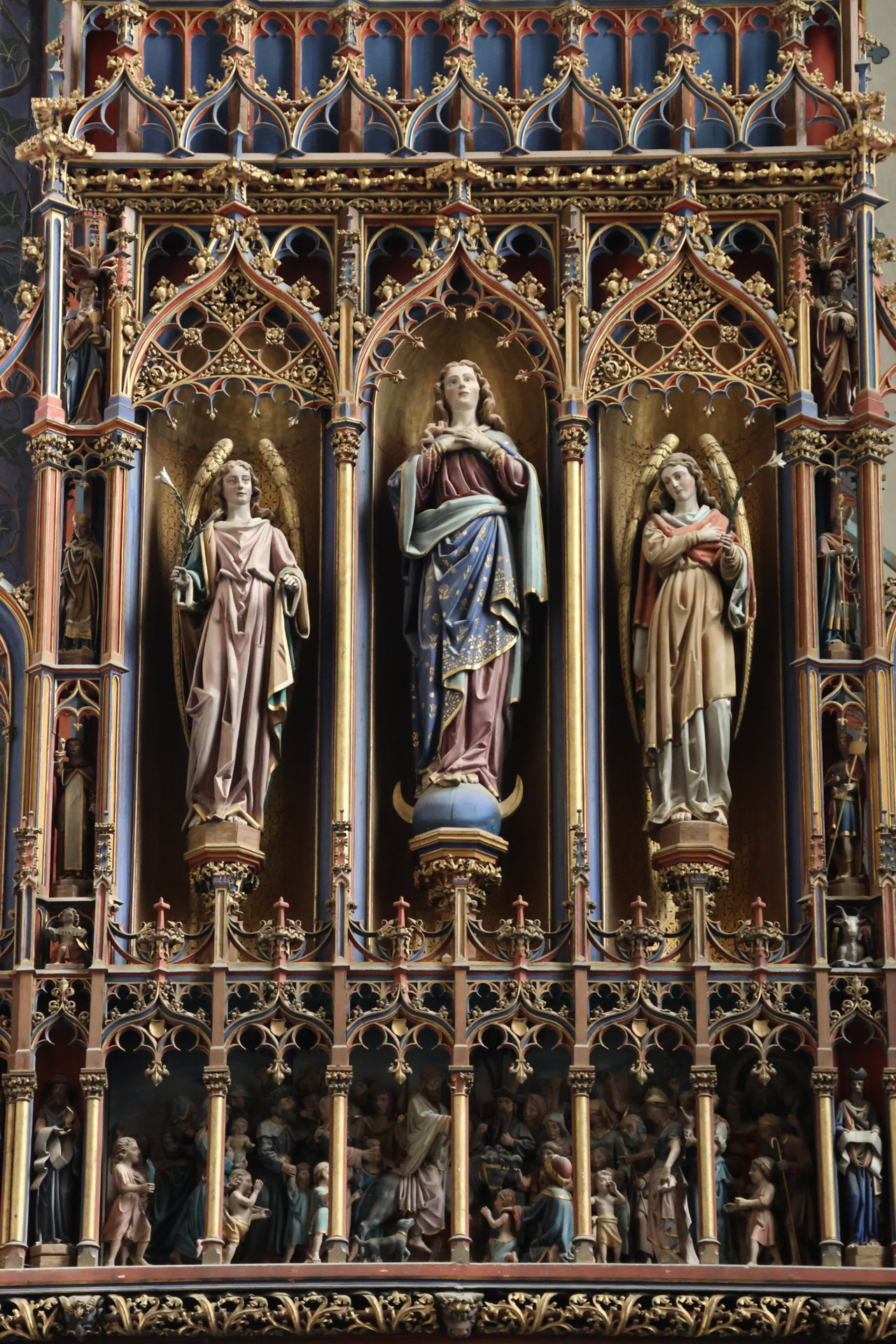
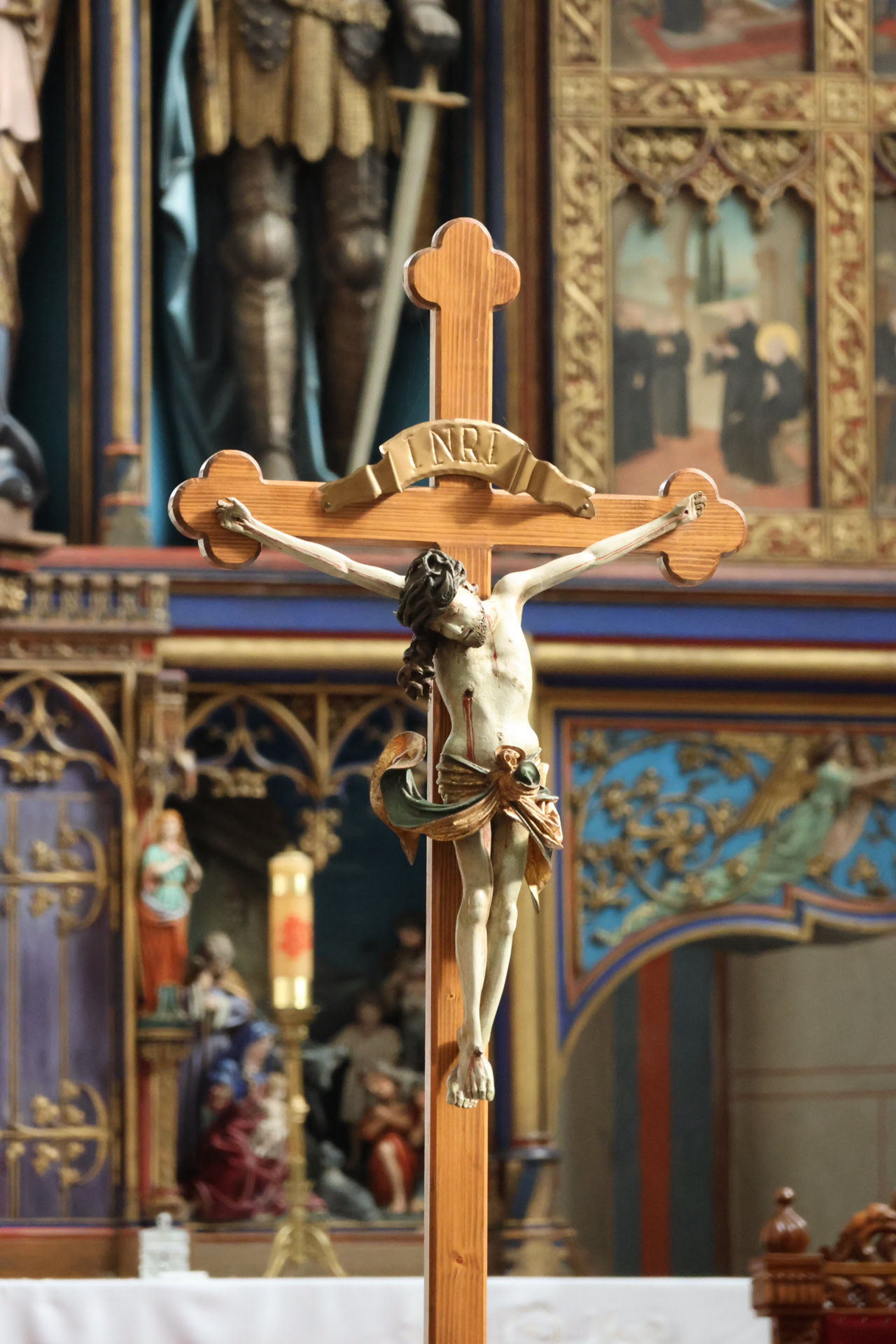
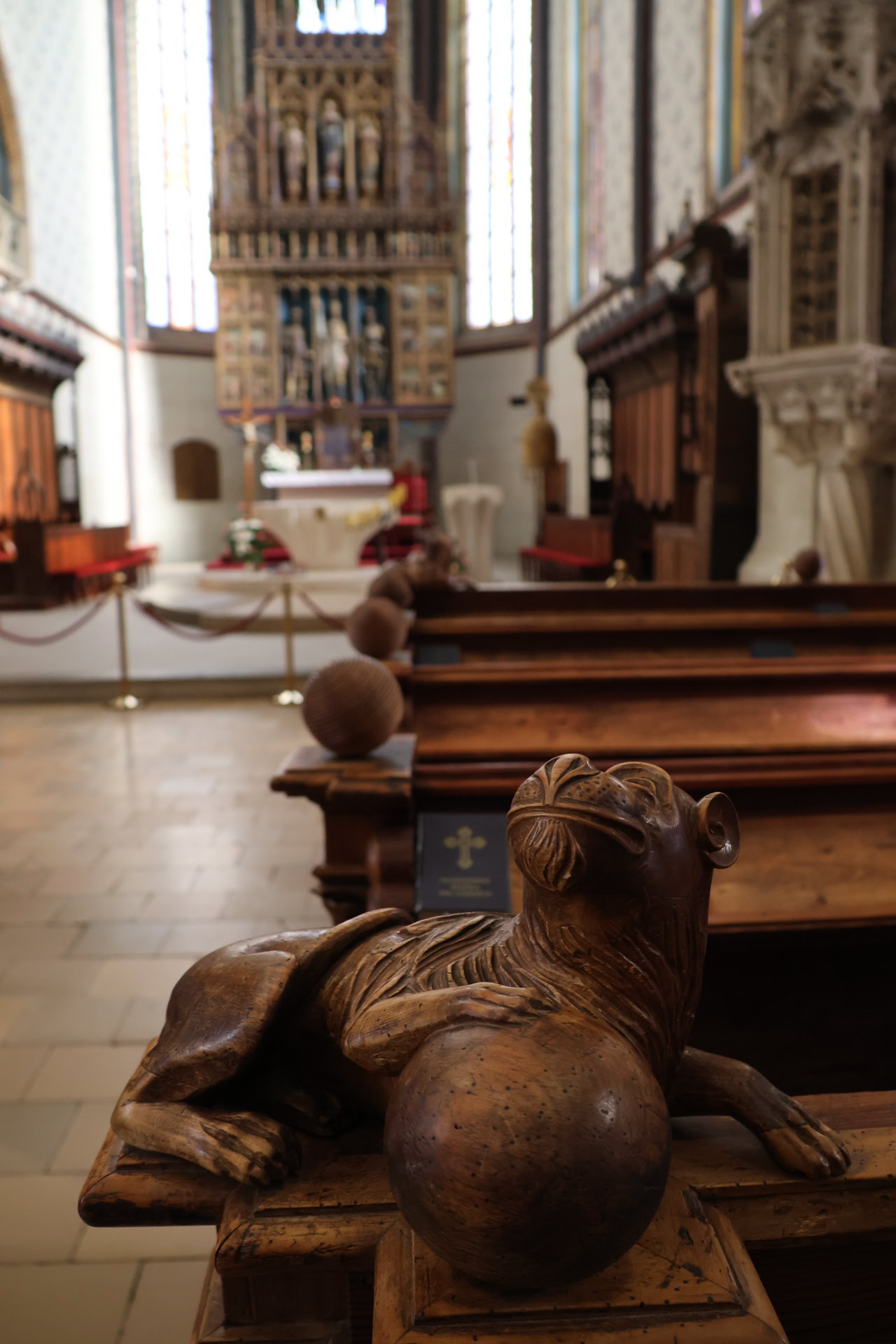
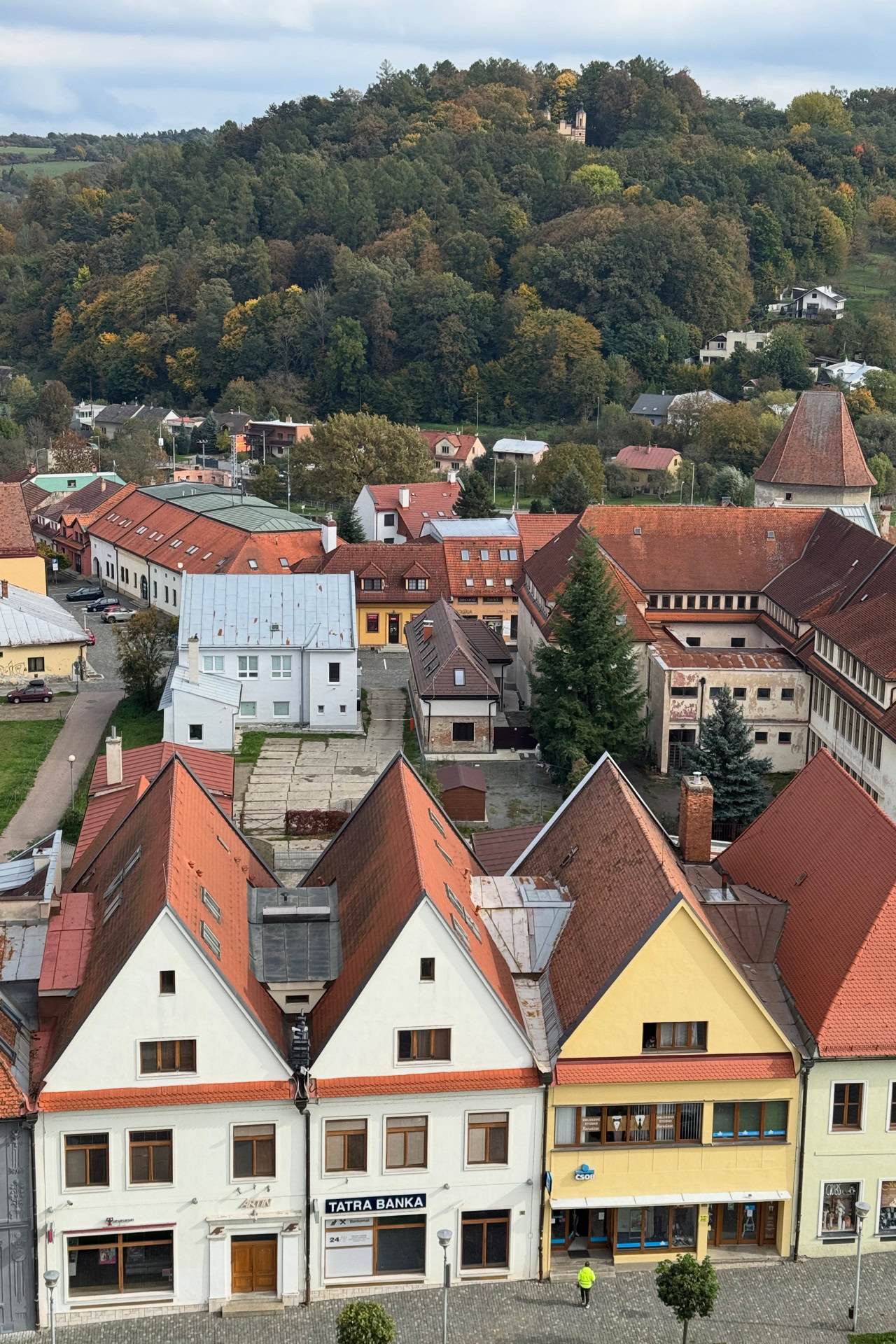
I visited the interior of the Church, which I found disappointingly dark and dreary. More excitingly, I went to the top of the spire where an observation deck provided good (through very difficult to photograph) views across the central square and old town.
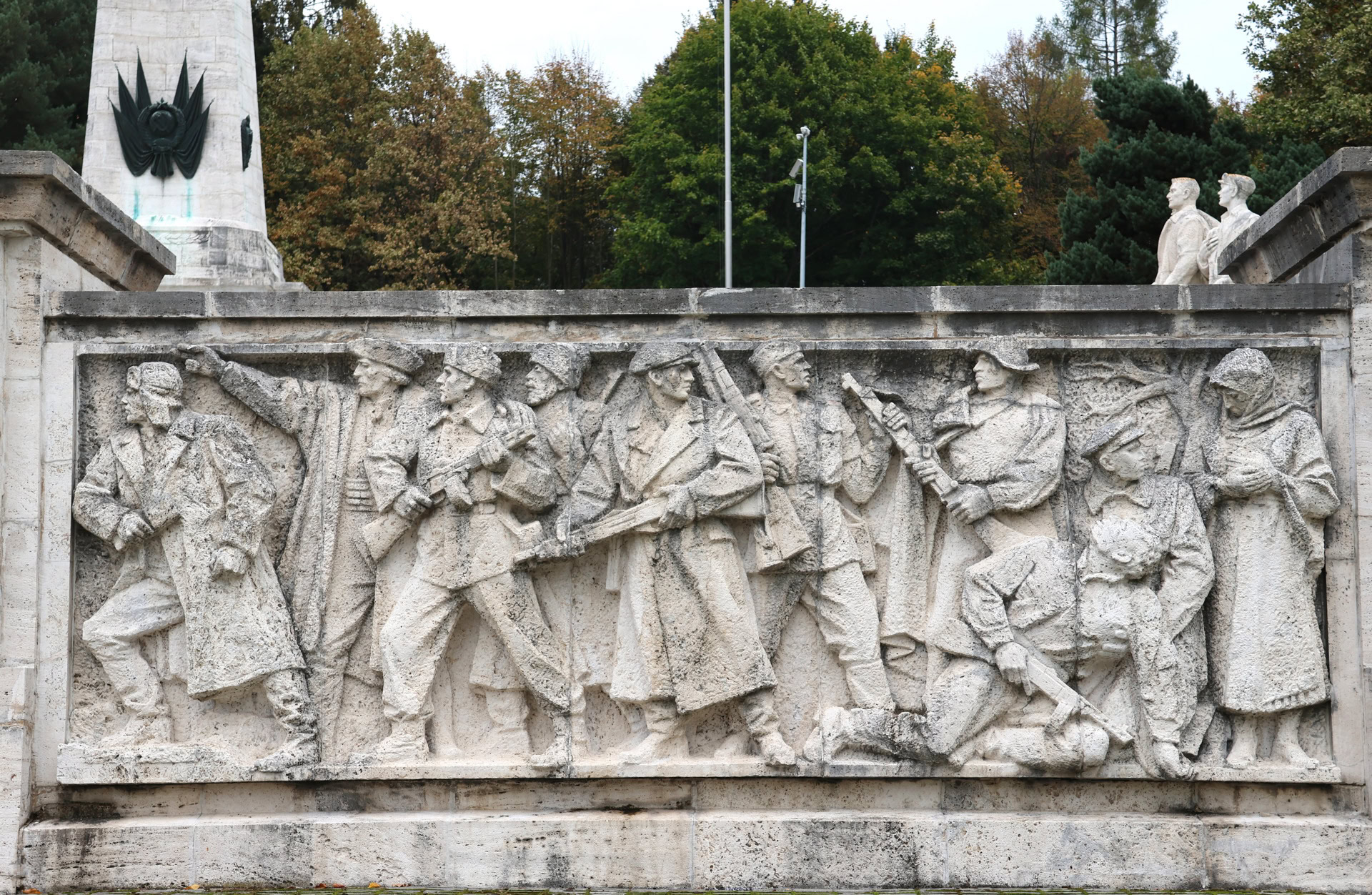
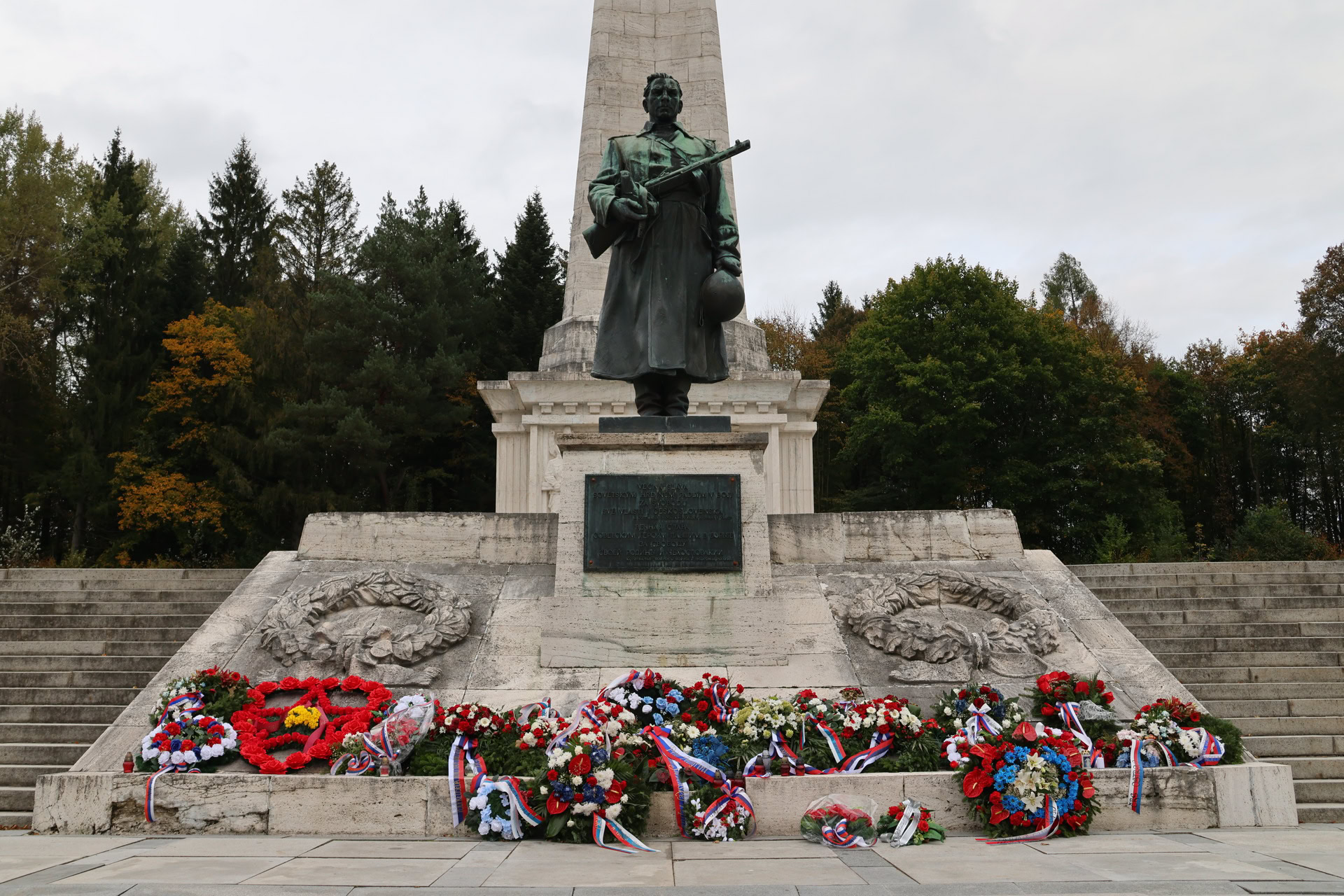
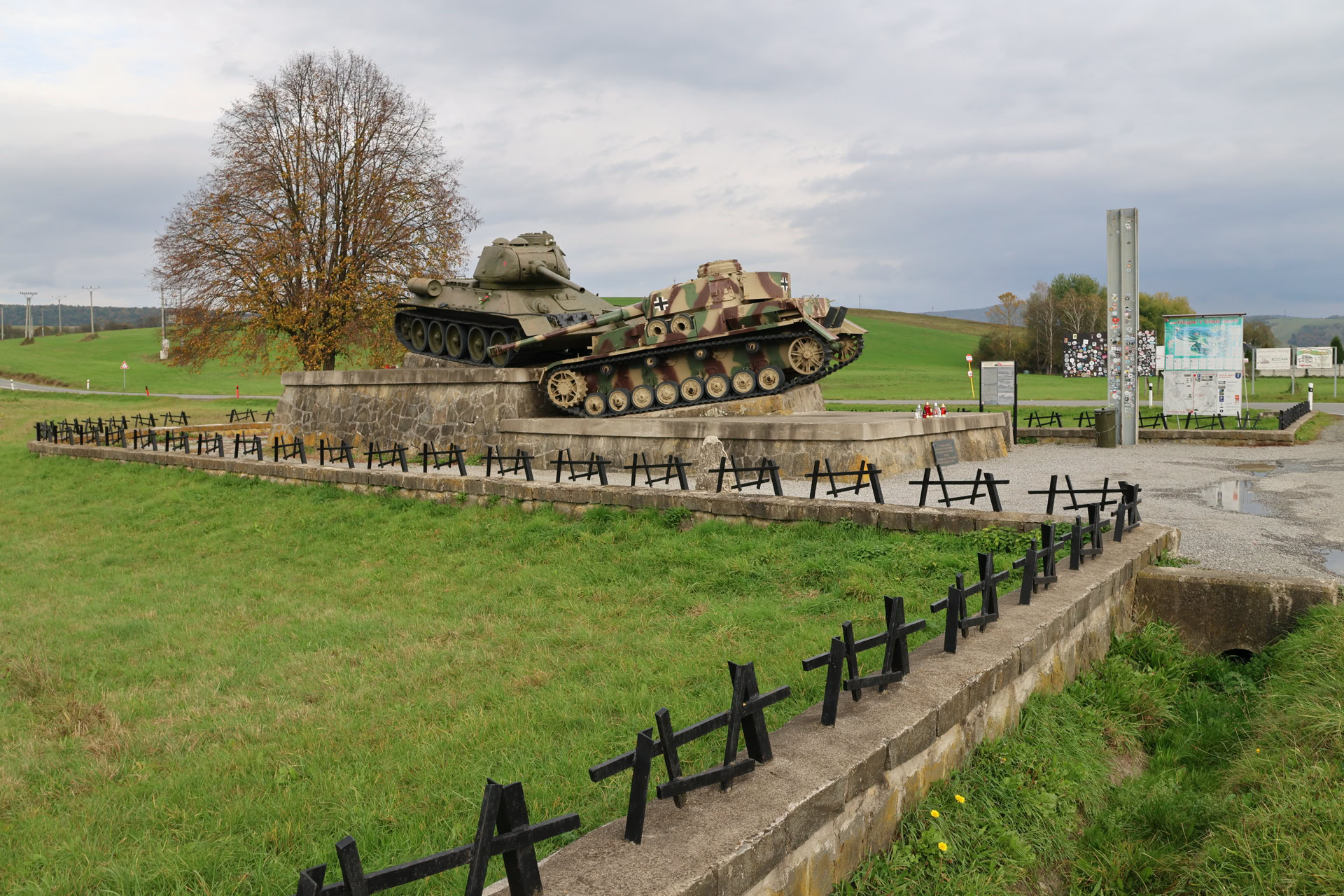
My next stop was unplanned. As I was driving through the town of Svidnik, about 35 kilometres east of Bardejov, I saw a large park with an interesting Communist-era war memorial built by the Soviet Union in memory of the Battle of Dukla Pass in 1944, together with a small array of aircraft and amoured vehicles, looking over socialist housing blocks with interesting external patriotic mosaics. Naturally I stopped to get some photos in spite of the heavy, grey clouds that had built up in the skies above.
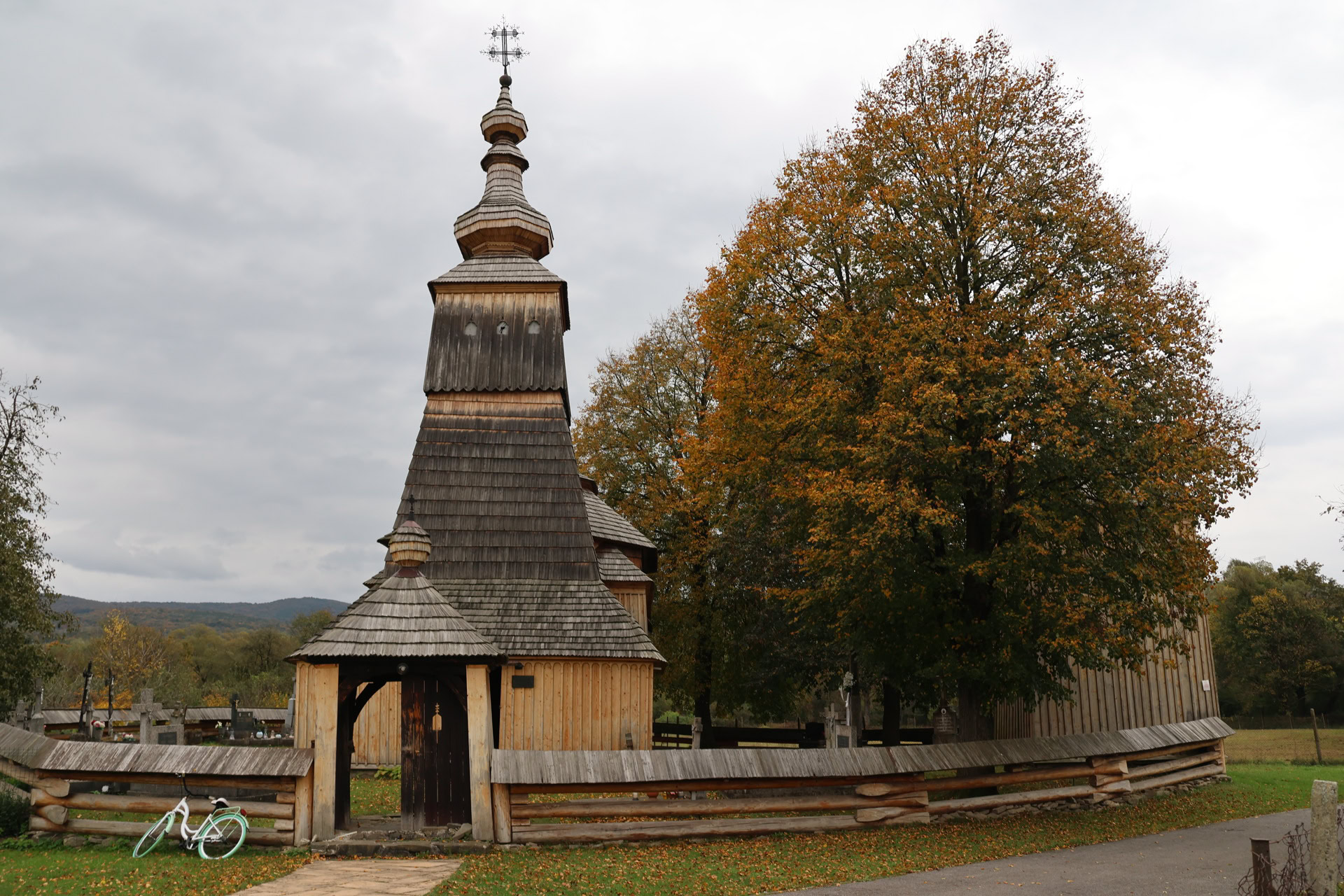
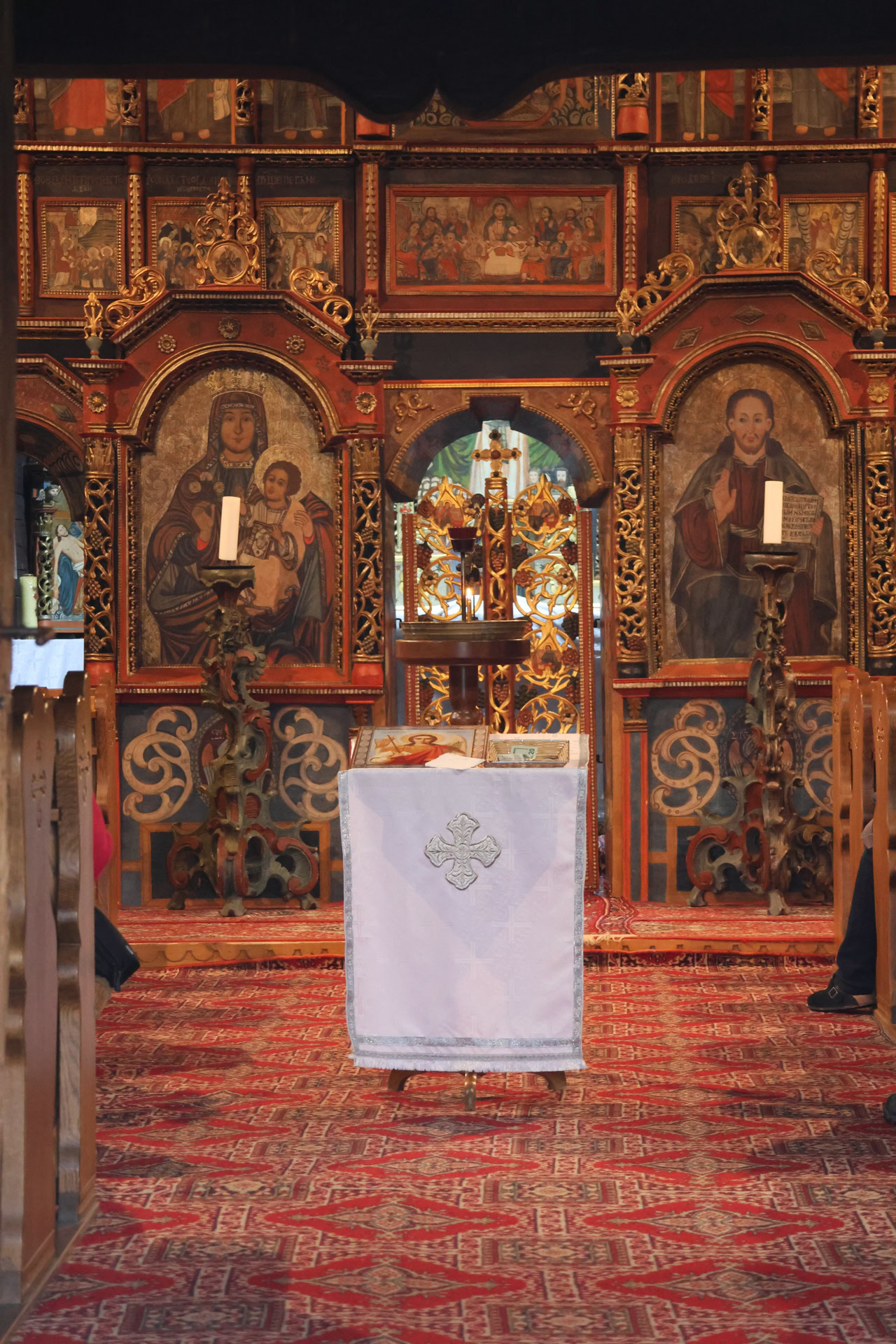
My next stop was quite brief. Just 6 kilometres north-east of Svidnik, the tiny village of Ladomirová has a small wooden Greek Catholic Church known as the Church of Saint Michael the Archangel of Ladomirová. Built in 1742, it seemed worth a stop as it had been designated as a UNESCO World Heritage site. The church was certainly small and looked much newer than 1742; I guess UNESCO funds have been used for a recent renovation. Nonetheless, the interior of the church (which I couldn’t enter because a group of tourists on an organised tour were inside) was truly beautiful.
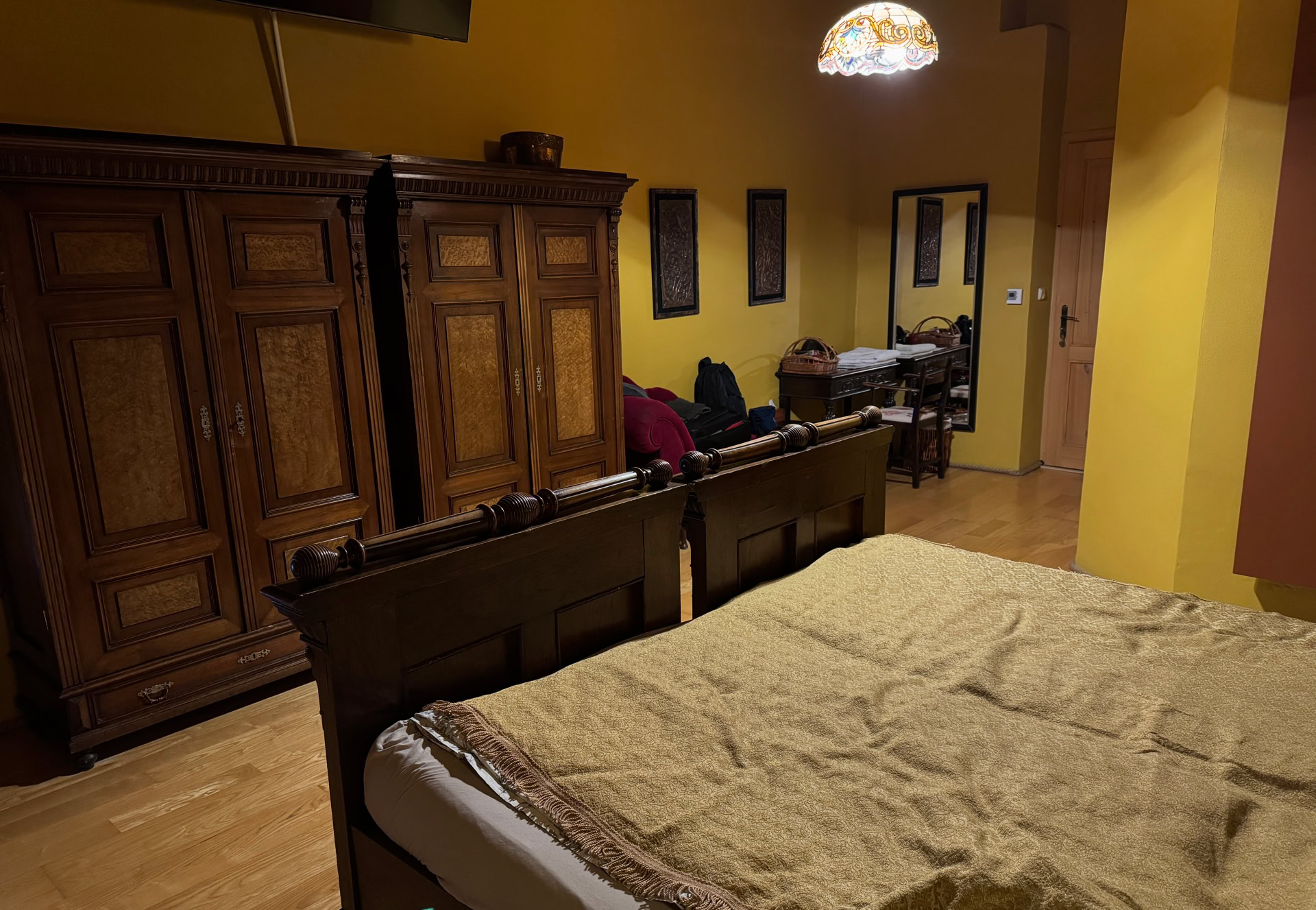
My final stop and destination for the day was the city of Košice, about 100 kilometres south of Ladomirova. Kosiče is Slovakia’s second largest city with a population of about 230,000 people. It was dark by the time I arrived in Kosiče, so finding my hotel (the Boutique Hotel Bristol) was a medium-level challenge given the central city’s dense network of narrow one-way streets and the tiny street frontage of the hotel.