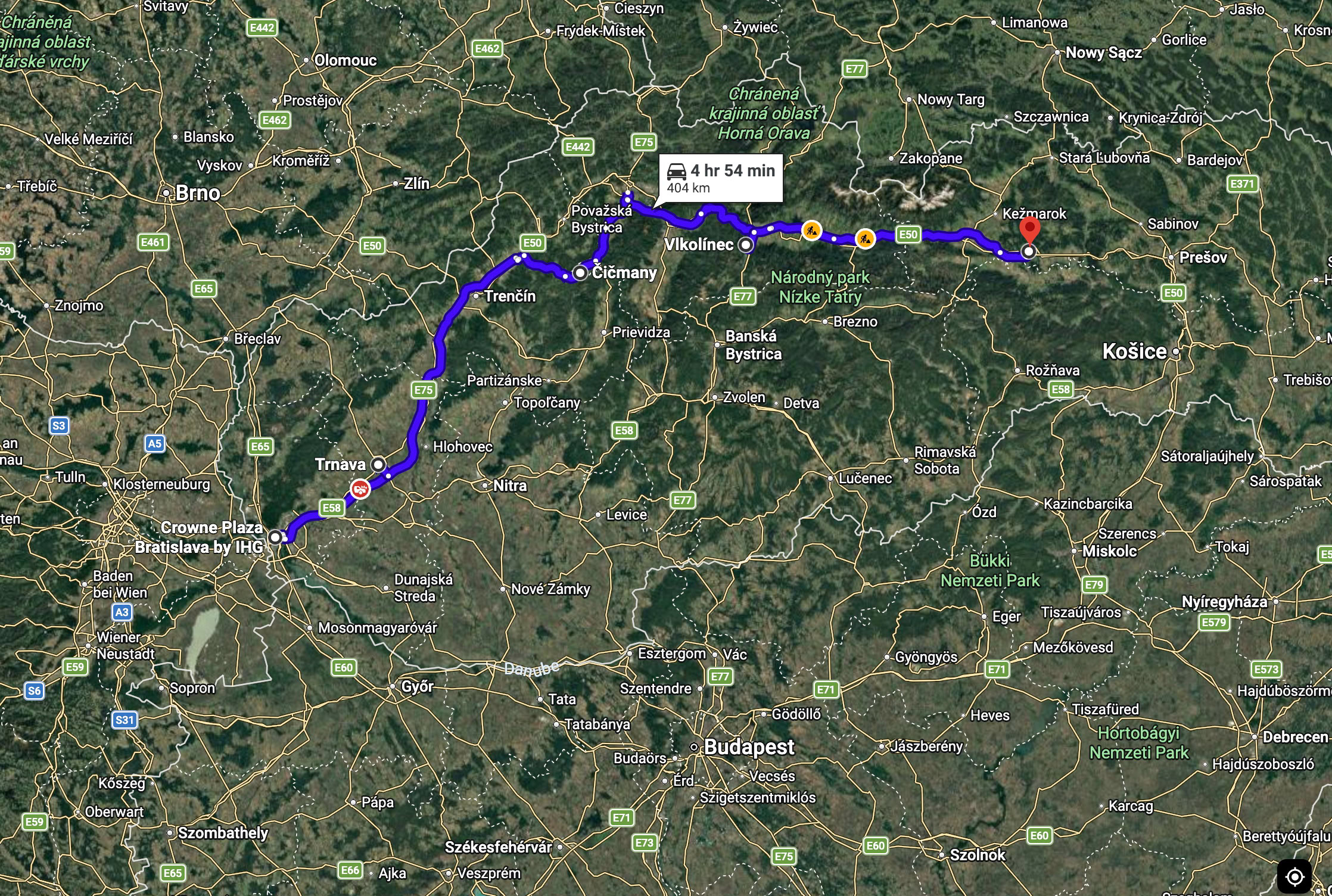

Having not used my rental car yesterday, today’s 400-kilometre drive was quite a contrasting experience. My destination for the day was Levoča, a small town in the High Tatra Mountains just a few kilometres south of the Polish border near the well-known skiing resort of Zakopane. Unlike my drive from Štúrovo to Bratislava two days earlier, this drive took me through a range of beautiful landscapes and picturesque villages.
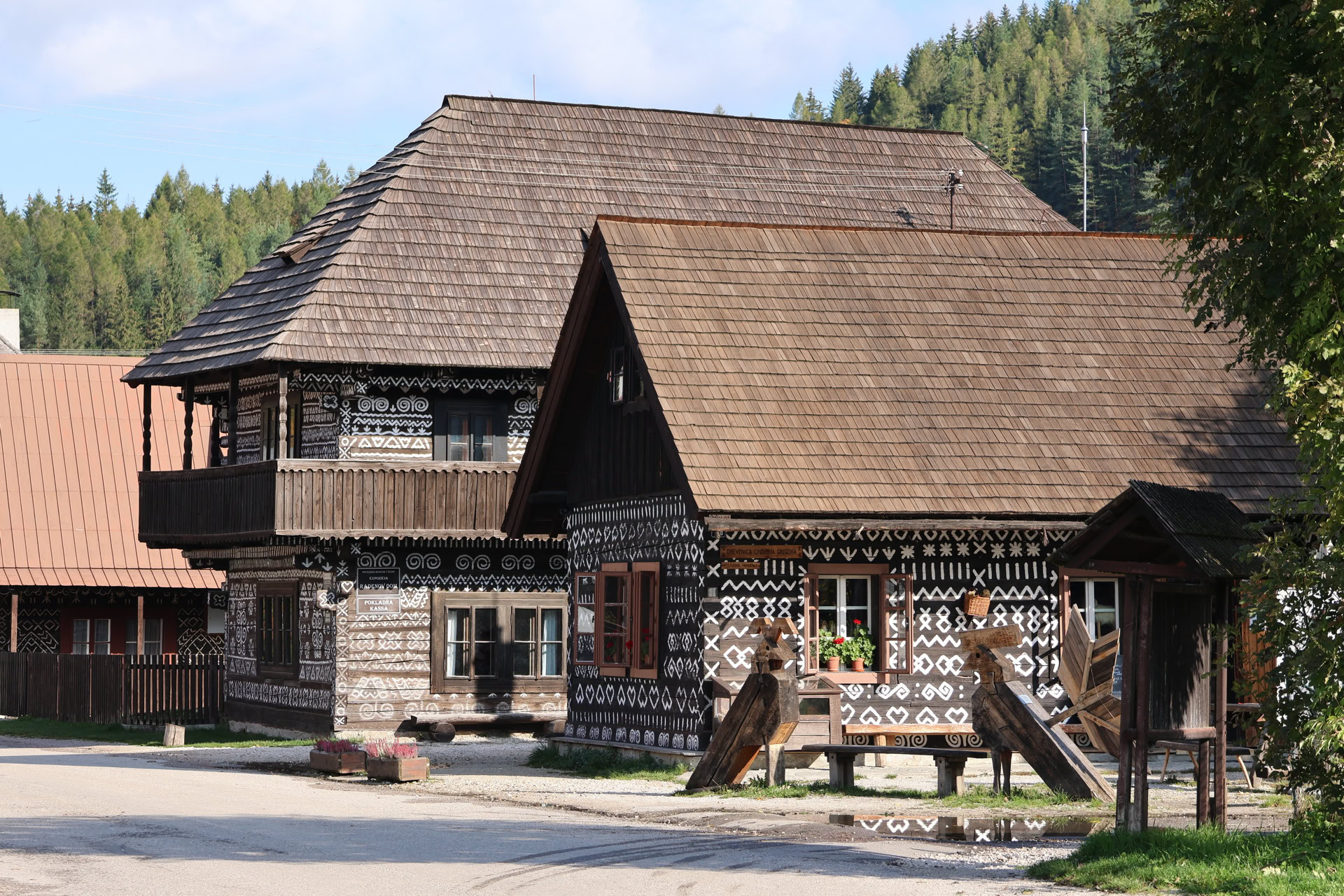
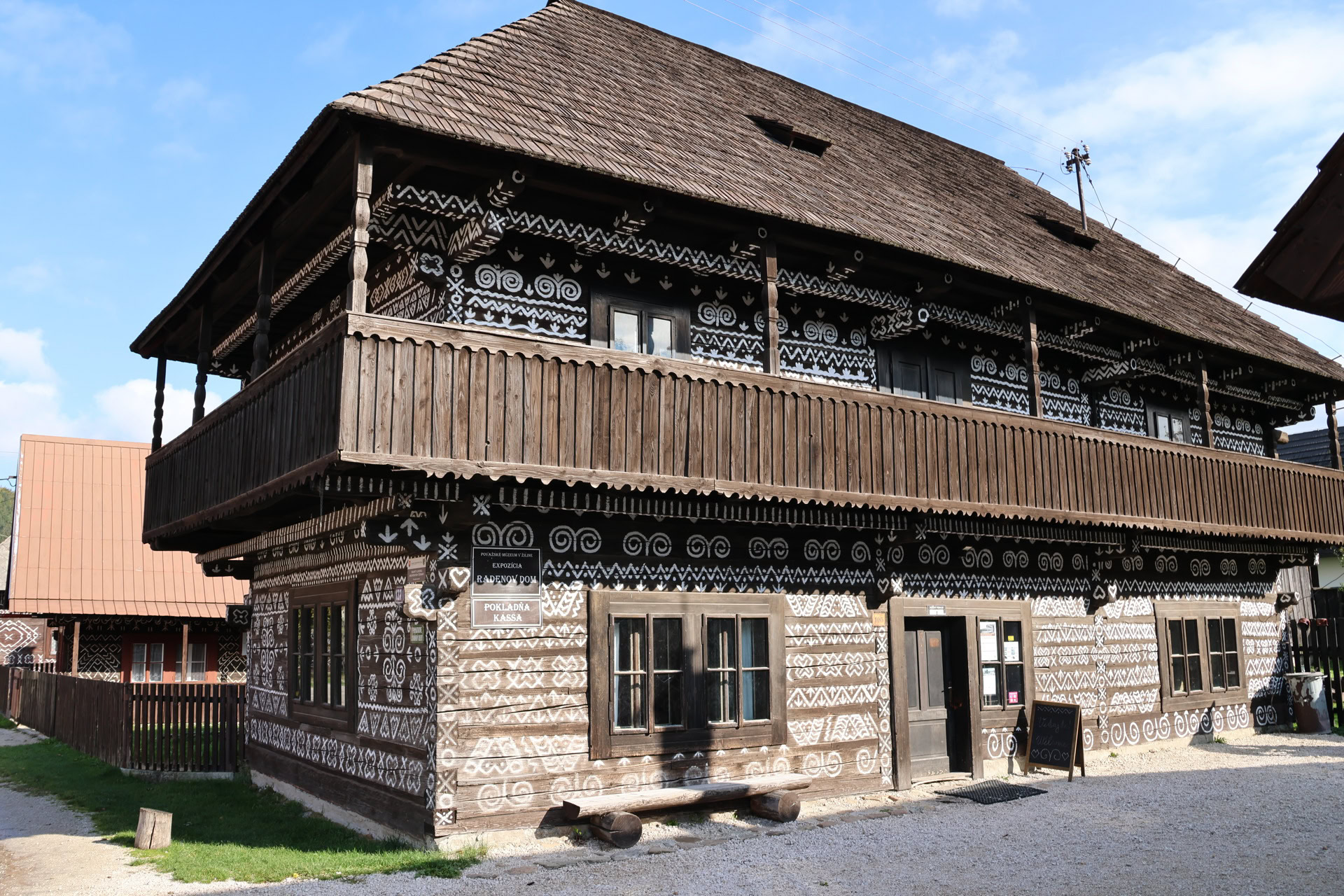
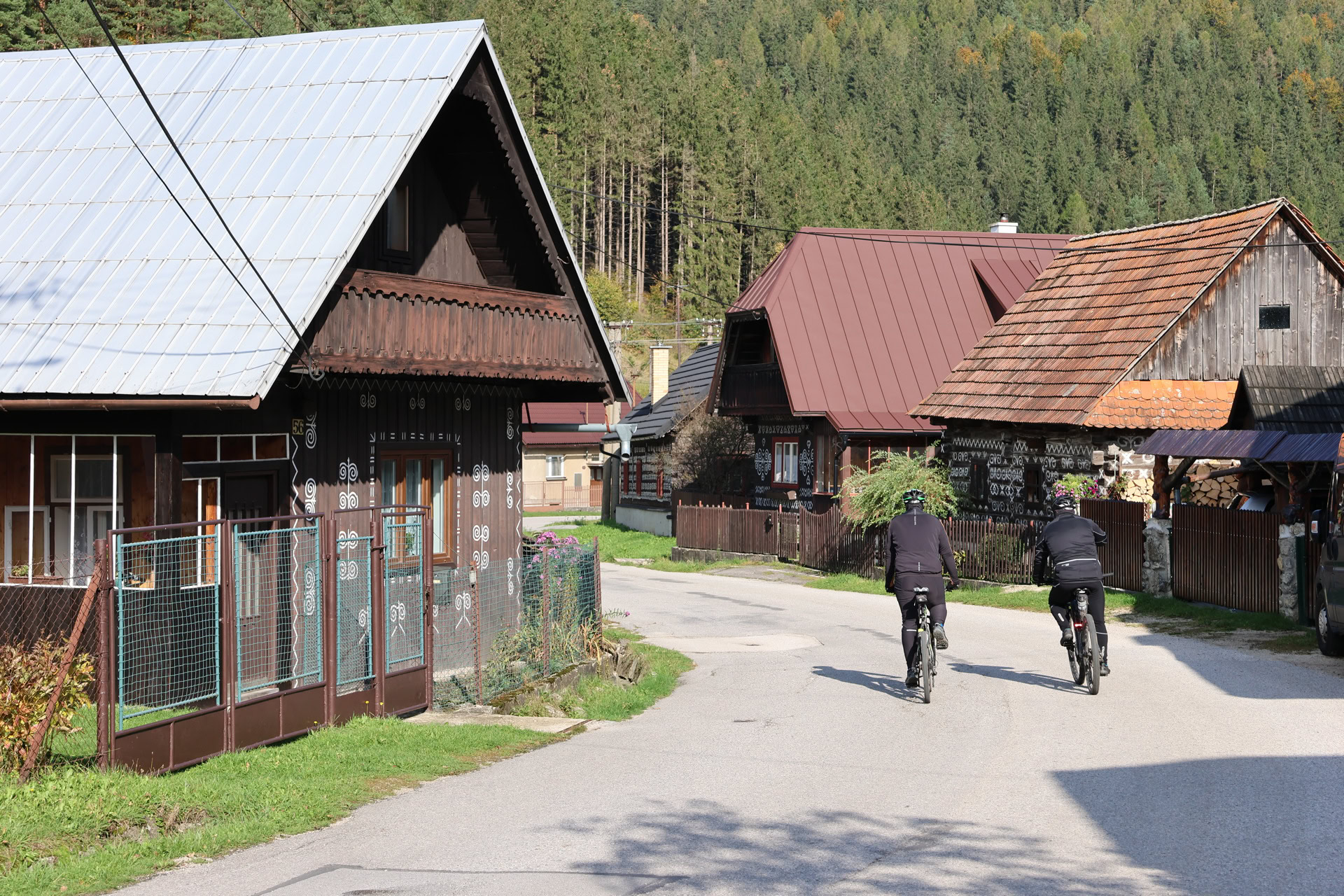
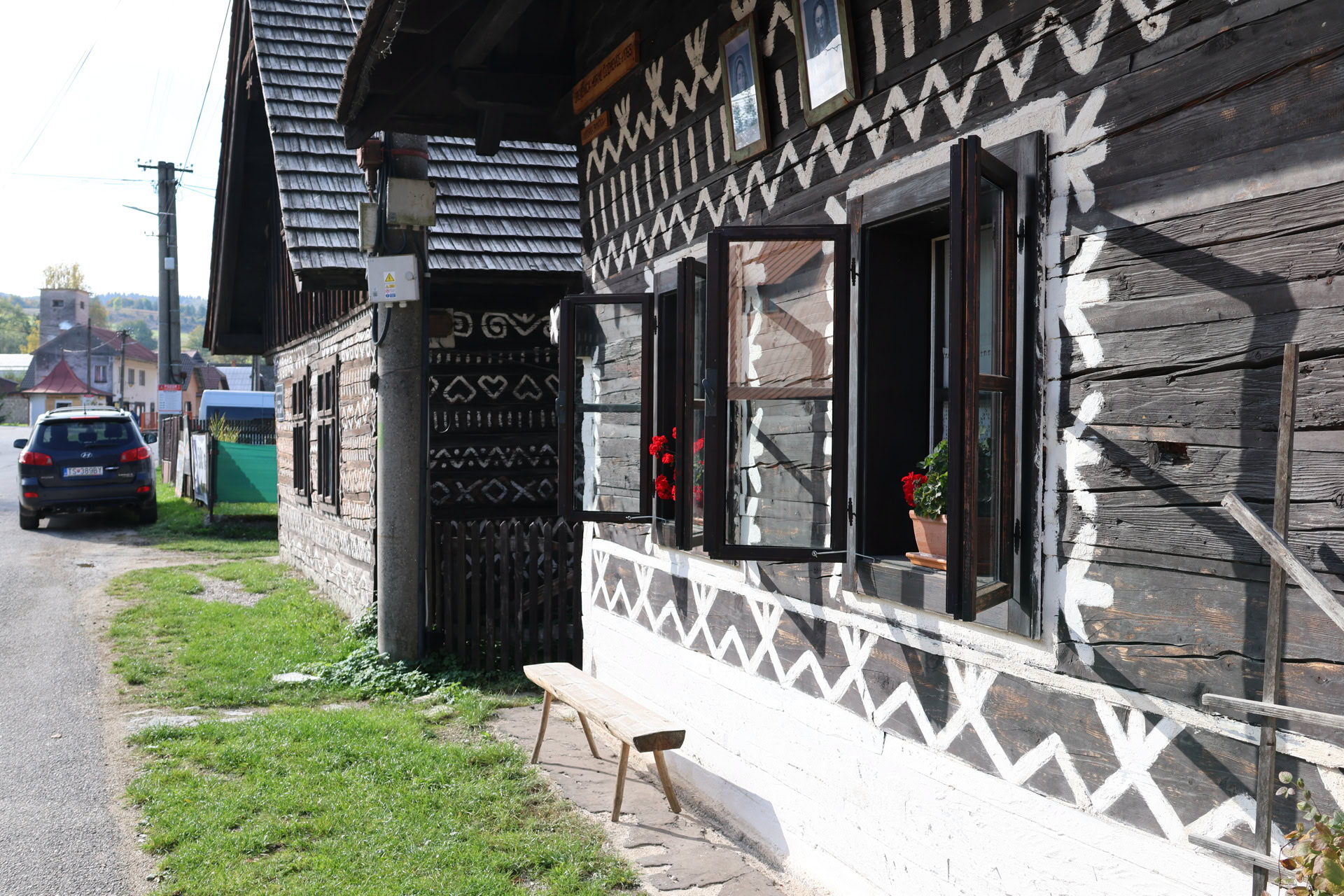
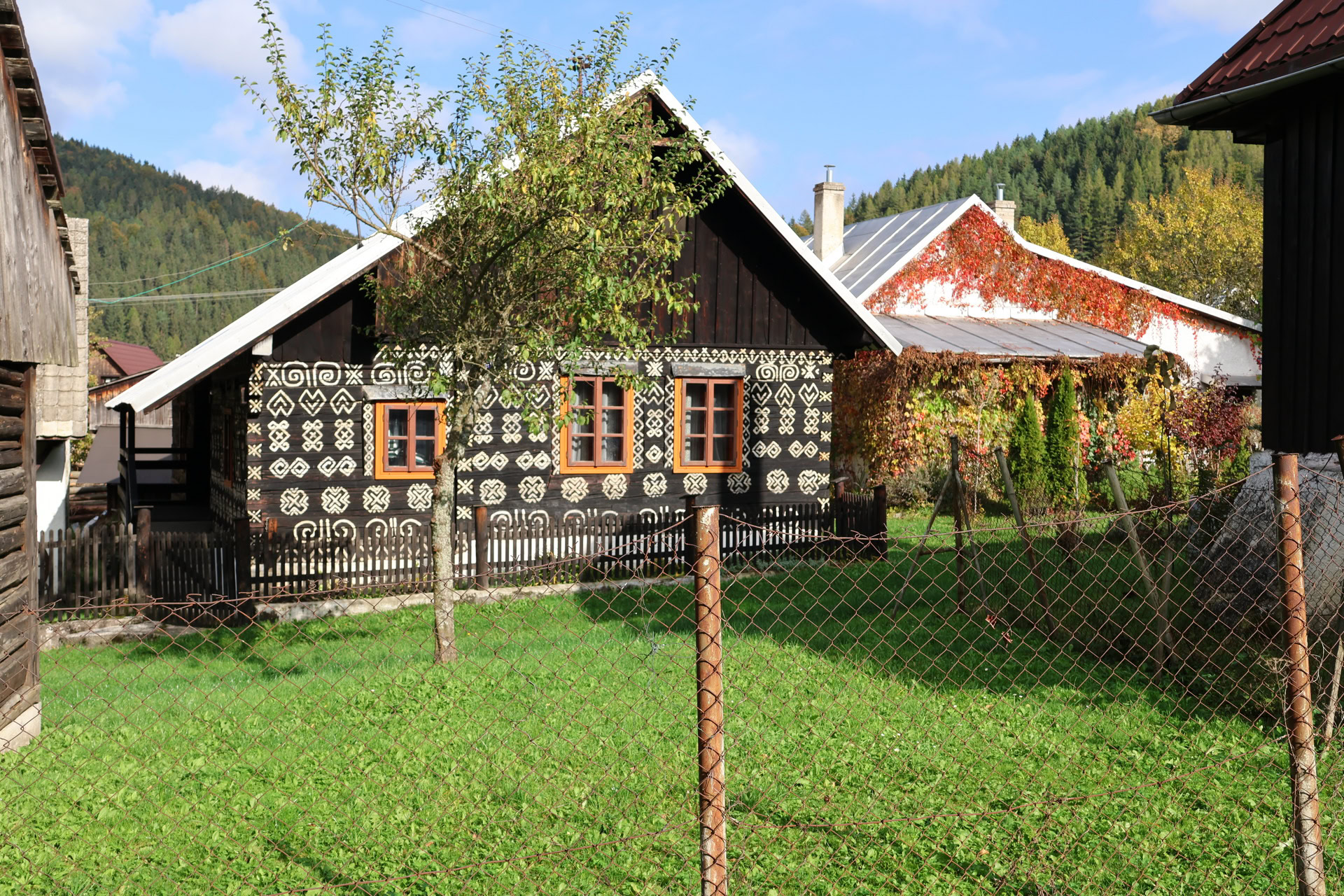
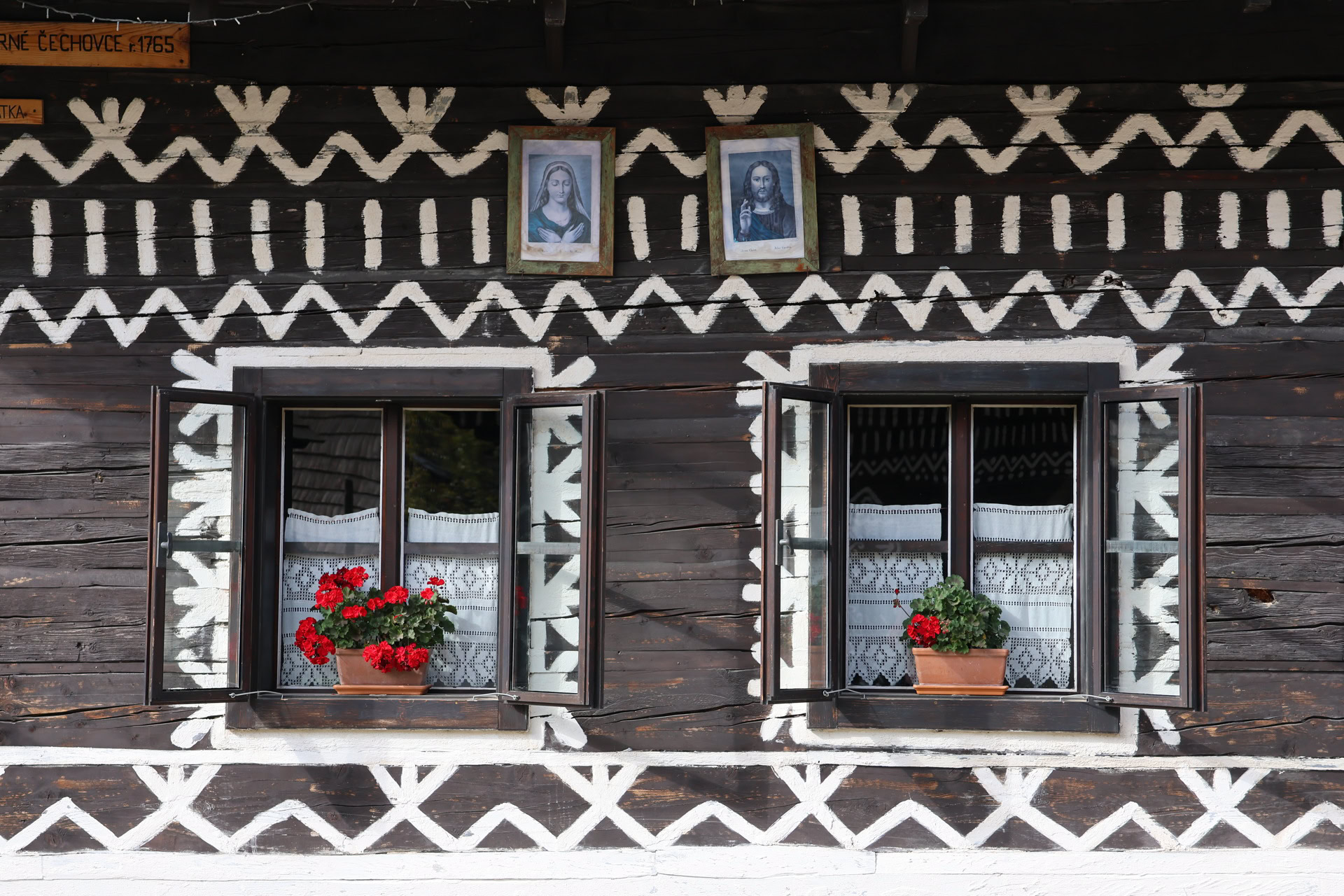
My first stop was just over 200 kilometres north-east of Bratislava in a tiny village called Čičmany. The entire village has been declared a folk architecture reserve despite being a fully functioning residential area. The village dates back to 1272, but suffered a devastating fire in 1921, after which the entire village was restored to its original appearance. Almost every building in the town is built of timber and features decorative lace-like white patterns on the dark wood which are highly distinctive and apparently highly meaningful. Surrounded by the forested mountains of the High Tatras and with few sounds apart from bird calls and footsteps, Čičmany was a truly beautiful place to experience.
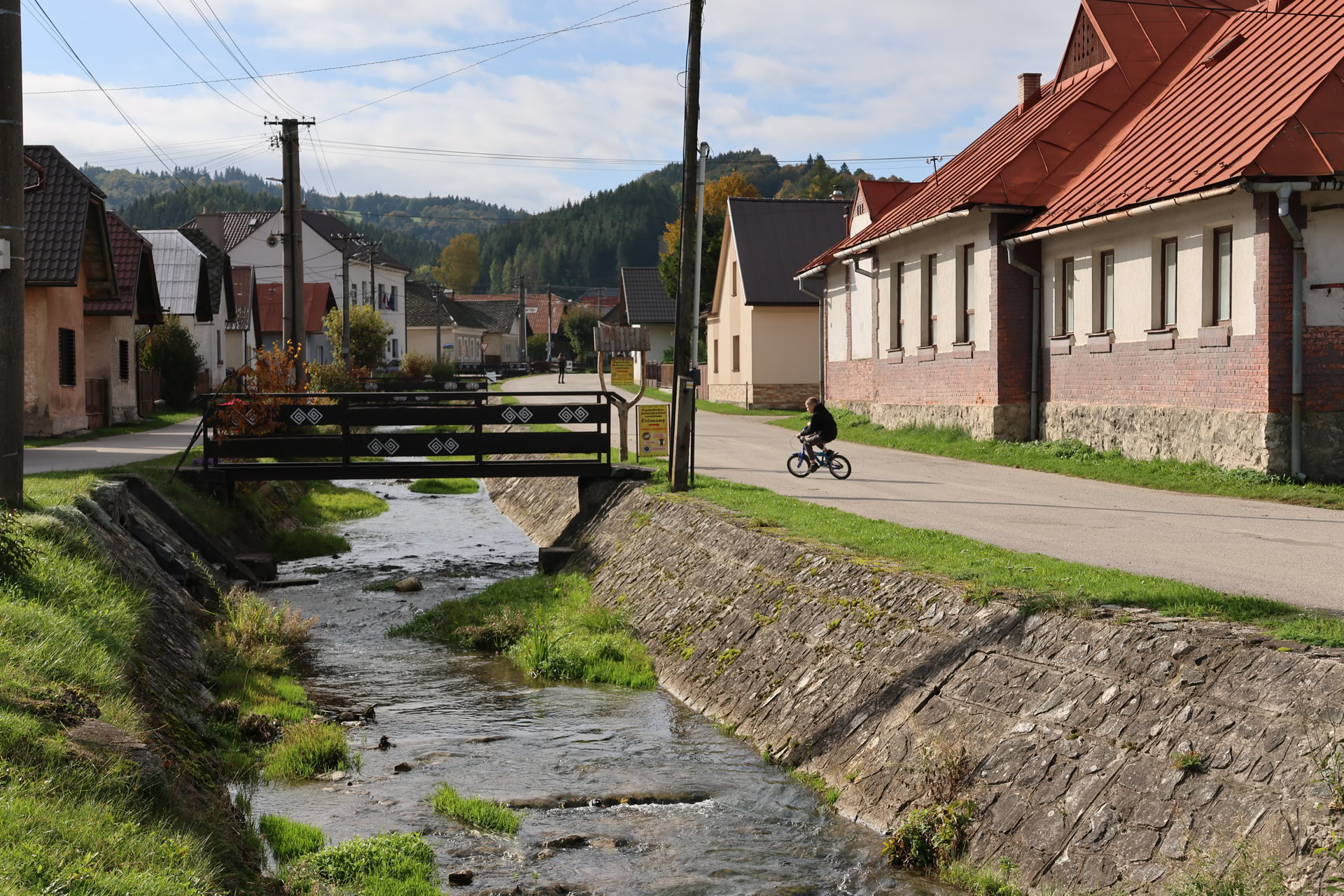
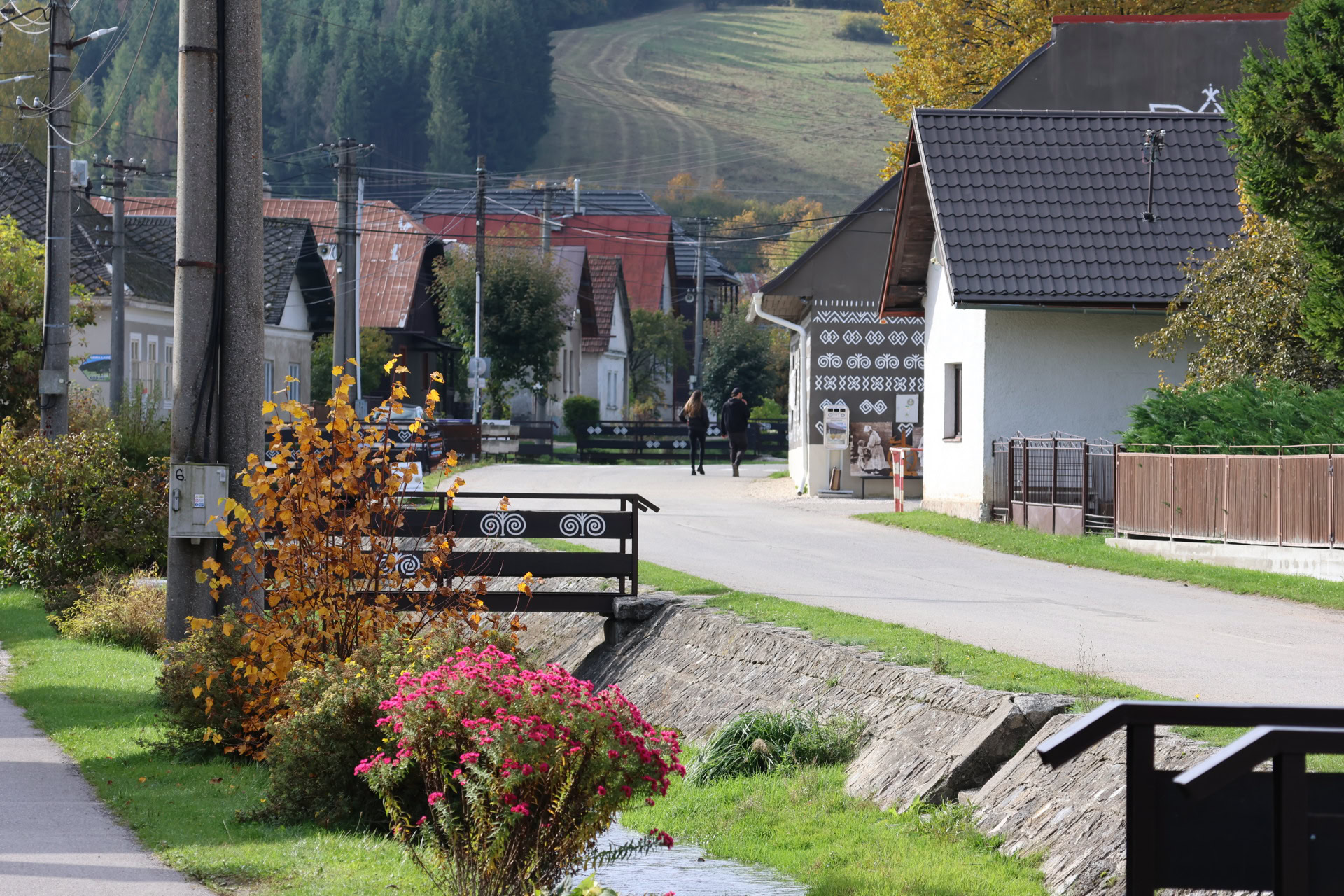
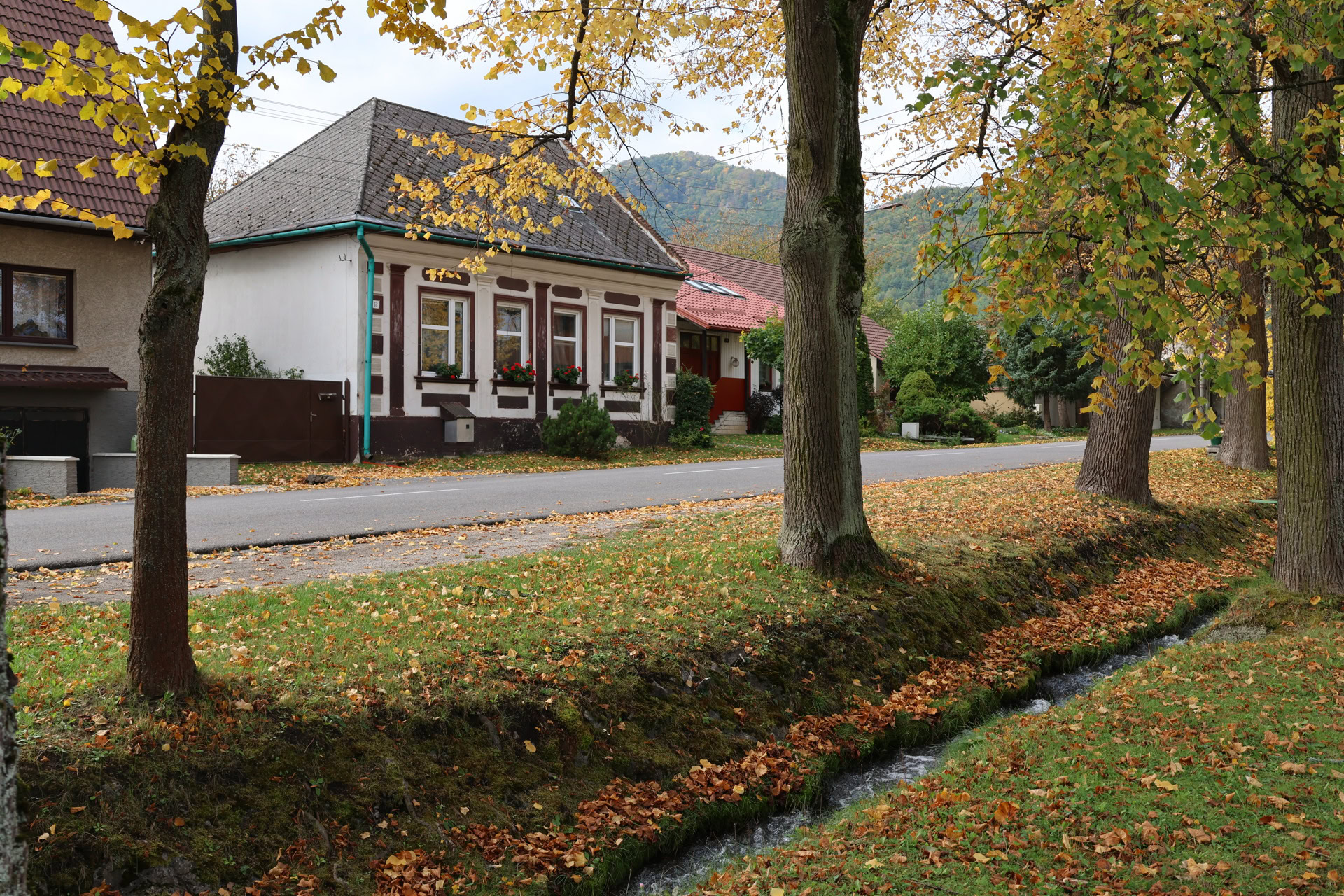
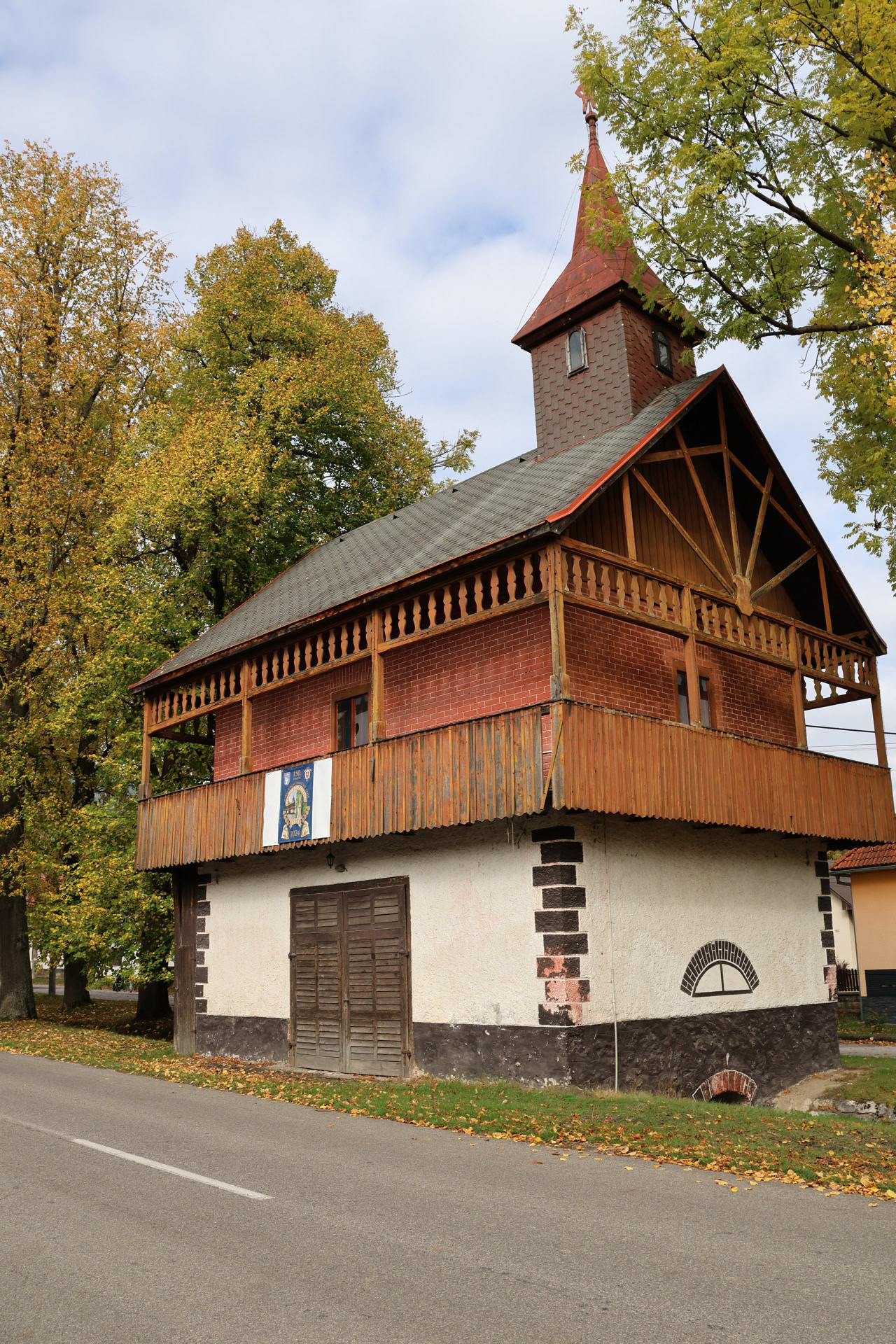
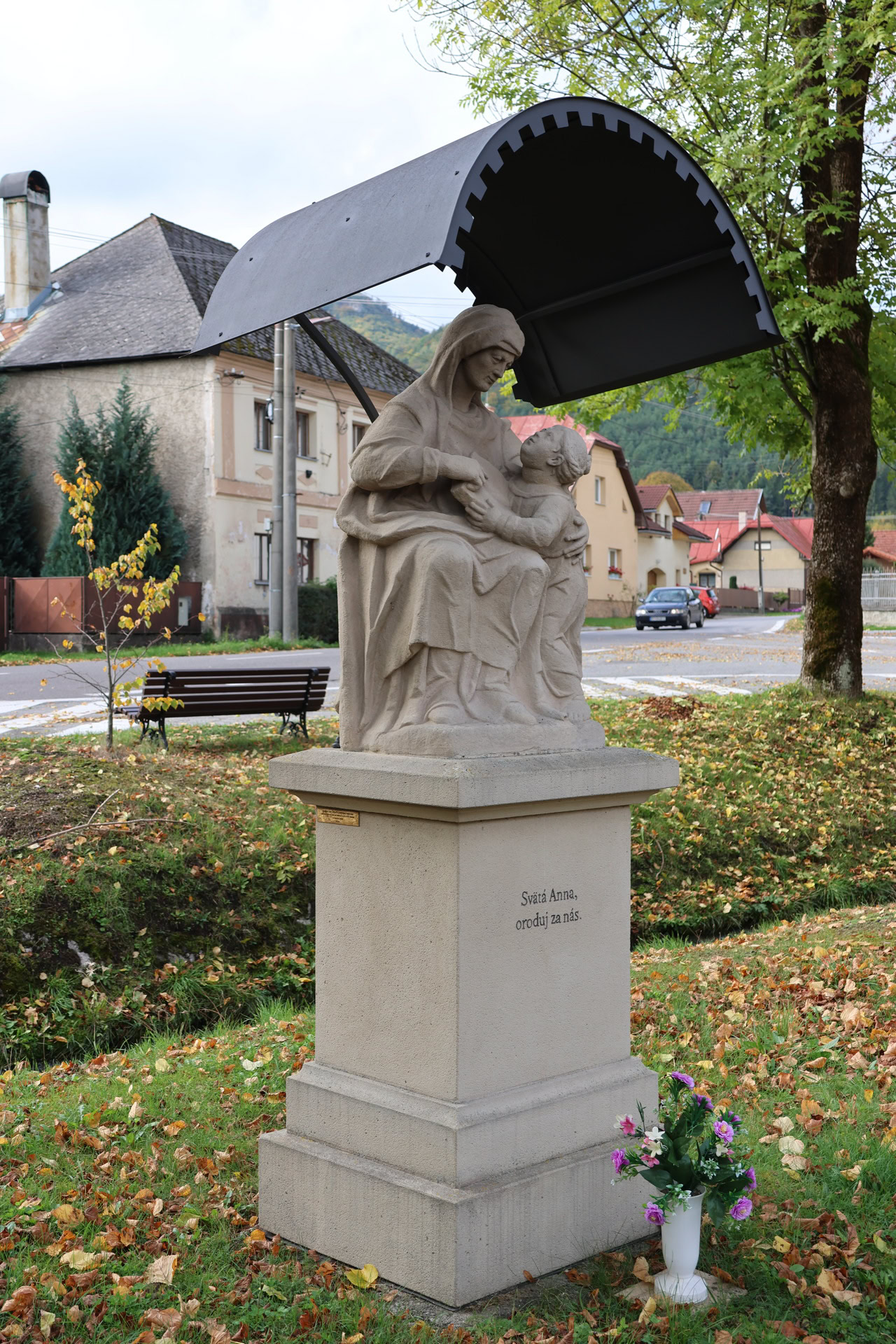
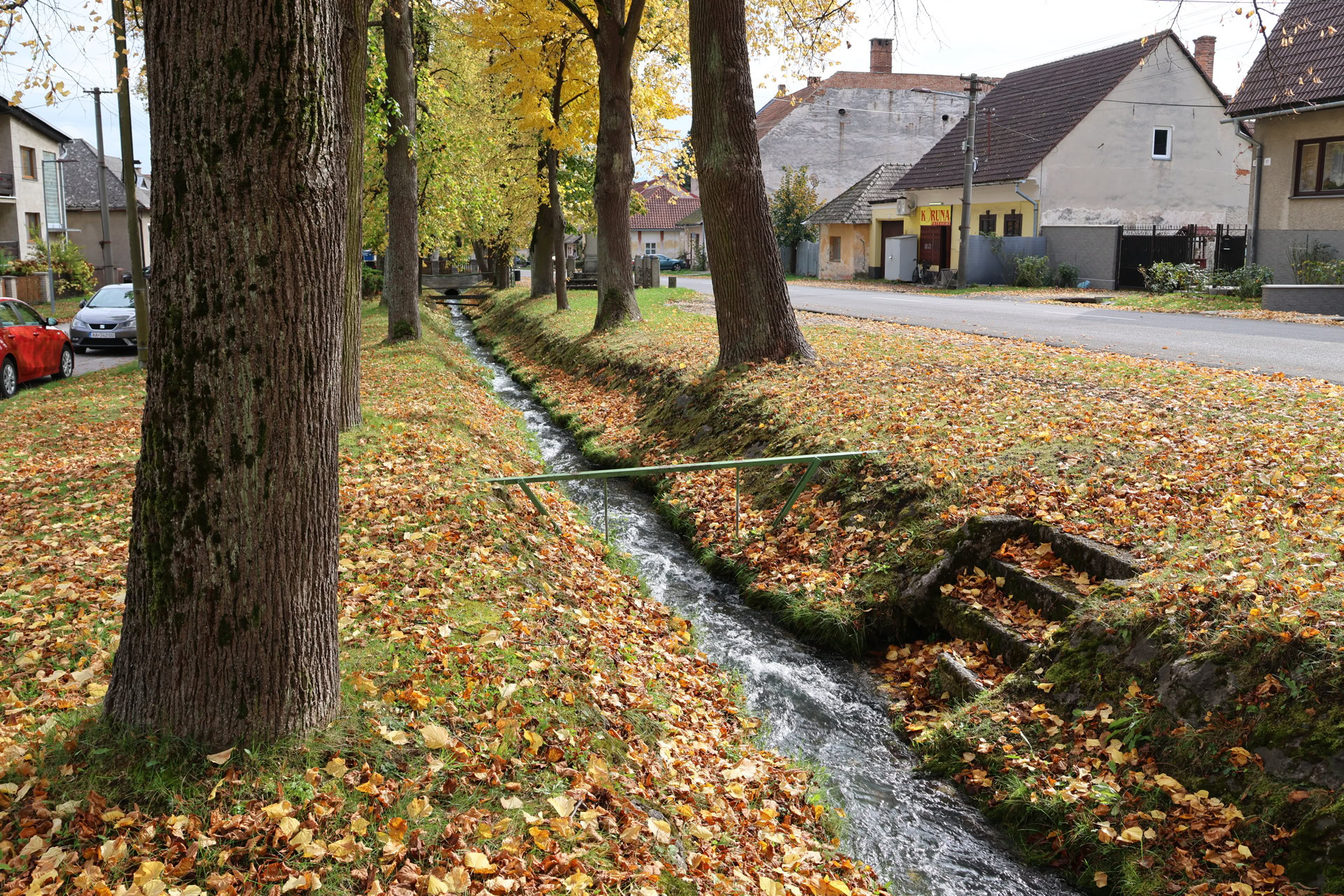
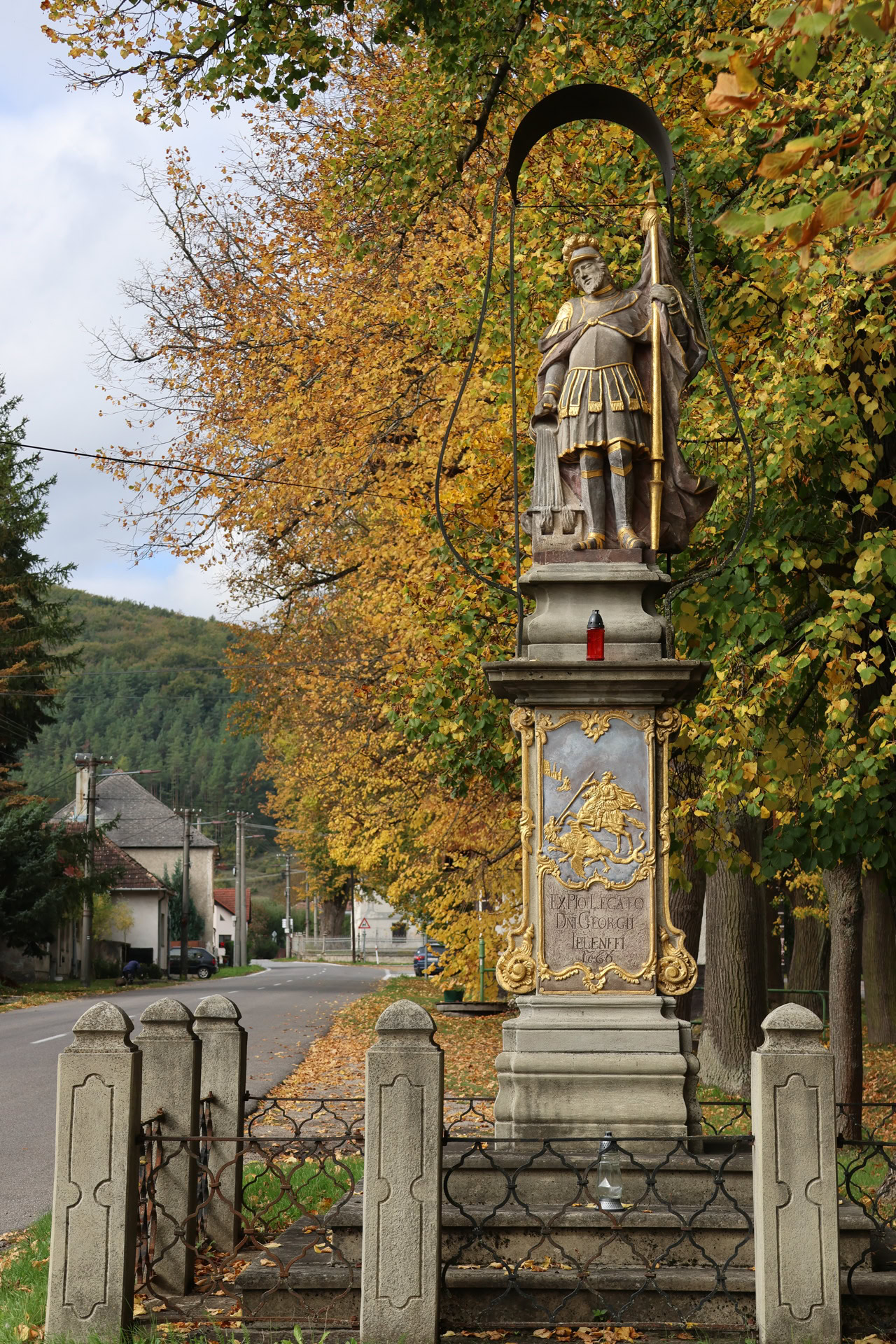
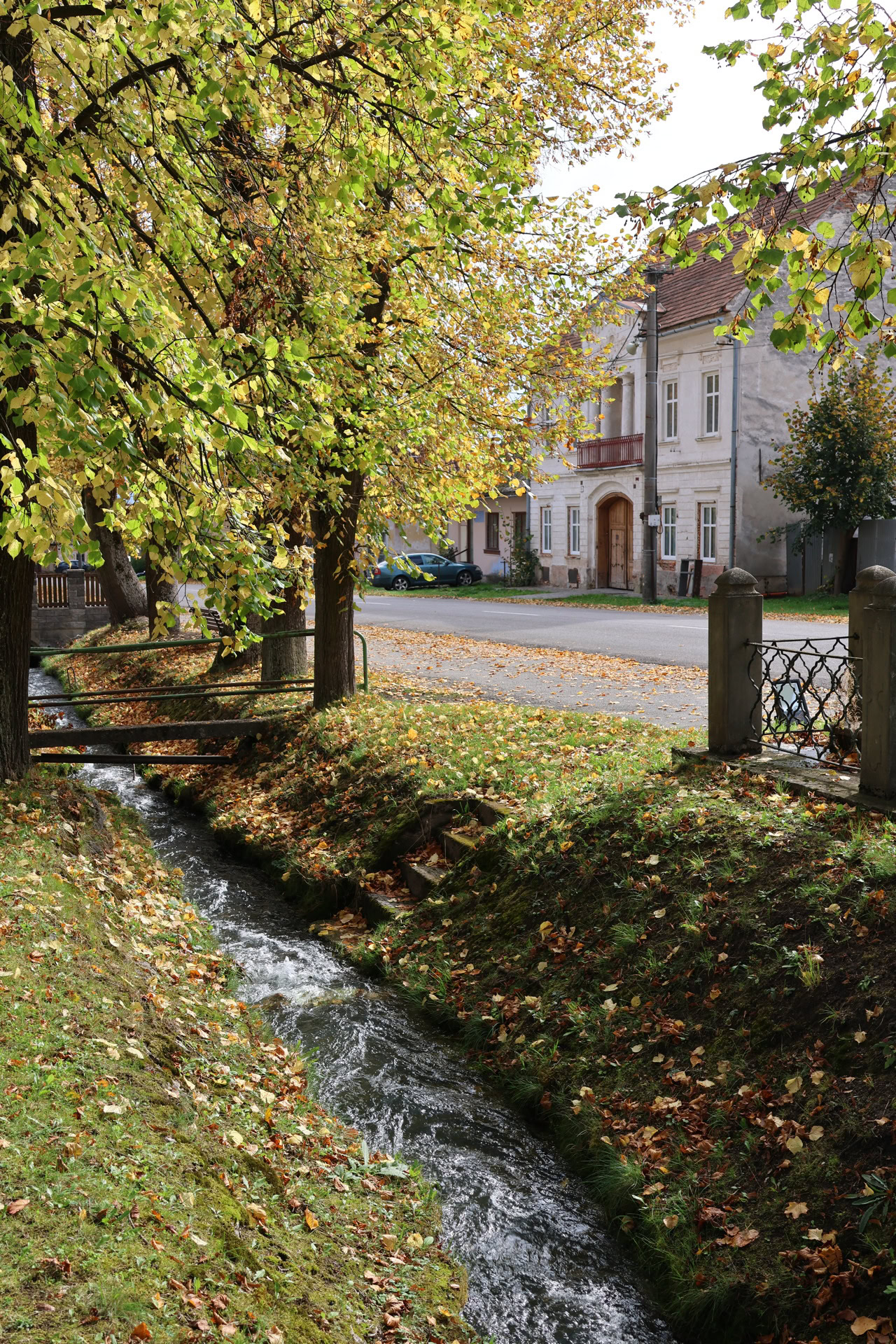
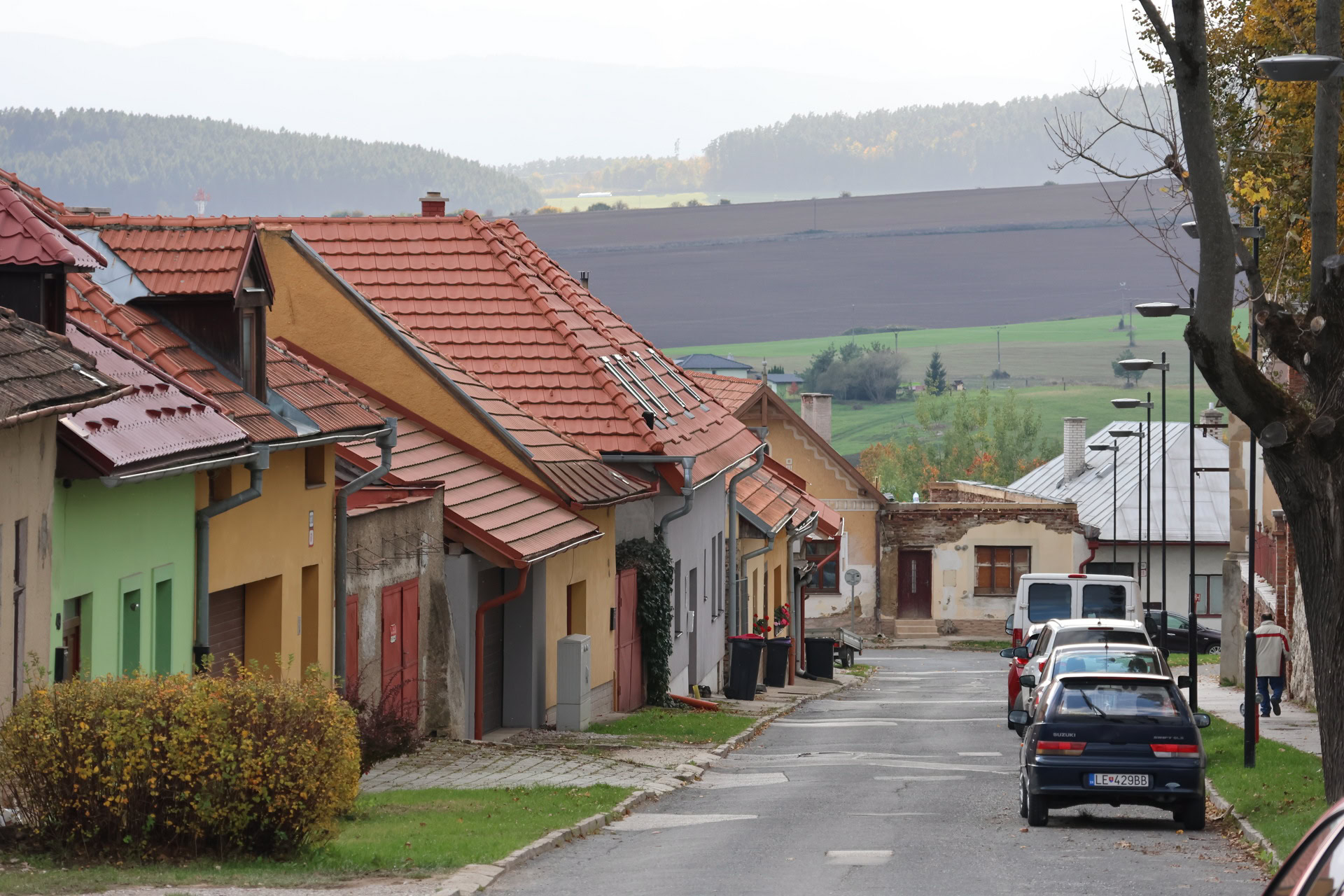
My second stop was unplanned. As I continued my drive through the High Tatras, I came across a village that was so pretty I had to stop and get some photos. The village was Kláštor pod Znievom, a small settlement with a tree-lined stream running through the centre of the town parallel with the main street. In some ways the village was unremarkable, and I doubt it will ever appear in a list of tourist sites in Slovakia, but the combination of old buildings, autumnal vegetation and sense of peace was wonderful to experience.
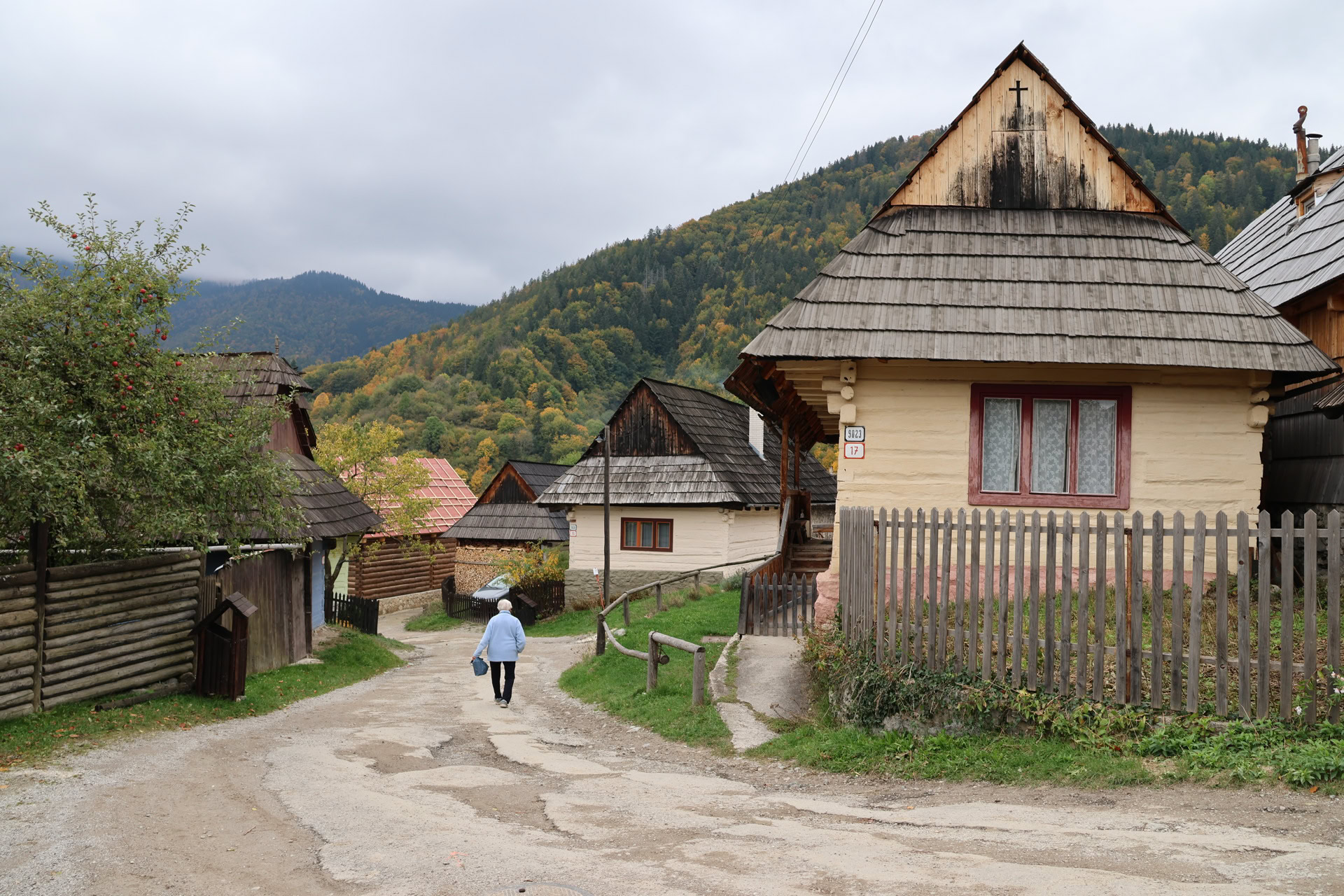
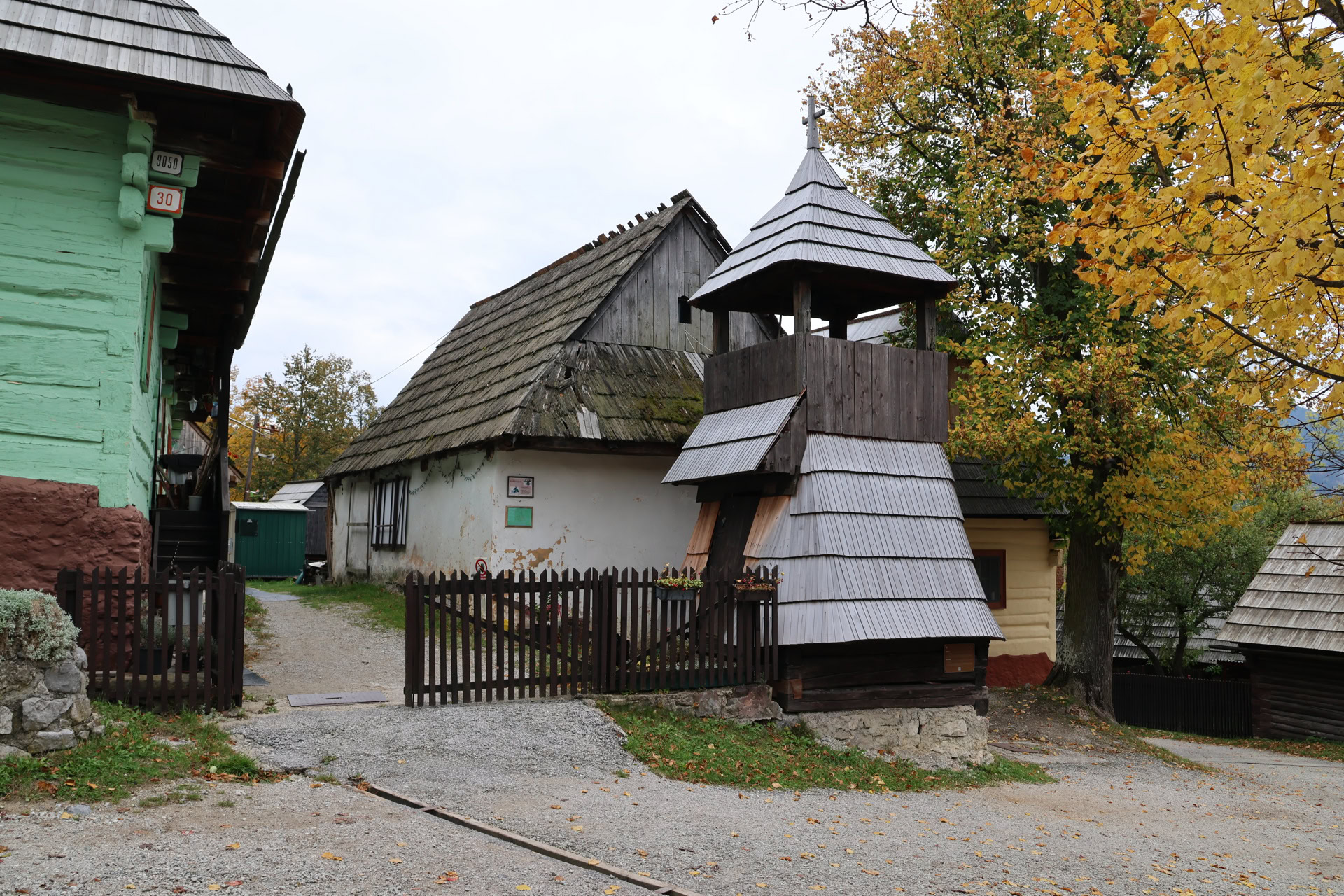
My third stop for the day was about 70 kilometres beyond Kláštor pod Znievom in the village of Vlkolínec. Like Čičmany, Vlkolínec was a functioning village that had been classified as a folk architecture reserve. It was a well-preserved medieval village with wooden houses aligned at right-angles to the unnamed main street that ran up the steep slope of the nearby Sidorov Massif that offered protection against the region’s harsh climate. Being a UNESCO World Heritage site, an entry fee was changed to enter the village.
Although less ornate than Čičmany, Vlkolínec was highly picturesque. In addition to the steeply gabled houses that dominated the village, there were other structures showing traditional peasant life including a town well, a granary, a church and a wooden belfry tower. The village was so small and its morphology so simple that it was impossible to get lost, and despite the grey clouds that were building up in the sky overhead, my visit was really enjoyable.
My final stop and destination for the day was a further 120 kilometre drive to the east, the UNESCO World Heritage listed town of Levoča. Set on a hill overlooking a wide valley, Levoča is a walled town with a current population of about 14,000 people. As I entered the town I drove around the well-preserved city walls and into the historic centre where my room for the night was located, apparently opposite the old town hall. The problem was that my accommodation, the Residence Spillenberg, was nowhere to be seen. There were no signs on any of the old buildings where my accommodation was supposed to be, and most were securely locked (which was fair enough as it was late on Saturday afternoon). I didn’t even know what the building was supposed to look like because the website I had used to make the booking showed only the interior of a room.
To cut a long story short, I eventually discovered a small (but closed) café in the entry corridor of one of the old buildings with a woman (presumably the owner) just sitting and smoking a cigarette. I asked her about “Residence Spillenberg”, and without saying anything, she made a phone call and gestured for me to wait – which I did for the next 20 minutes. Eventually a car pulled up in the street outside, an old lady got out and gestured for me to follow her to a thick wooden door at the side of the covered corridor. Then, without any common language between us, she led me upstairs, gave me a key that was about 20 centimetres long for the thick door in case I wanted to re-enter the building after leaving for a walk, and showed me to my large room which had the dark, poorly lit décor of a medieval castle. With no English she was able to communicate that the hot water would not be working and that no food would be available for me, either tonight or in the morning.
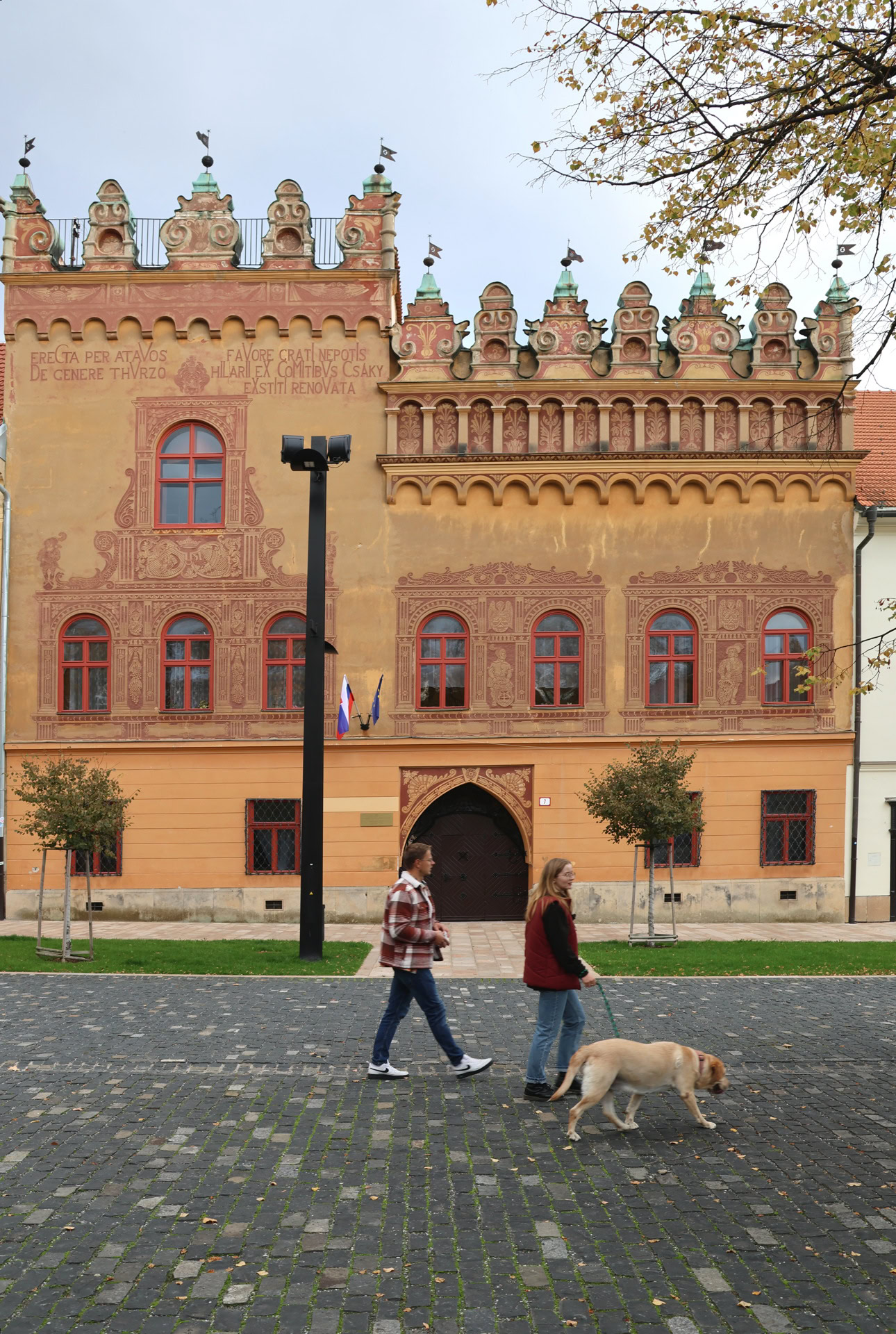
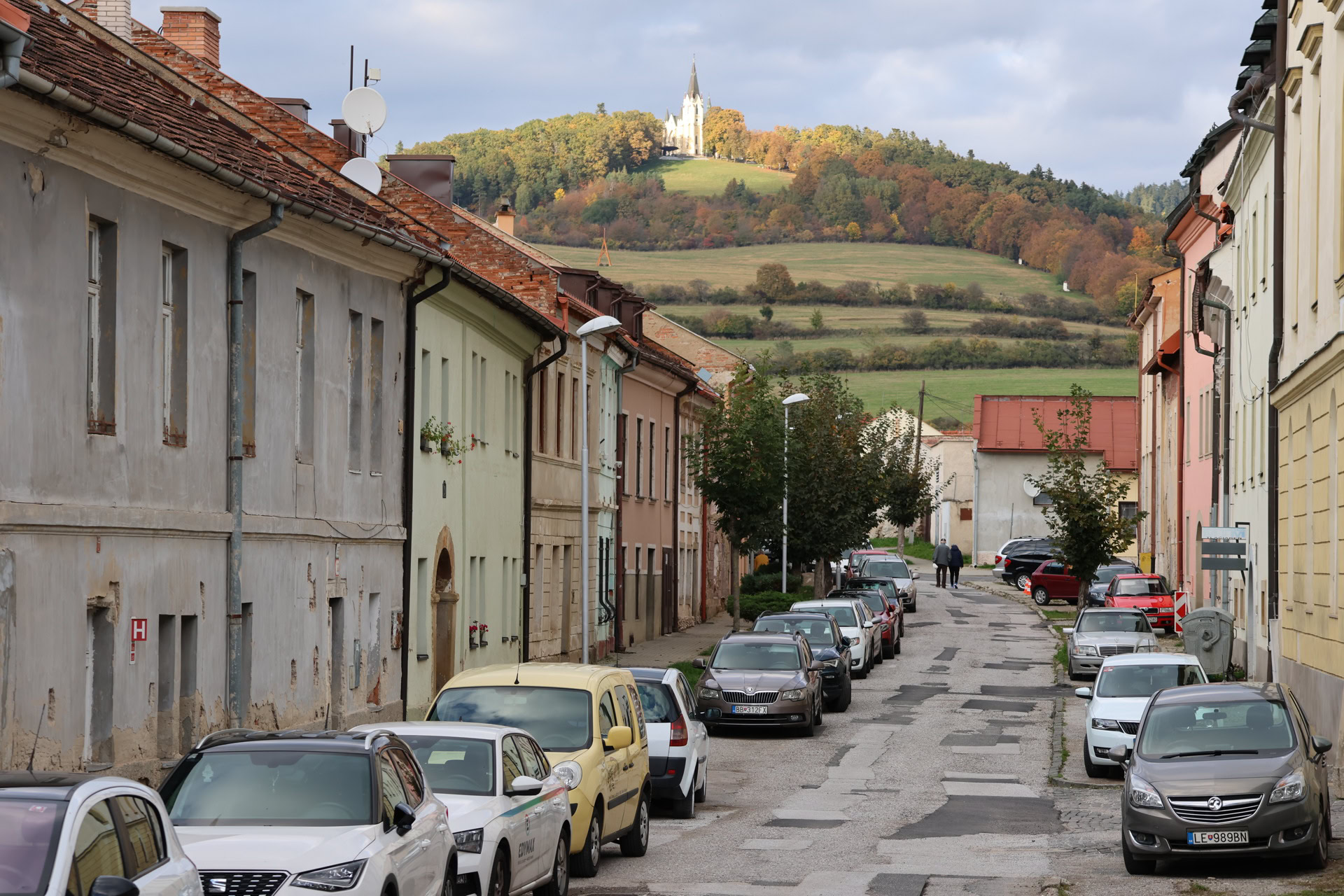
Now that I was oriented to my accommodation, I decided to go for a late afternoon walk through the town. The town was beautiful, especially in the golden light of the late afternoon which highlighted the autumn colours of the trees. Fortunately I wasn’t hungry as there was nowhere open to buy food – no supermarket and not even the town’s hotel.