Sunday 20 October 2024
Budapest

The IB conference finished last night. On my way back home to Australia, I was due to attend another conference, this time in Bangkok (Thailand) for EARCOS (the East Asia Regional Council of Schools). My flight schedule gave me one more day – today – in Budapest before my departure, and as the weather was perfect for walking, I decided to do some more exploring. I wanted to walk through areas I had not previously focussed upon, and the result was a fabulous 12.6-kilometre Sunday walk.
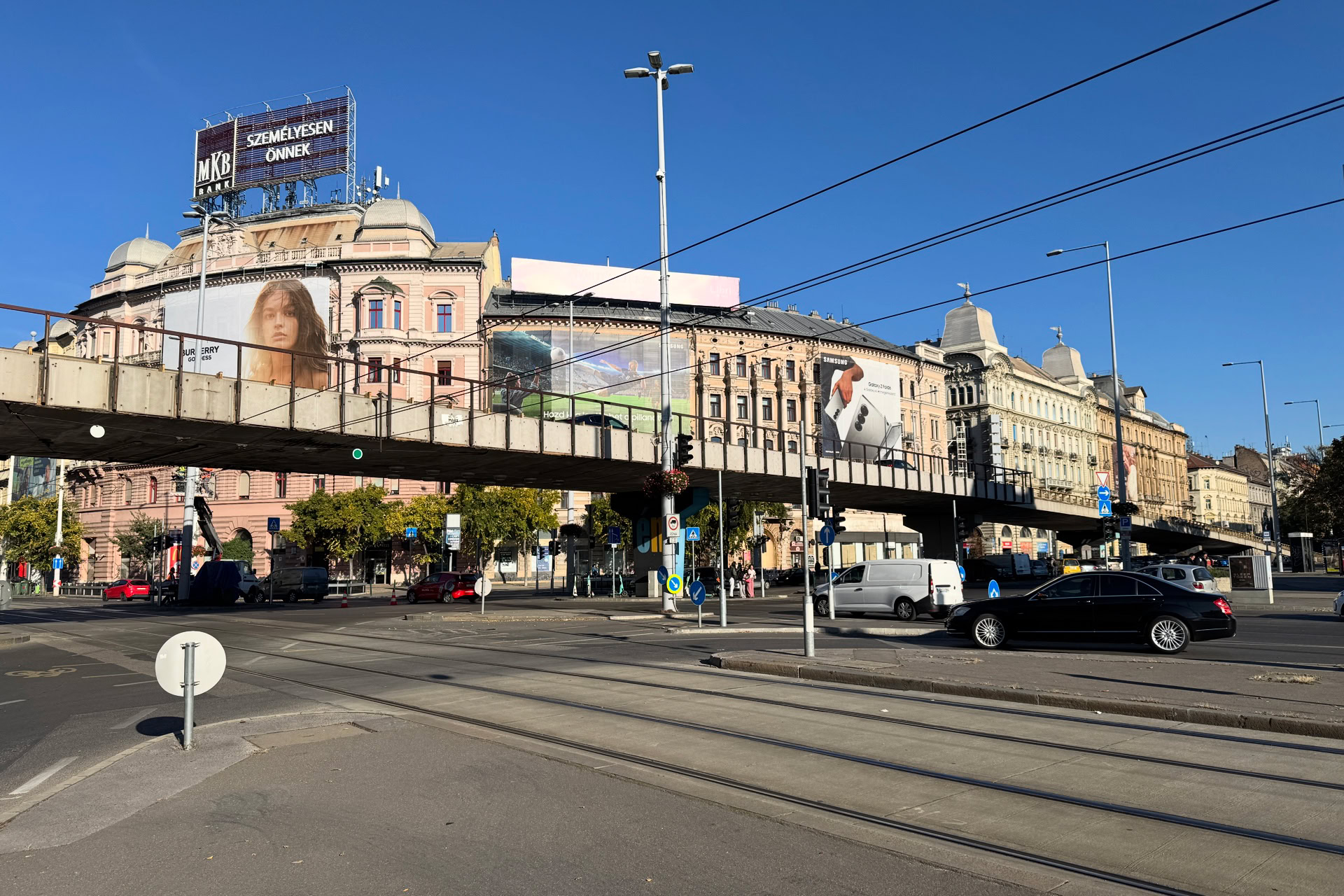
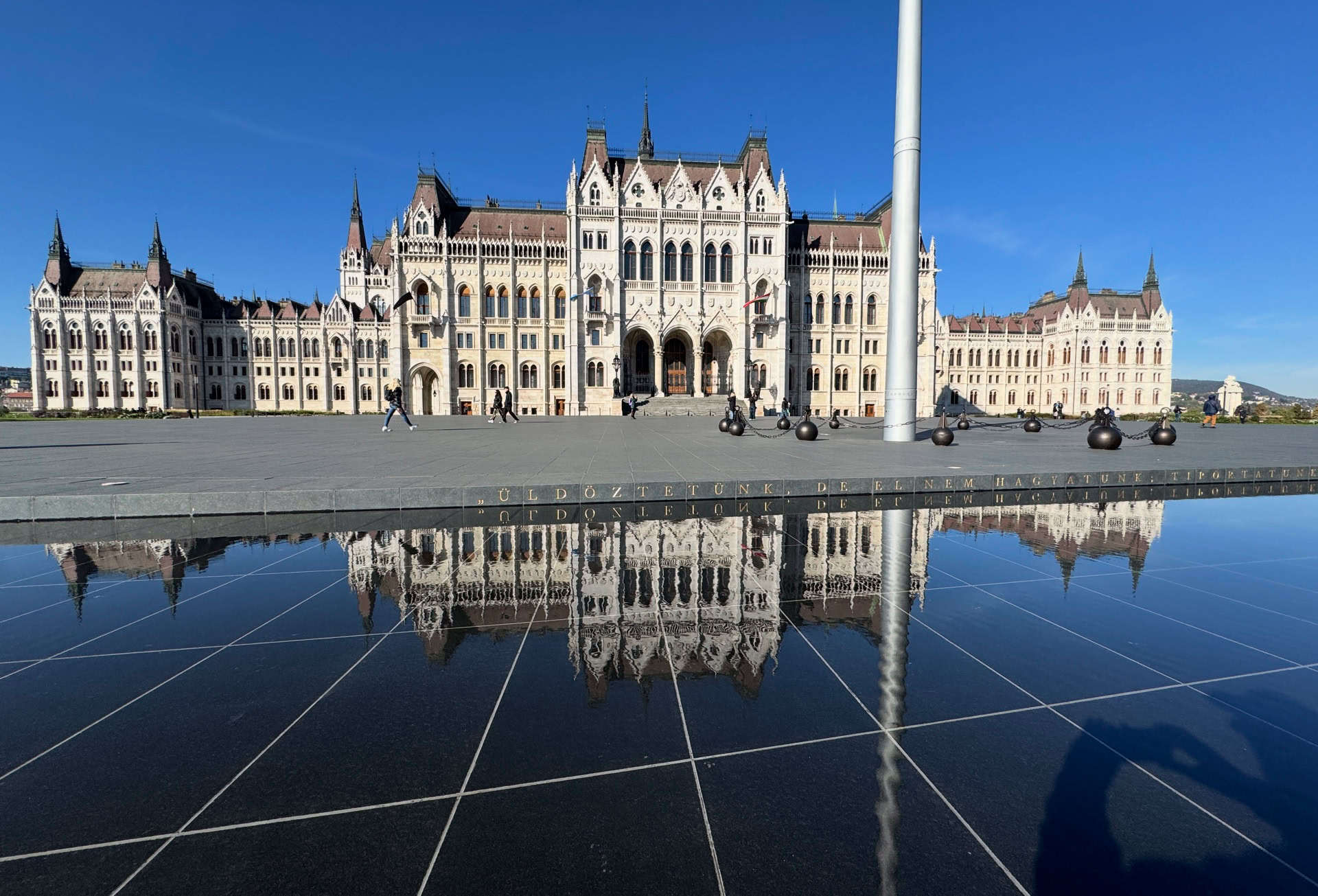
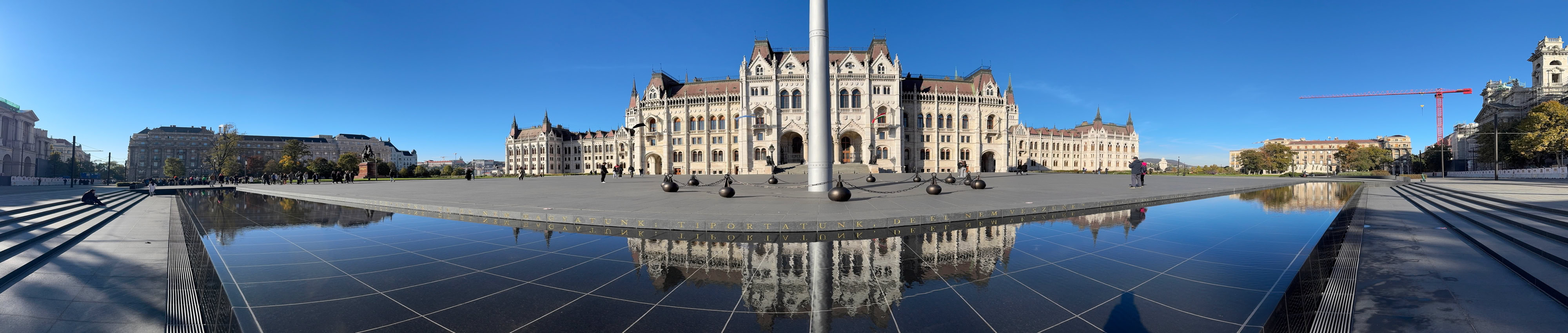
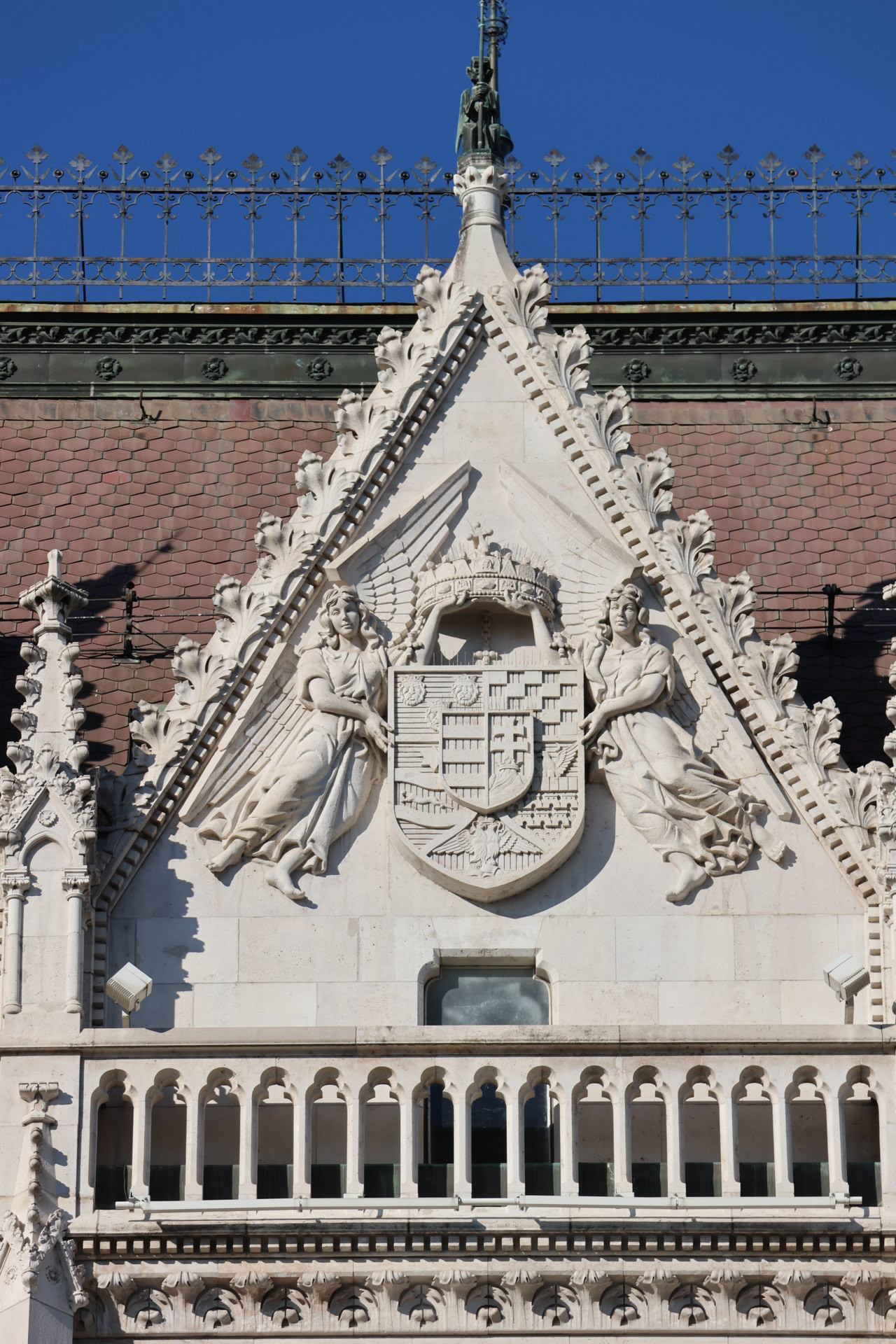
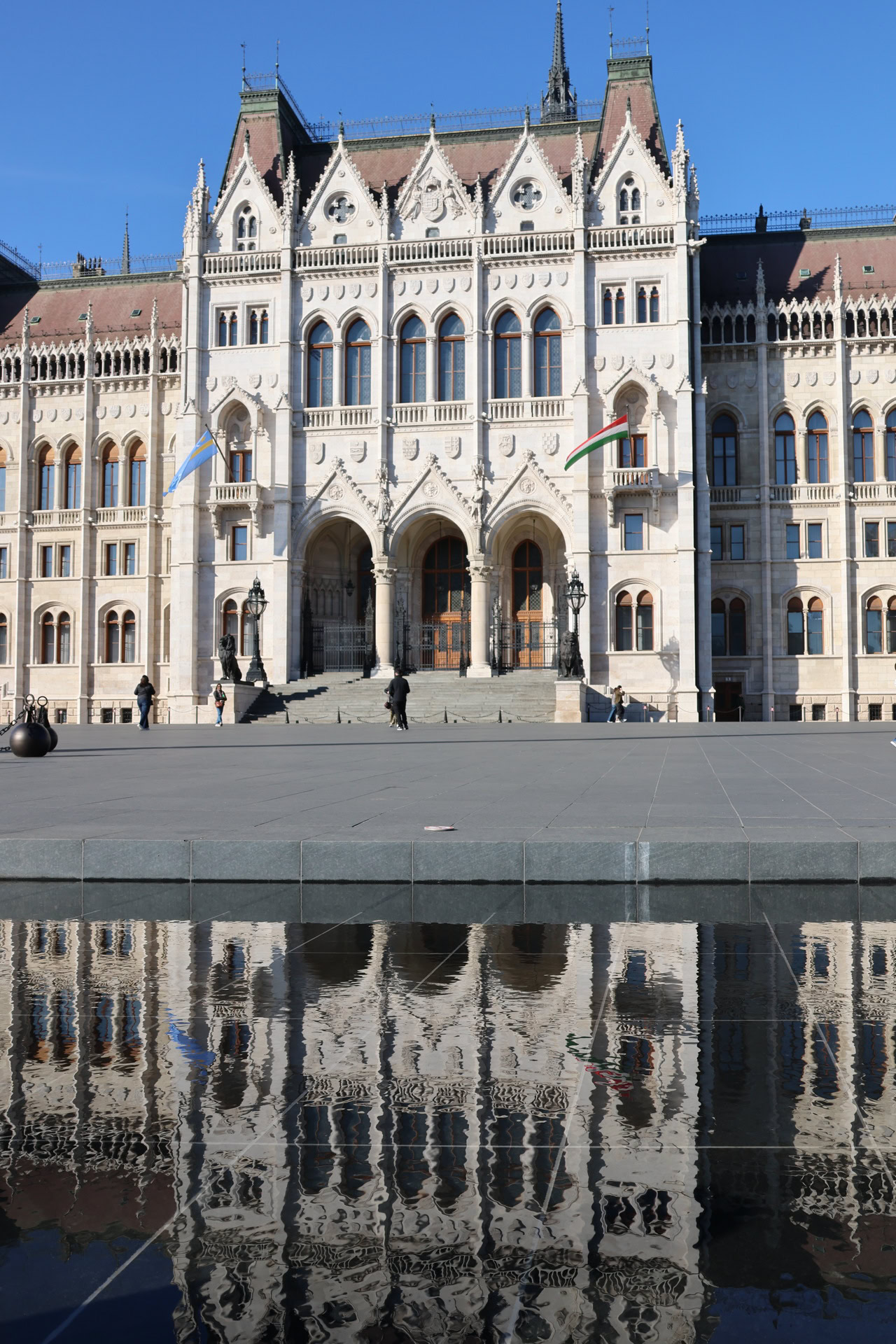
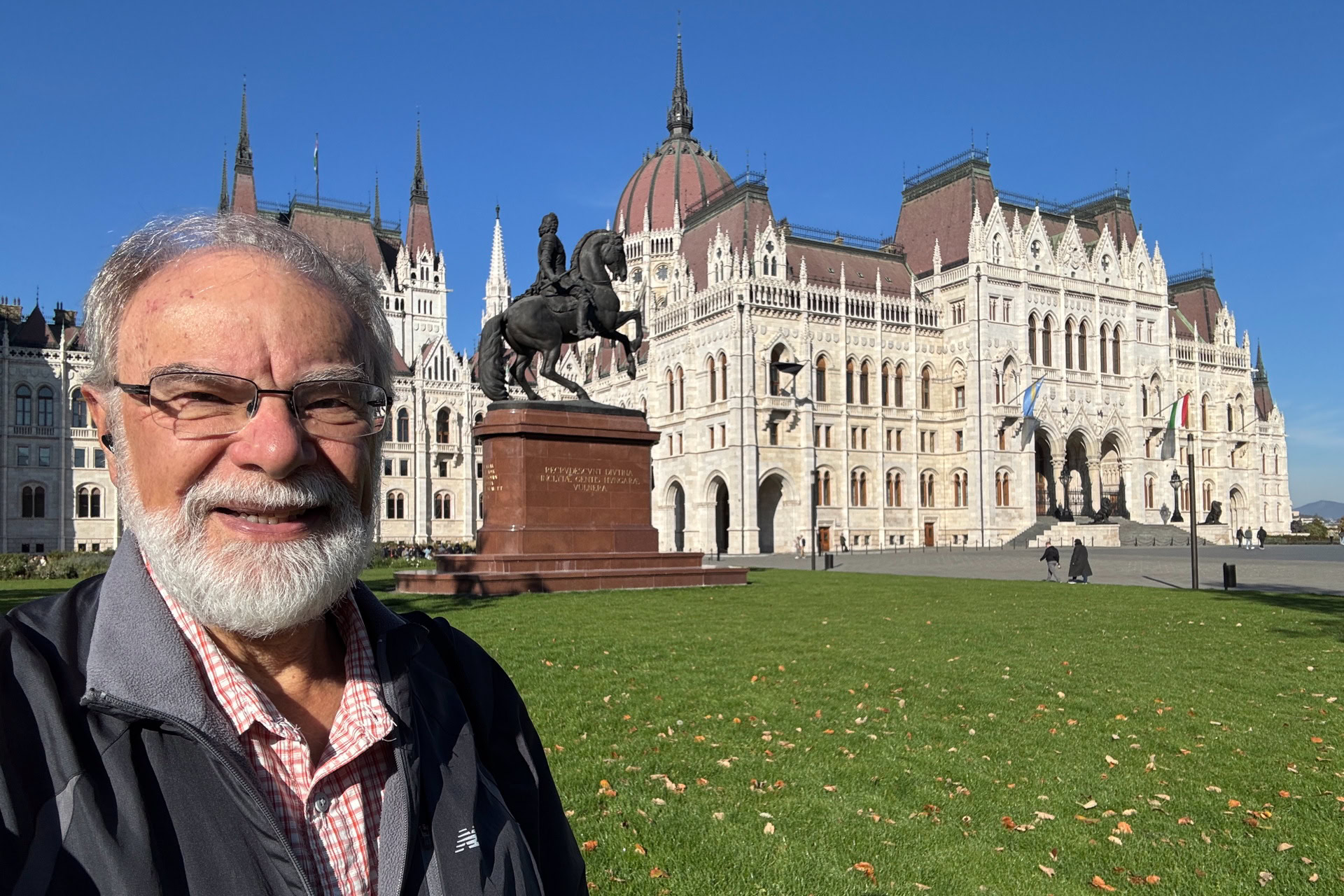
I began by walking south from the Crowne Plaza Hotel along Váci Street through the Nyugati Pályaudvar interection that by now had become so familiar to me, and southwards along Bajcsy-Zsilinsky Street. I turned right (i.e. west) into Alkomány Street, which brought me to Kossuth Lajos Square, a grand open space with an almost overwhelmingly majestic view of the front of Hungary’s Parliament Building. I had often admired the Parliament Building from the other side of the Danube River, but this was the first time I had seen the building from the front. Bathed in the clear morning light, it was a phenomenal sight.
Such a grand site demanded several circuits to get photos and to take in the grandeur of the building and its surrounds. Being a Sunday morning, the crowds were pleasingly thin, and there was no sense of being overwhelmed by other sightseers – just the time and space to appreciate the scale and majesty of the place.
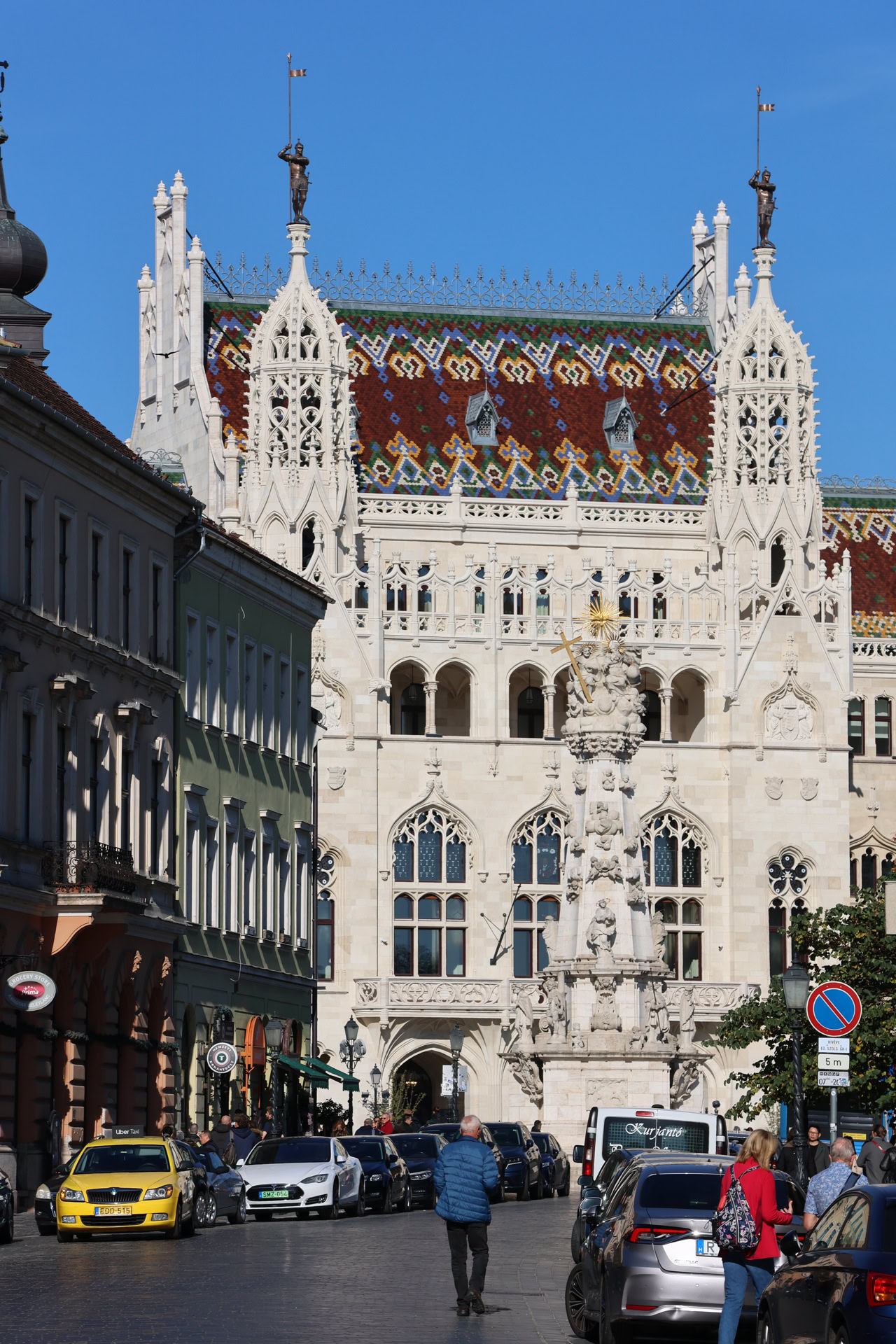
In some ways I felt I could have stayed there all day, but I eventually moved on, following the eastern bank of the Danube River and walking southwards along the embankment between the river and Antall Jósef Senior Quay. When I reached the Széchenyi Lánchíd Bridge, I turned right (i.e. west) to cross the Danube River and then proceeded up Dsz Terrace and Tárnok Street towards Holy Trinity Statue at the top of Castle Hill.
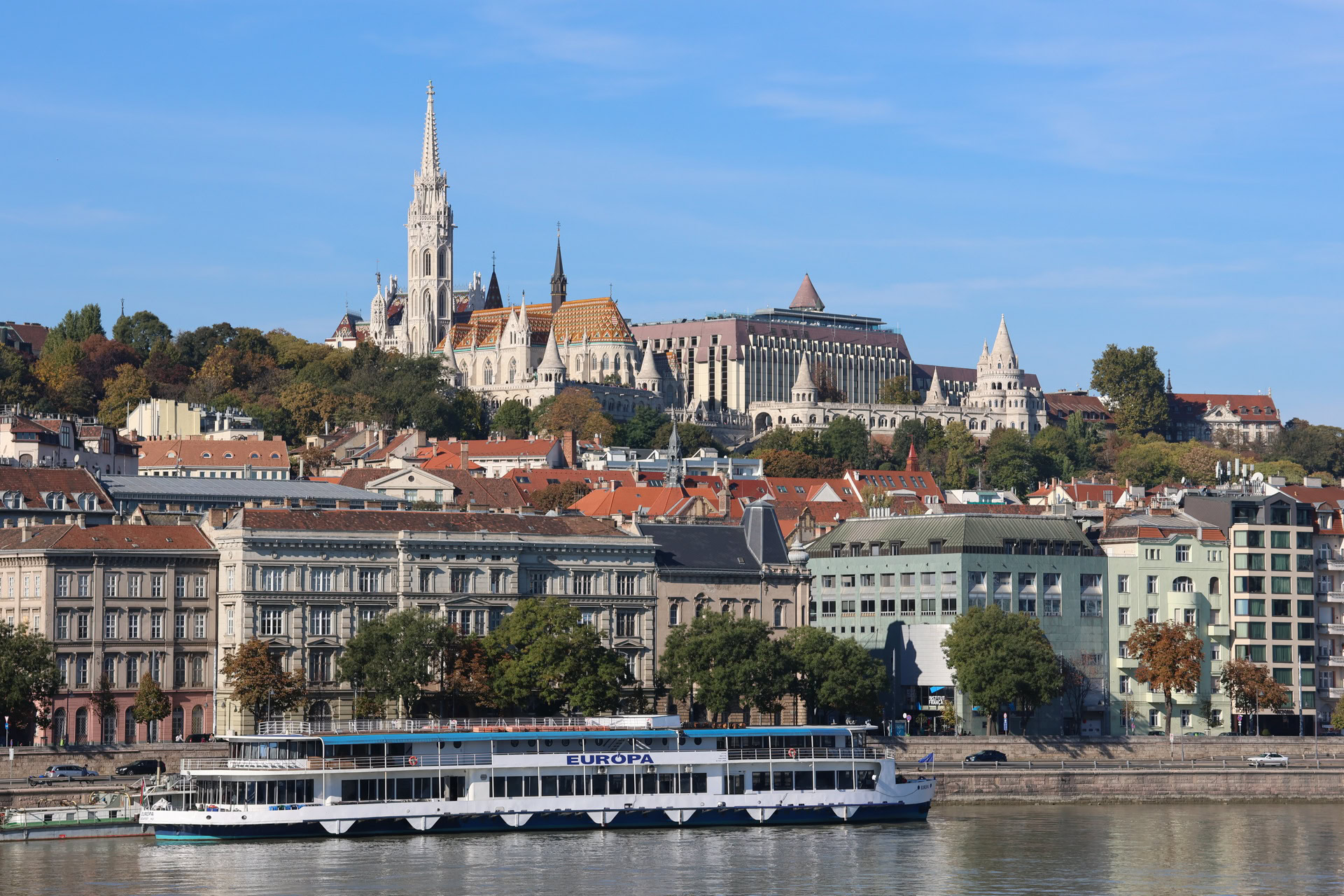
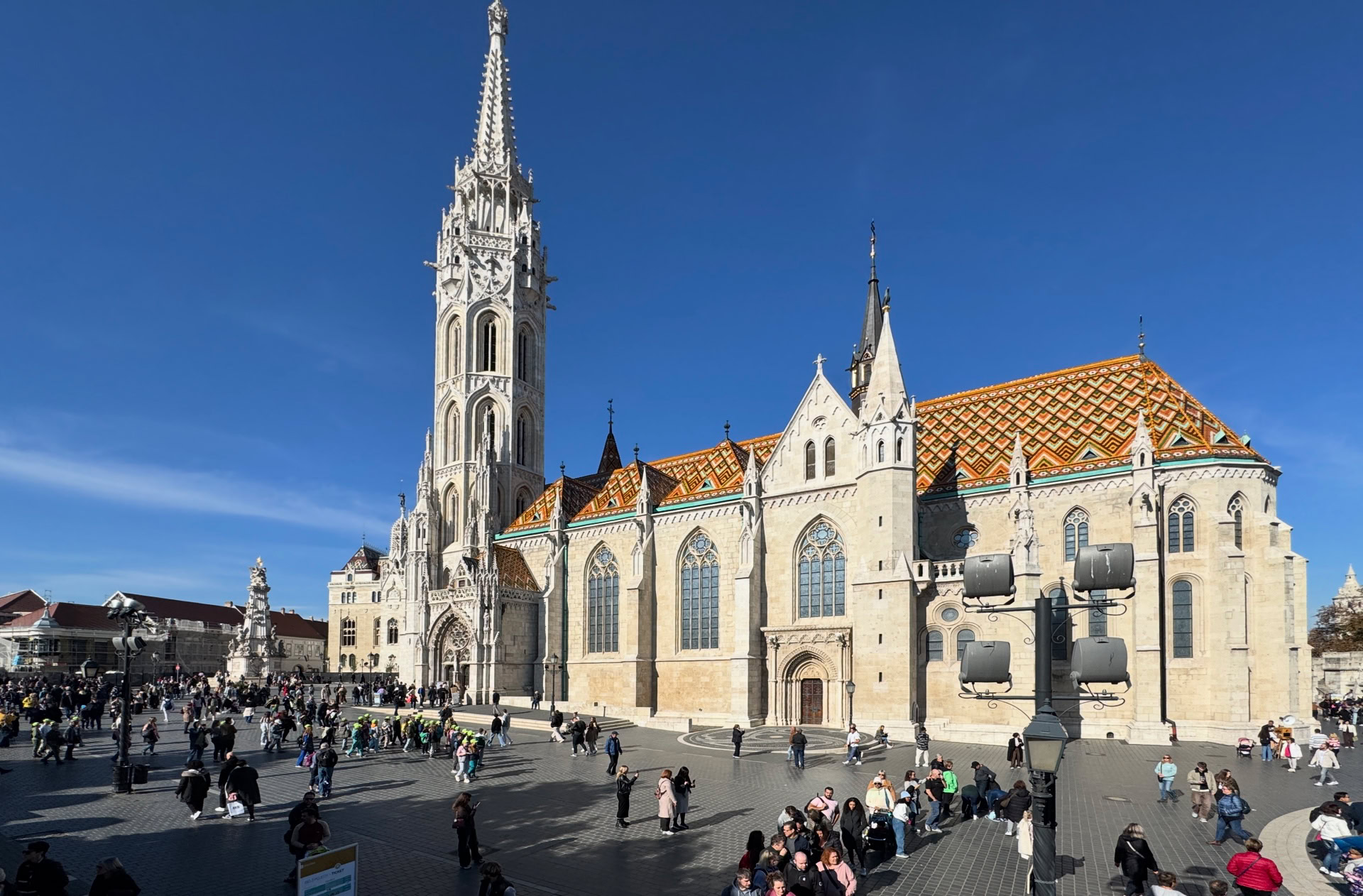
The morning light was still wonderful, so I spent some time exploring the buildings on Castle Hill – the Fisherman’s Bastion, the turreted fortress structures, the Ministry of Interior Building, the Church of Our Lady, and so on – as well as taking in the views across the Danube to Pest, the part of Budapest on the flat, eastern side of the river.
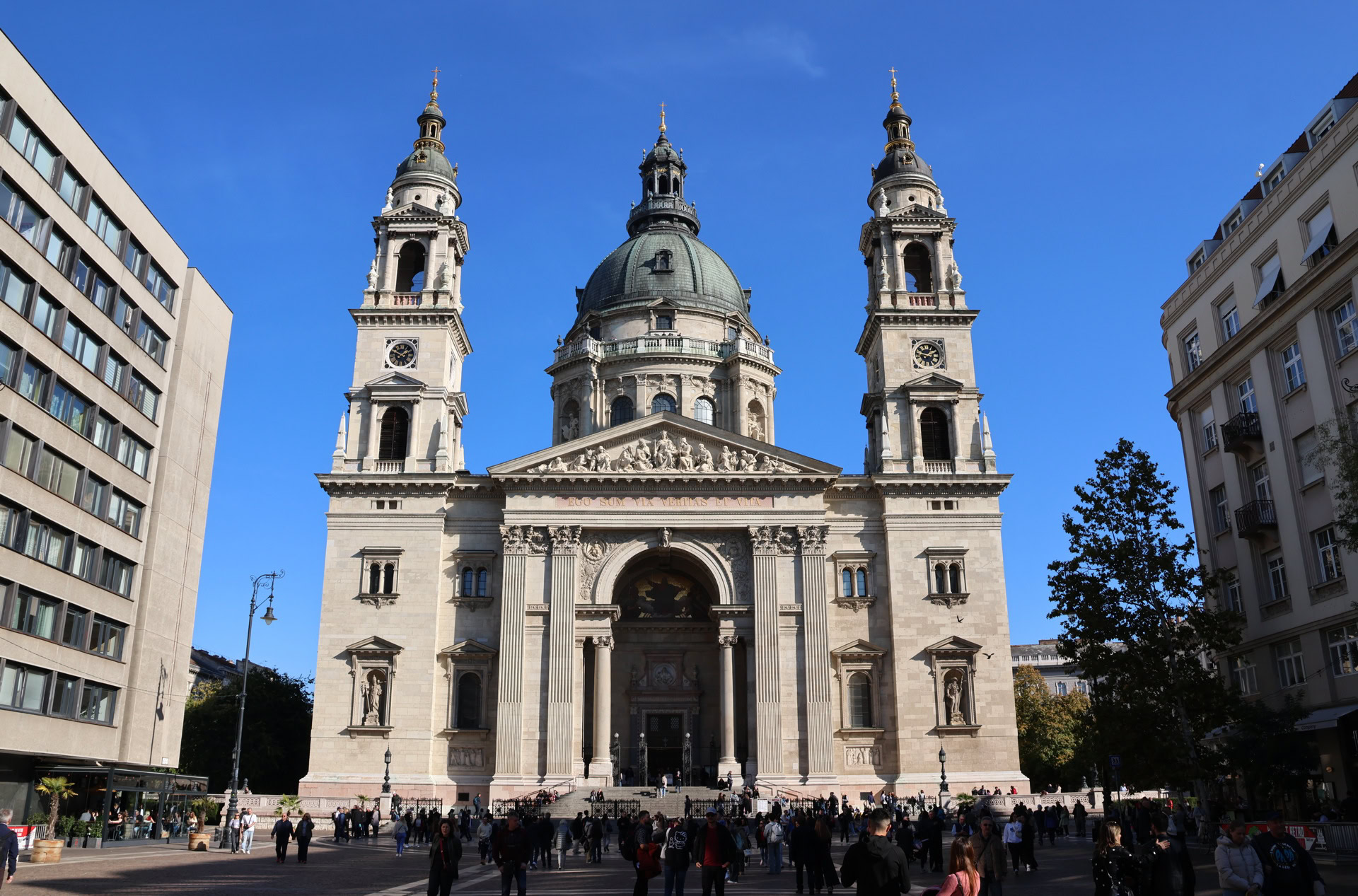
Having absorbed the atmosphere of Castle Hill, I returned to the Széchenyi Lánchíd Bridge by taking the stairs down from the Statue of Saint Stephen which led into Hunyadi János Street. Upon reaching the eastern bank of the river and walking around the parklands, I headed to Saint Stephen’s Basilica (Szent István Bazilika), the largest church building in Budapest.
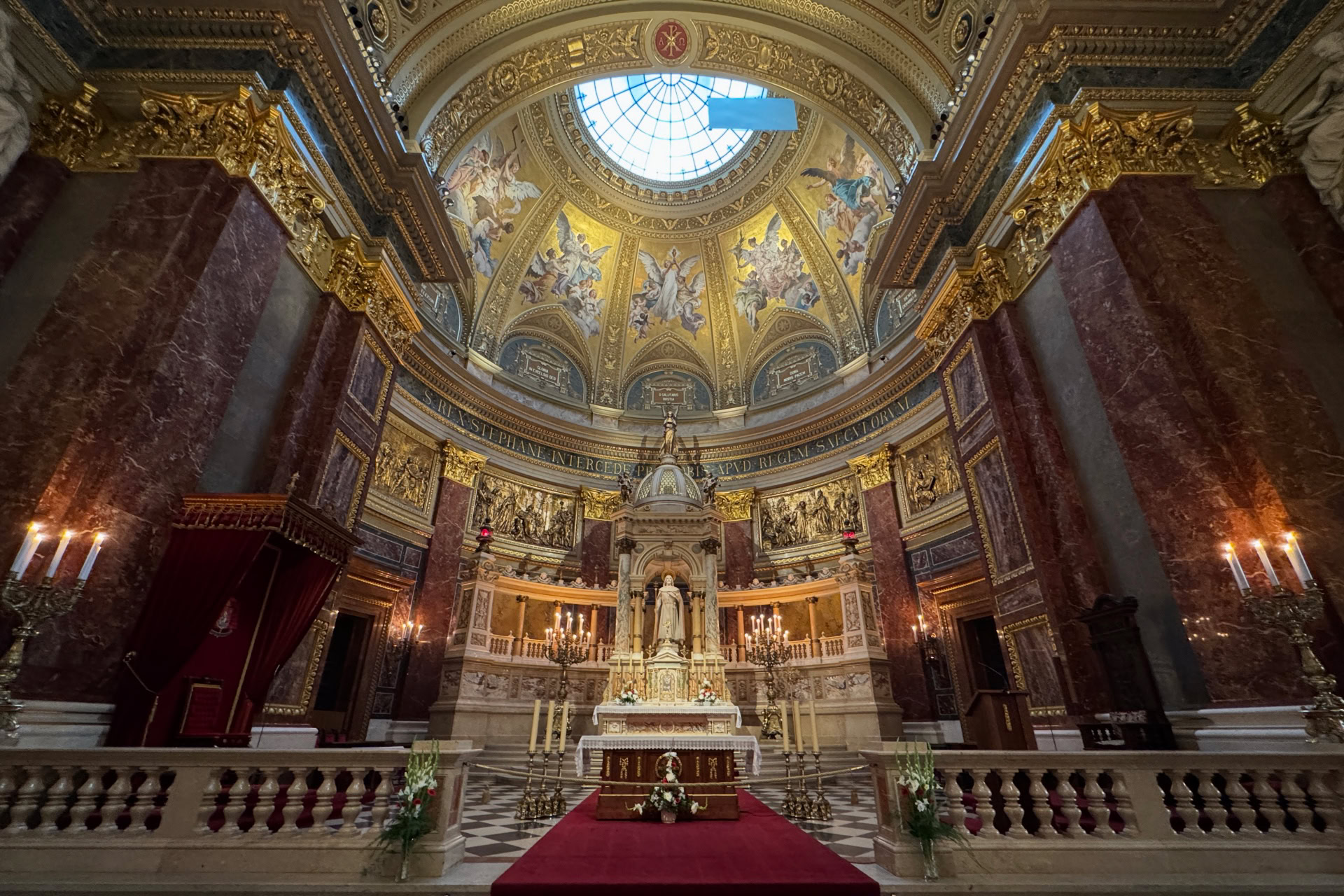
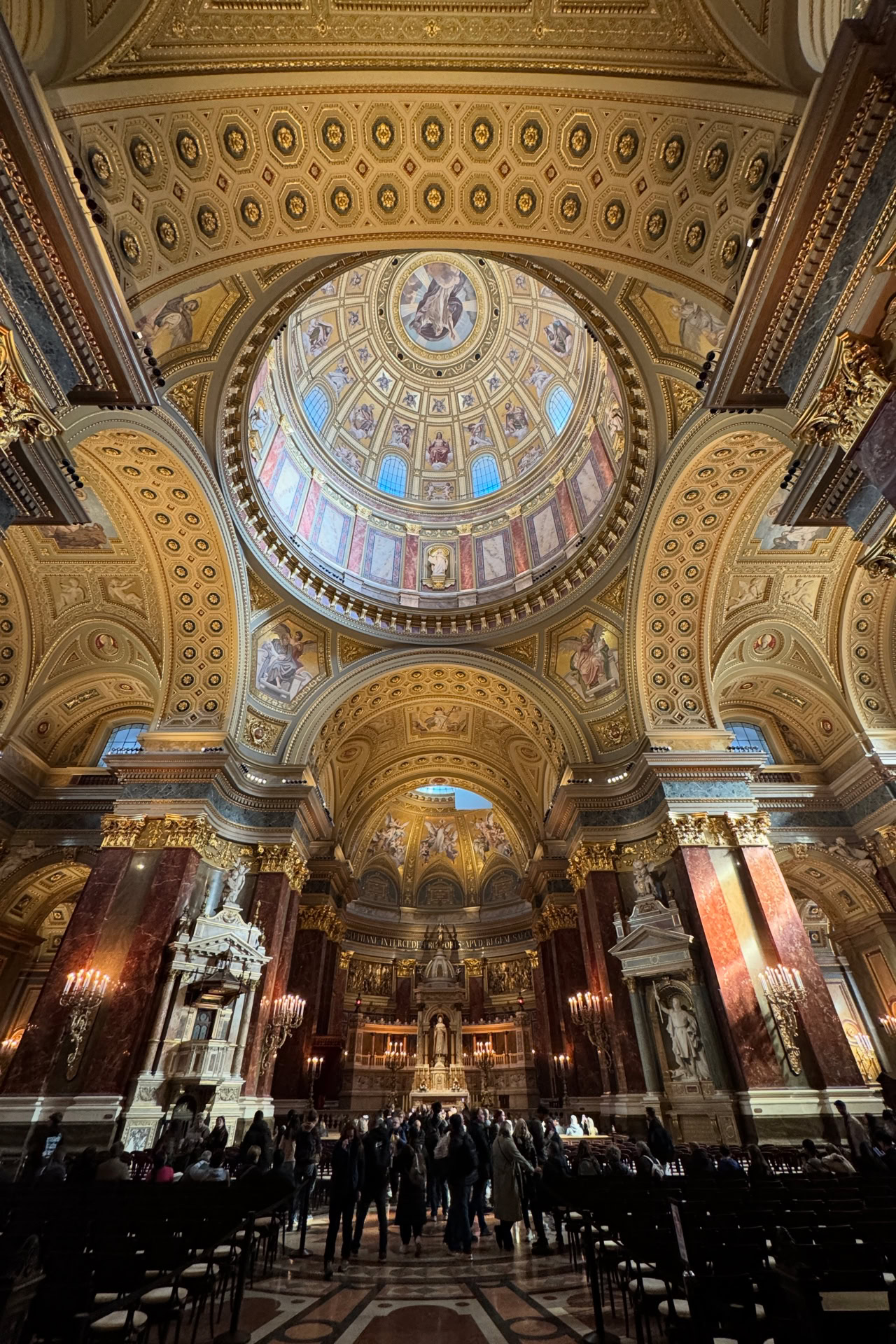
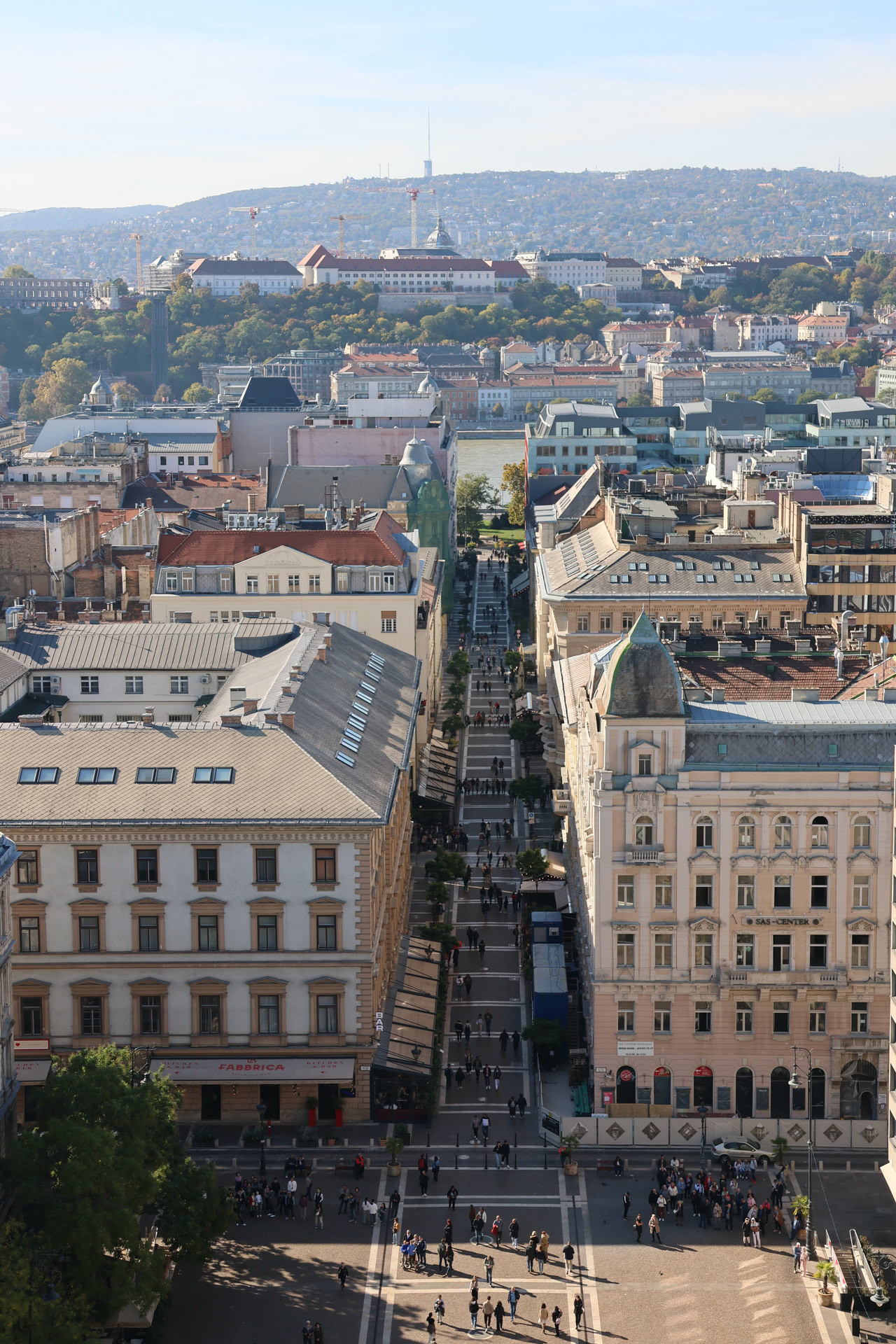
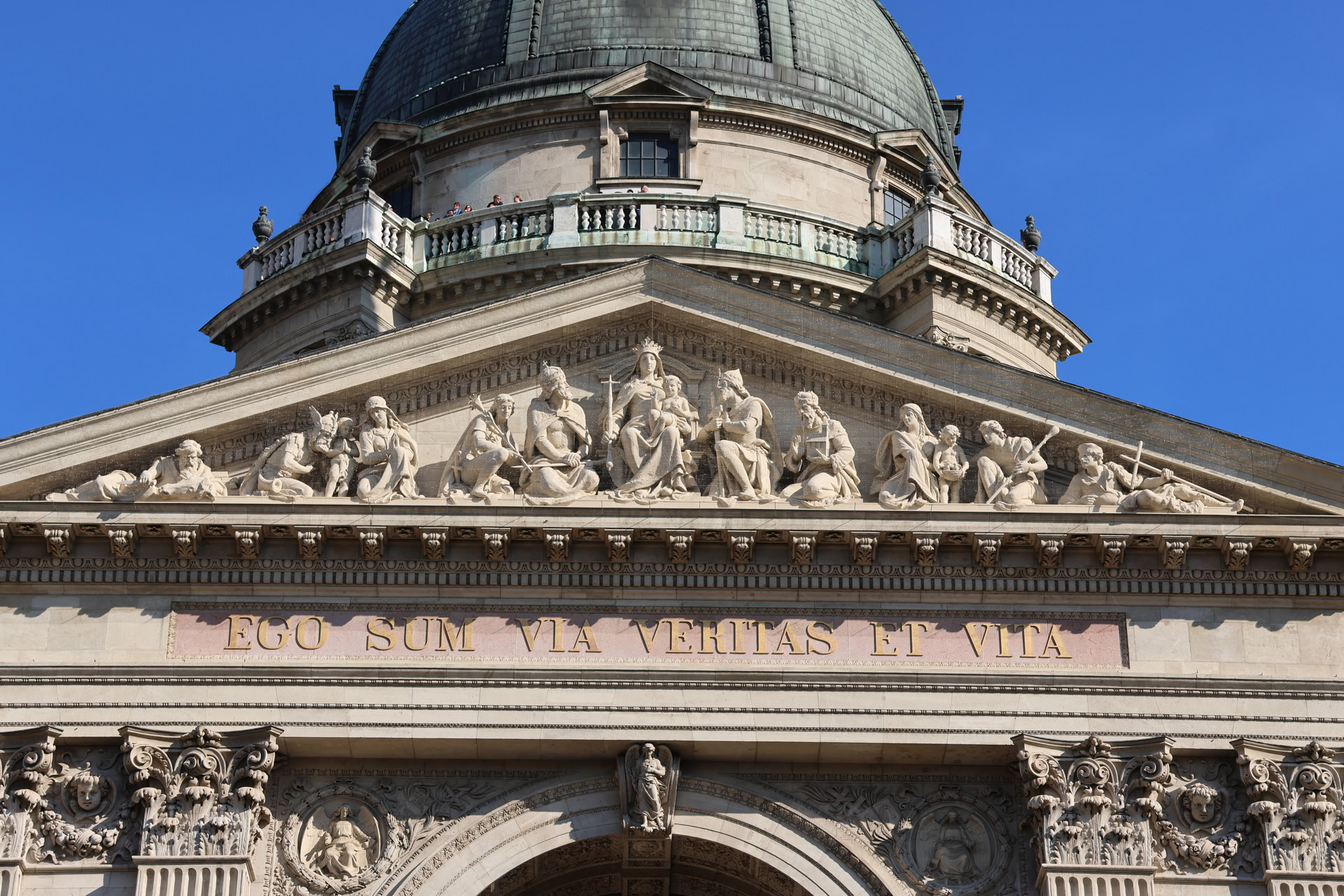
The exterior was … impressive. It was built from 1851 to 1906 to a height of 96 metres, deliberately the same height as the Parliament Building which I had seen earlier in the day to symbolise the equal importance of worldly and spiritual thinking. Impressive though the exterior was, the interior was mind-blowing, both in scale and décor. Built in a Greek cross ground plan, the interior could best be described as a sermon in art, grand in vision and superbly executed. As an extra bonus, it was possible to visit the dome for a wide view across the city skyline of Budapest. This was perhaps the only mildly disappointing facet of my visit to the Basilica, as many of Budapest’s roofs were clearly not designed to be seen from above. Budapest is a beautiful city at ground level, but less so when seen from above.
My walk so far had taken me precisely 10 kilometres. I was thrilled with the experience but decided it was time to head back to my hotel for a rest. The 2.6-kilometre walk back took me from the courtyard in front of the Basilica north along Sas Street, east along Arany János Street, north along Bajcsy-Zsilinszky Street, north-east along Podmaniczky Street, north-west along Teréz Circuit past Budapest-Nyugati Railway Station, and finally north-east along Váci Street to the hotel.