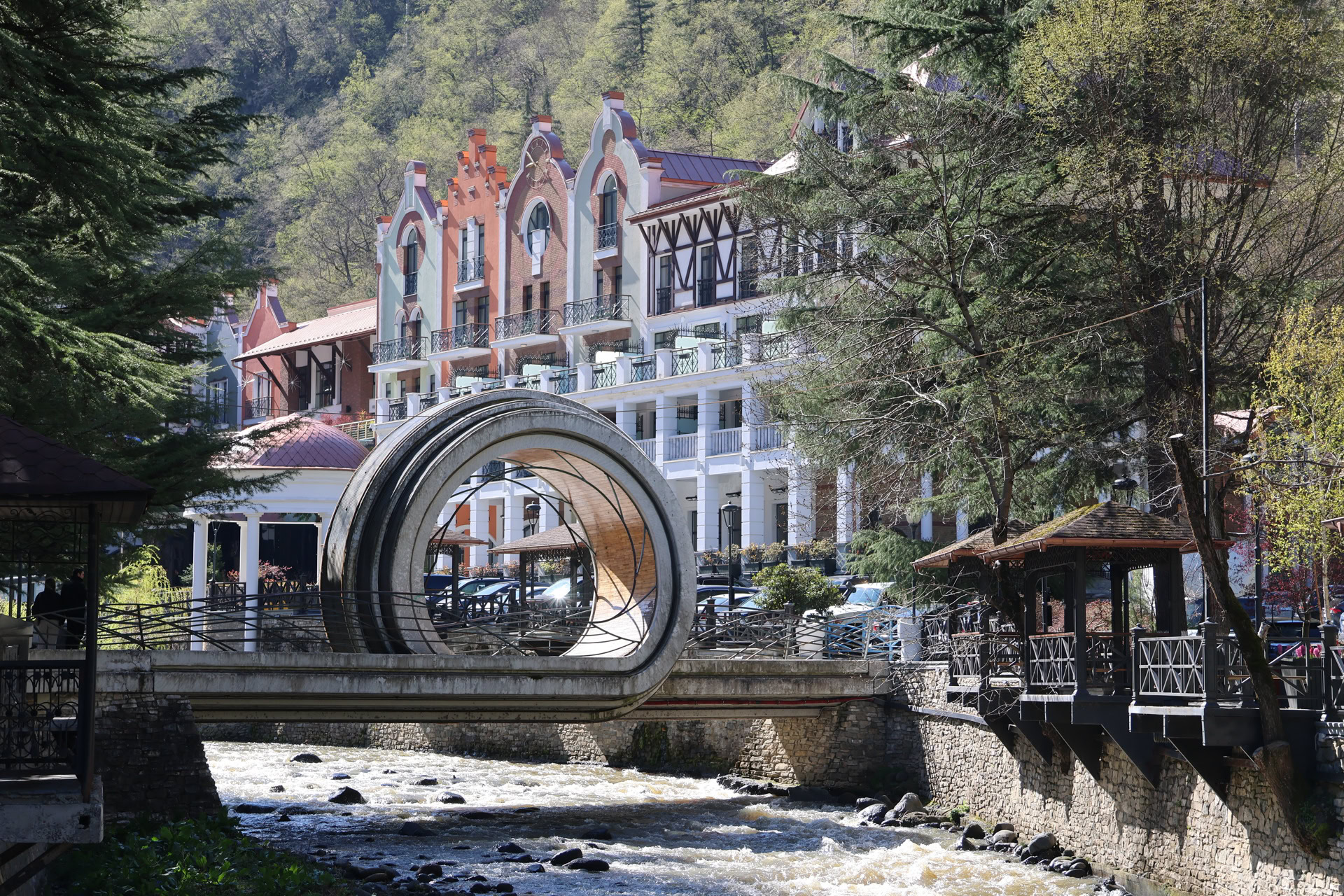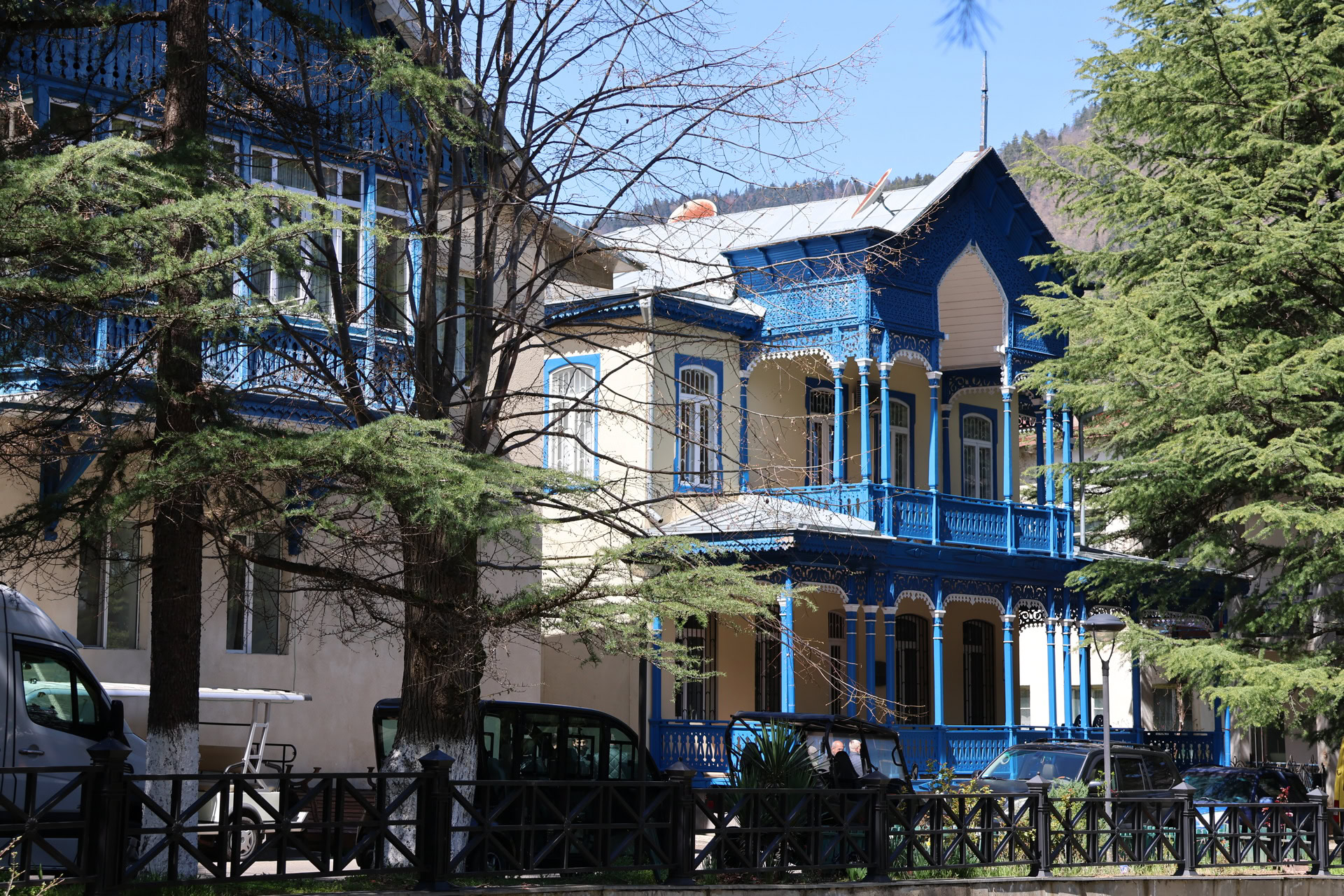
We woke to a beautifully fine day with crisp, cold temperatures. We had not seen our surroundings when we arrived after dark the previous night, so it was truly refreshing to find ourselves surrounded by wooded hills and steep sided mountains. Borjomi is famous for the phytoncides that are produced by its coniferous pine, spruce and fir trees. Phytoncides are natural volatile organic compounds which are emitted by plants and trees as a defence mechanism against insects and bacteria, but they are also said to provide significant health benefits when inhaled by humans, including reducing stress and boosting the immune system. Apparently inhaling these compounds, which are often described as part of the “pine smell”, can lower blood pressure, reduce cortisol (stress hormone) levels, and increase the activity of natural killer (NK) cells that fight infections and tumours. I hope my 15 hours in Borjomi was enough to have at least some such positive impacts.
We left the hotel after breakfast at 9:30am and headed downhill into the town of Borjomi which we had driven through the previous night. Our destination was Borjomi Central Park, an expansive green area in central Borjomi which also serves as the source of a famous Georgian mineral water. Although the bottling factory was closed down, presumably for renovations, there was a pavilion where a constantly running spring was flowing with freely available mineral water.
A highlight of the visit was a return trip (1.6 kilometres each way) from the park to the summit of a nearby hill in a 1962 Soviet-era cable car. It looked old (because it was!), but it seemed well maintained, apparently having been renovated in 2005. The views during the ride and from the top of the hill after the 125-metre climb were breathtaking, and fortunately we had lovely clear conditions to make the most of the experience.
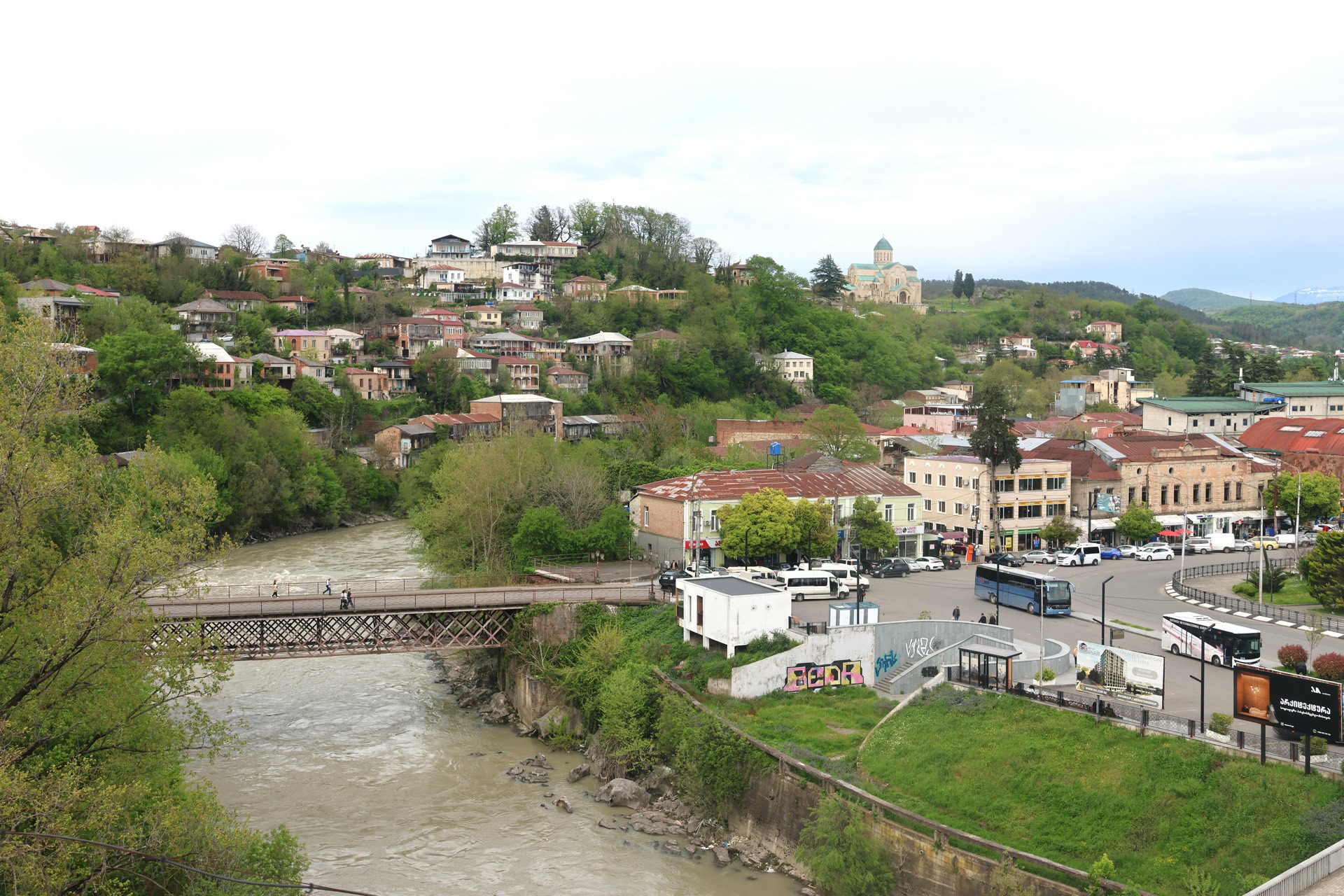
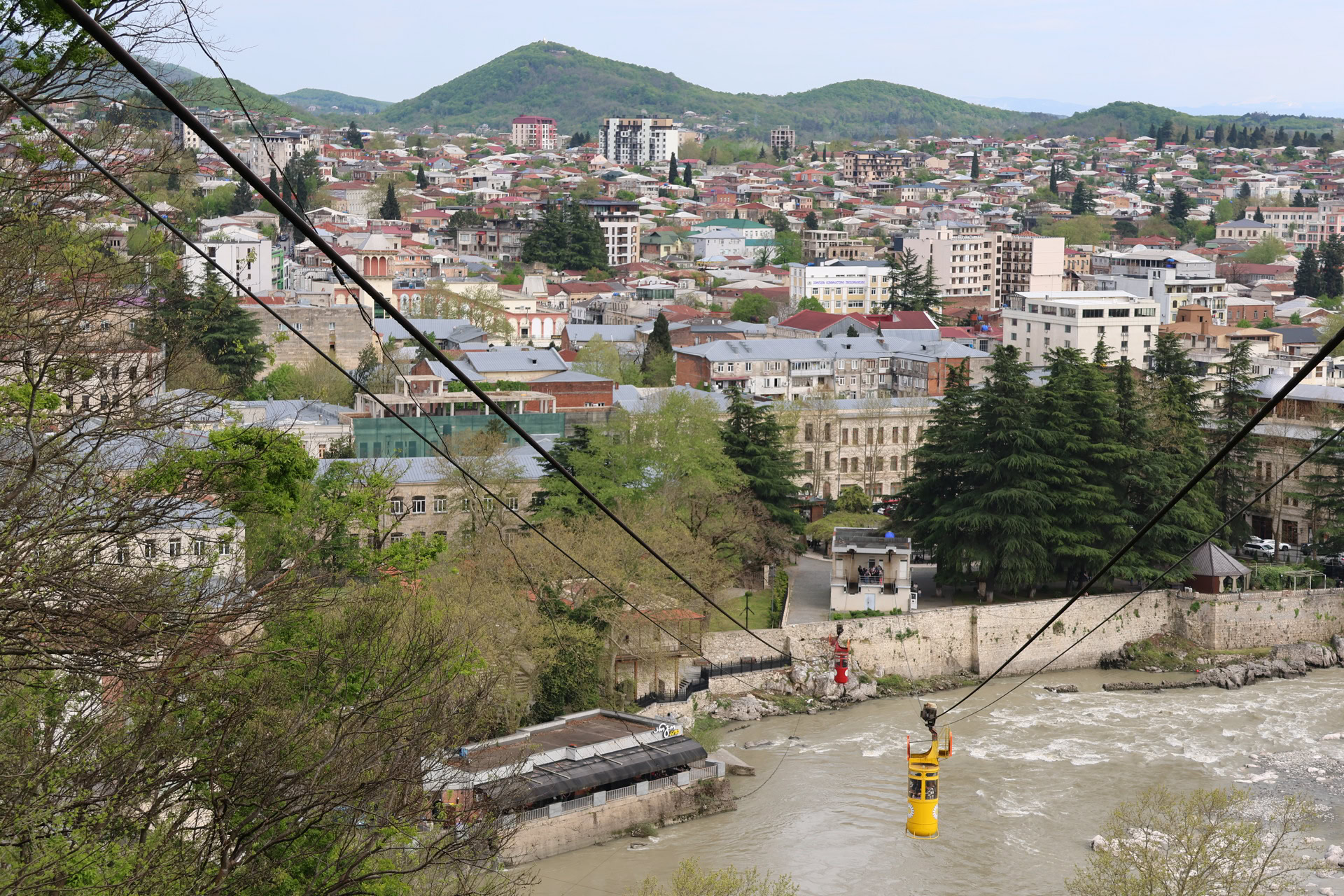
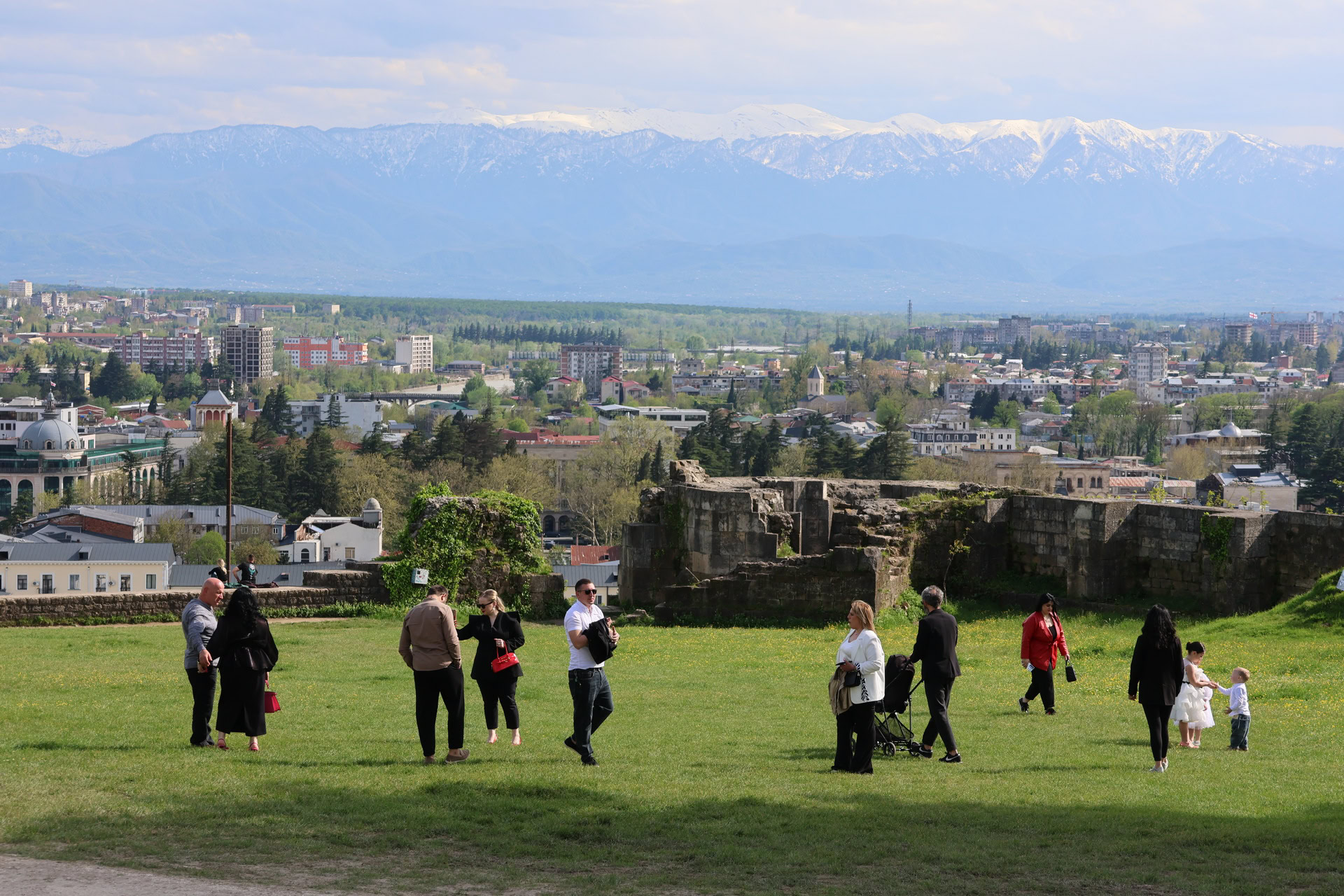
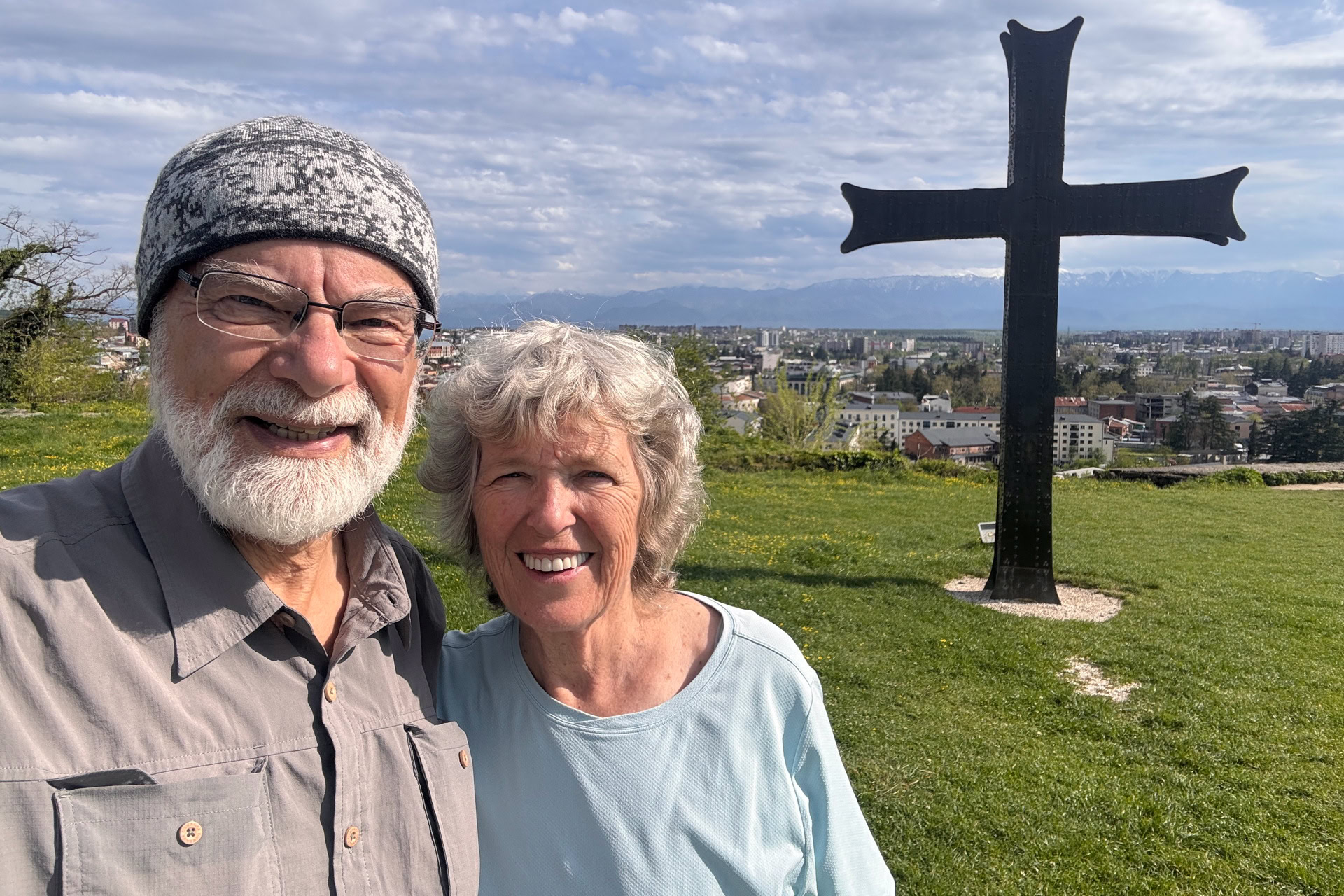
Having finished in Borjomi, we drove for about an hour and a half west to the town of Kutaisi, another area famous for its scenic mountainside and rural views. Our first stop in Kutaisi was for lunch at the Bar-Restaurant Papavero, after which we walked through the town and took another Soviet-era cable car (much smaller) across the river so we could walk along the ridge top to the town’s most significant landmark, the Bagrati Cathedral.
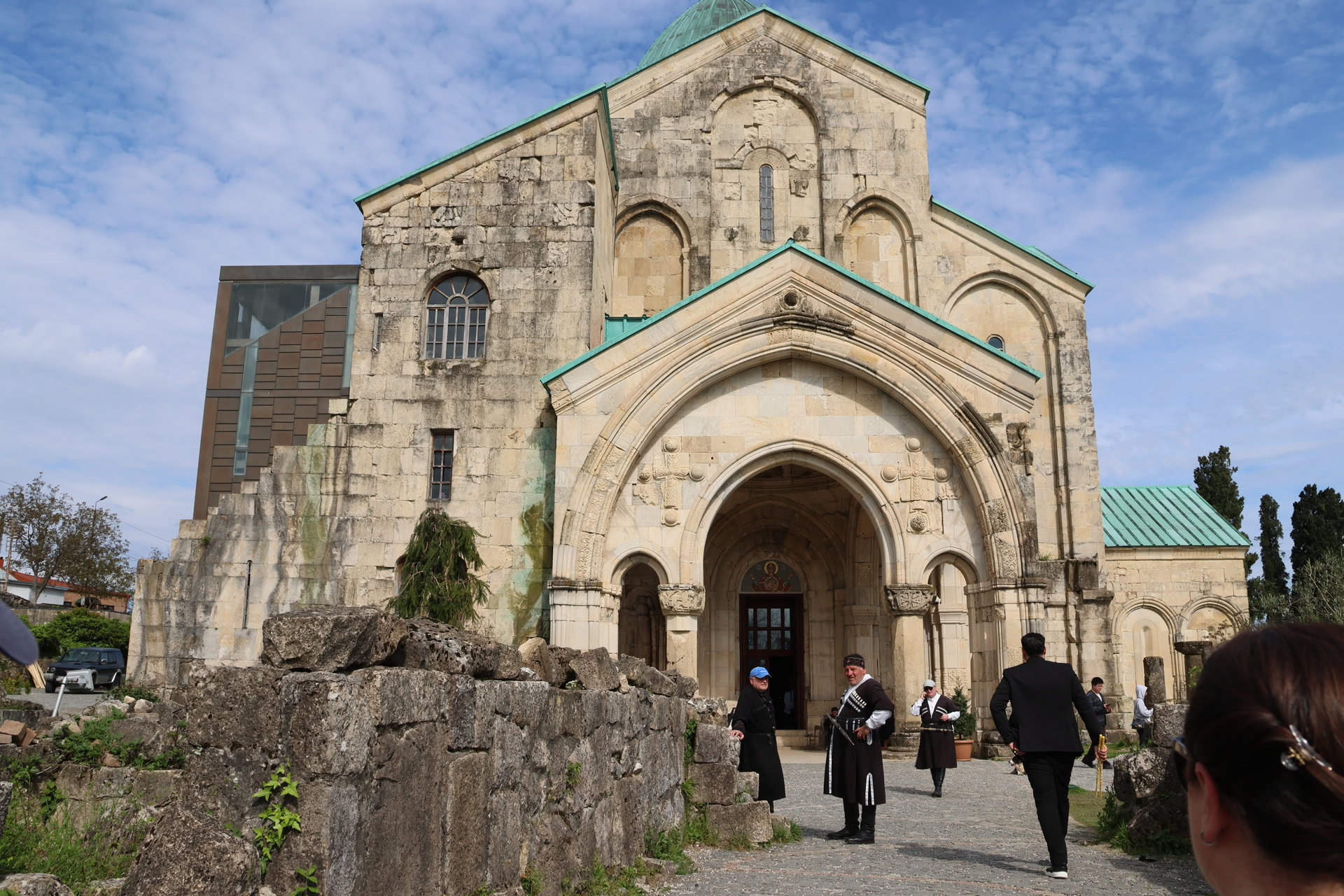
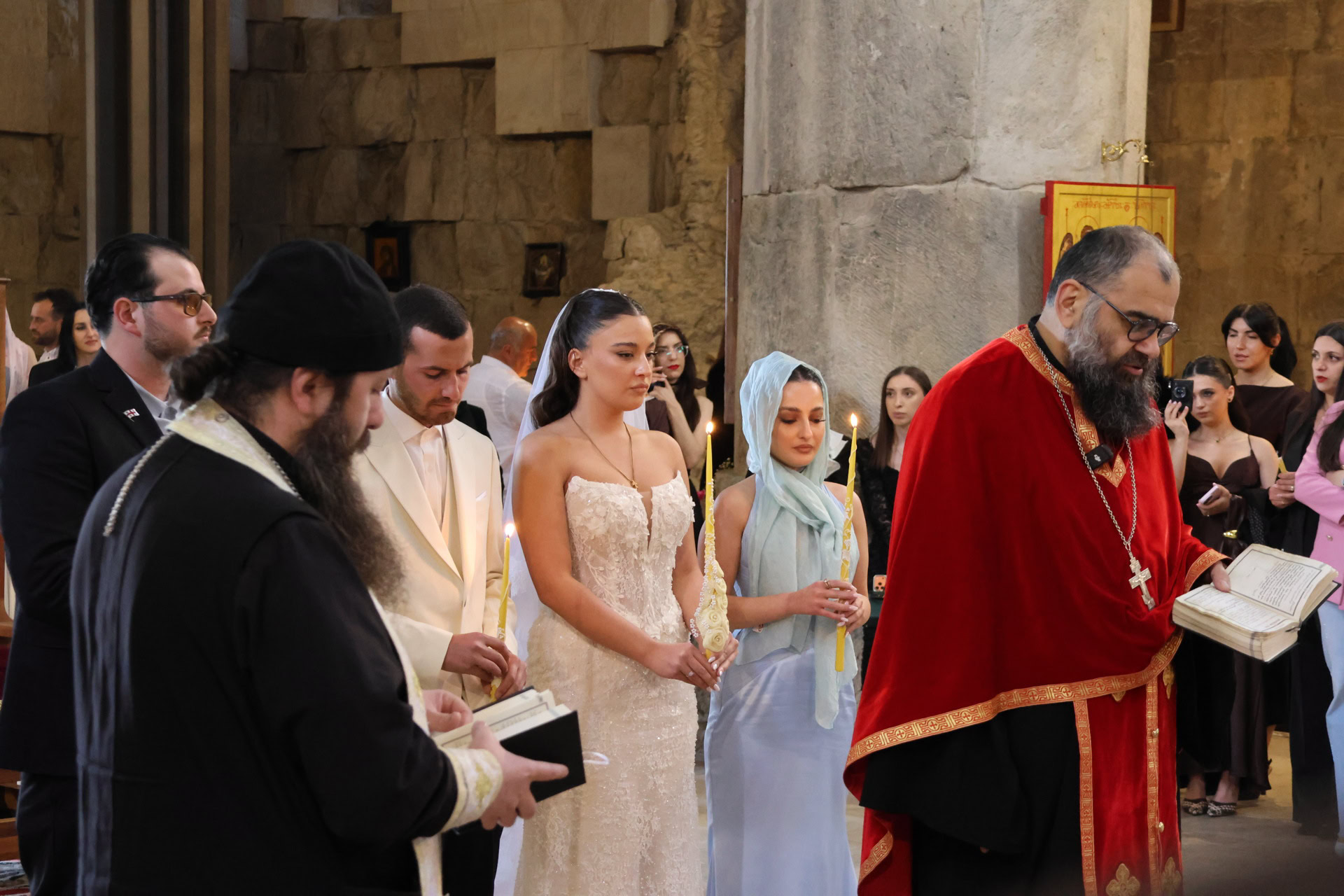
The Bagrati Cathedral is a beautiful 11th century structure, on a hill overlooking the city, with many fascinating historical artefacts inside. While we were there a wedding ceremony began, and it was a fascinating insight into a Georgian Orthodox marriage service, with all the men standing on one side of the church and women on the other.
We walked down the hill from the cathedral back into the town, crossing the river over a small bridge to find our bus, and began our final long drive for the day – a two-hour trip to the coastal city of Batumi. This trip covered the transition from Georgia’s hilly inland landscapes to the flatter, greener coastal plain fronting the Black Sea. As we drove into the city we stopped for dinner at a restaurant known as “Gold Fish” with lovely sunset views westwards across the Black Sea.
It was after dark when we finally arrived to check in to our hotel, the Hotel Boutique 32 in central Batumi. Although located superbly near the waterfront, the hotel itself was stuck away up some narrow stairs in an old building. Consequently, the rooms were tiny, and the views from our room looked across a run-down courtyard surrounded by the backs of old buildings with corrugated iron walls strewn with clothes lines – not the best introduction to Georgia’s famously upbeat port and resort city on the Black Sea.