I didn’t come to the Caucasus to sleep, which is just as well because today was another 5:30am wake up. After very good breakfast, we set out at 9:30am on our second successive lovely, clear, sunny day to explore “Old Baku”.
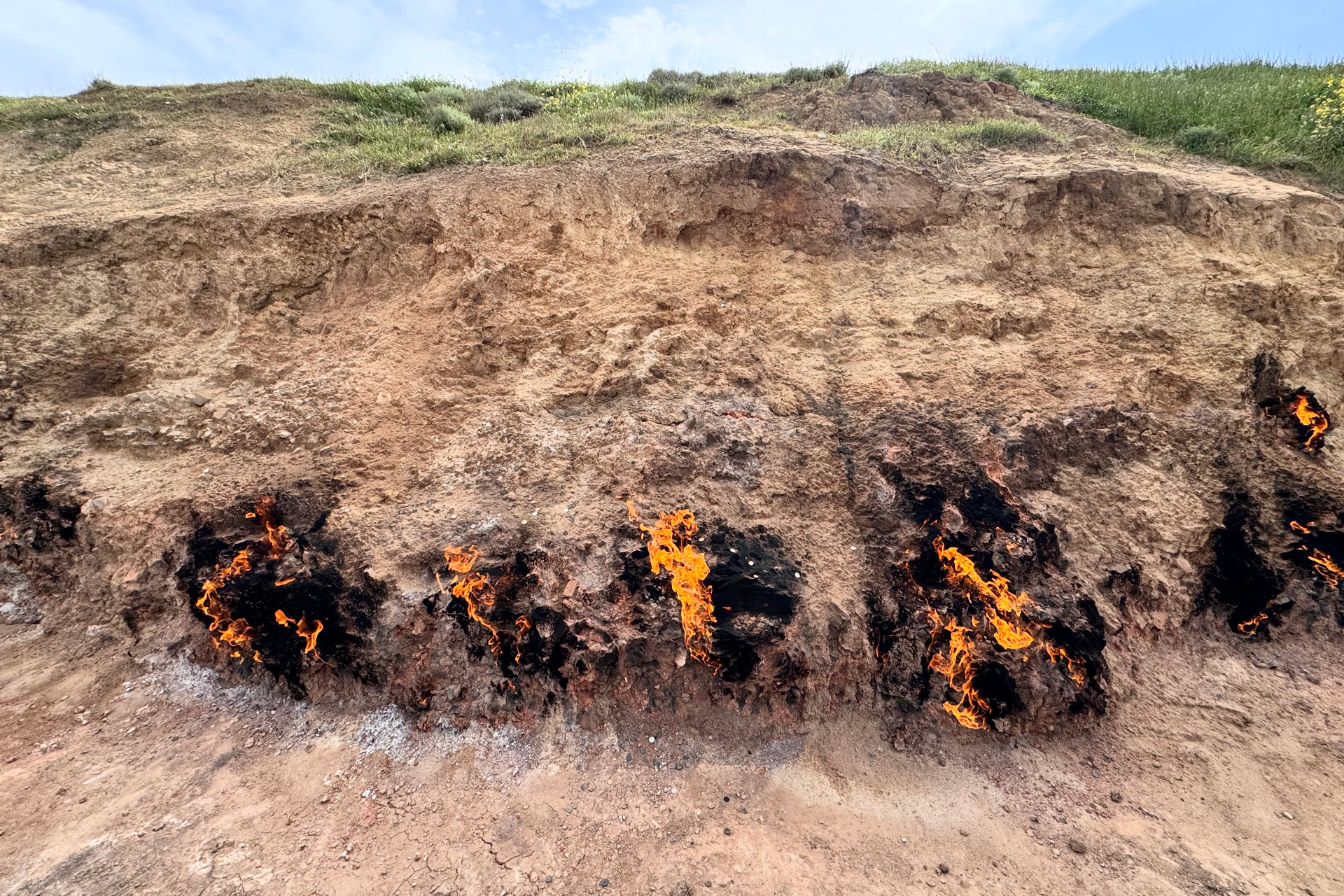
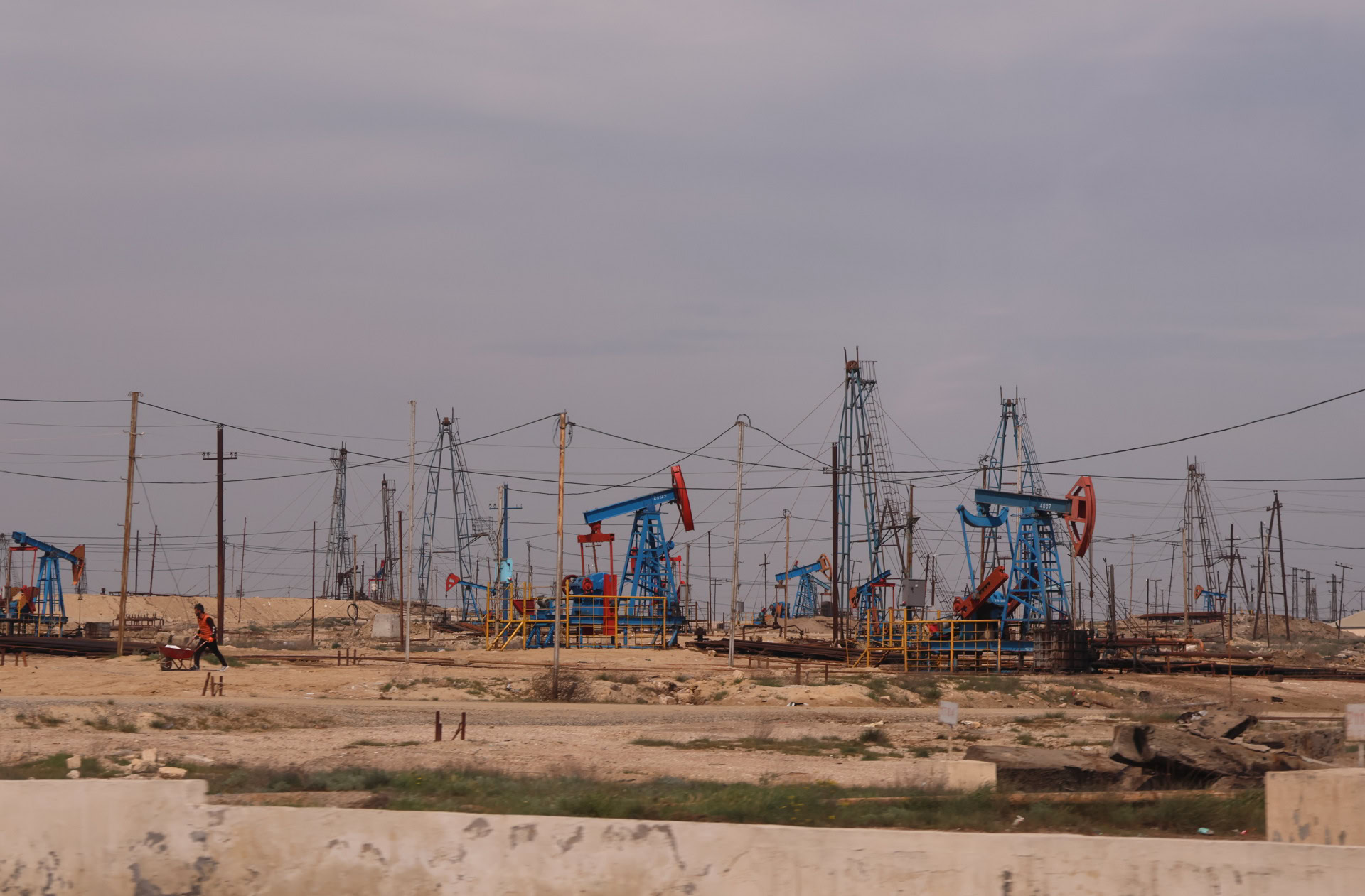
Our first stop was reached outside Baku city itself after driving through some vast oil fields to the Yanardag Fire Mountain. The natural flames at the foot of hill, which are fuelled by natural gas escaping from beneath the surface, have been burning for some 4,000 years, probably the result of an ancient lightning strike. They keep burning even under rain and snow, and they made quite a sight as well as generating intense heat when near them. Understandably, the fire mountain was seen as sacred by Zoroastrians, followers of the ancient fire-worshipping religion that began in nearby Iran and which dominated the area in ancient times.
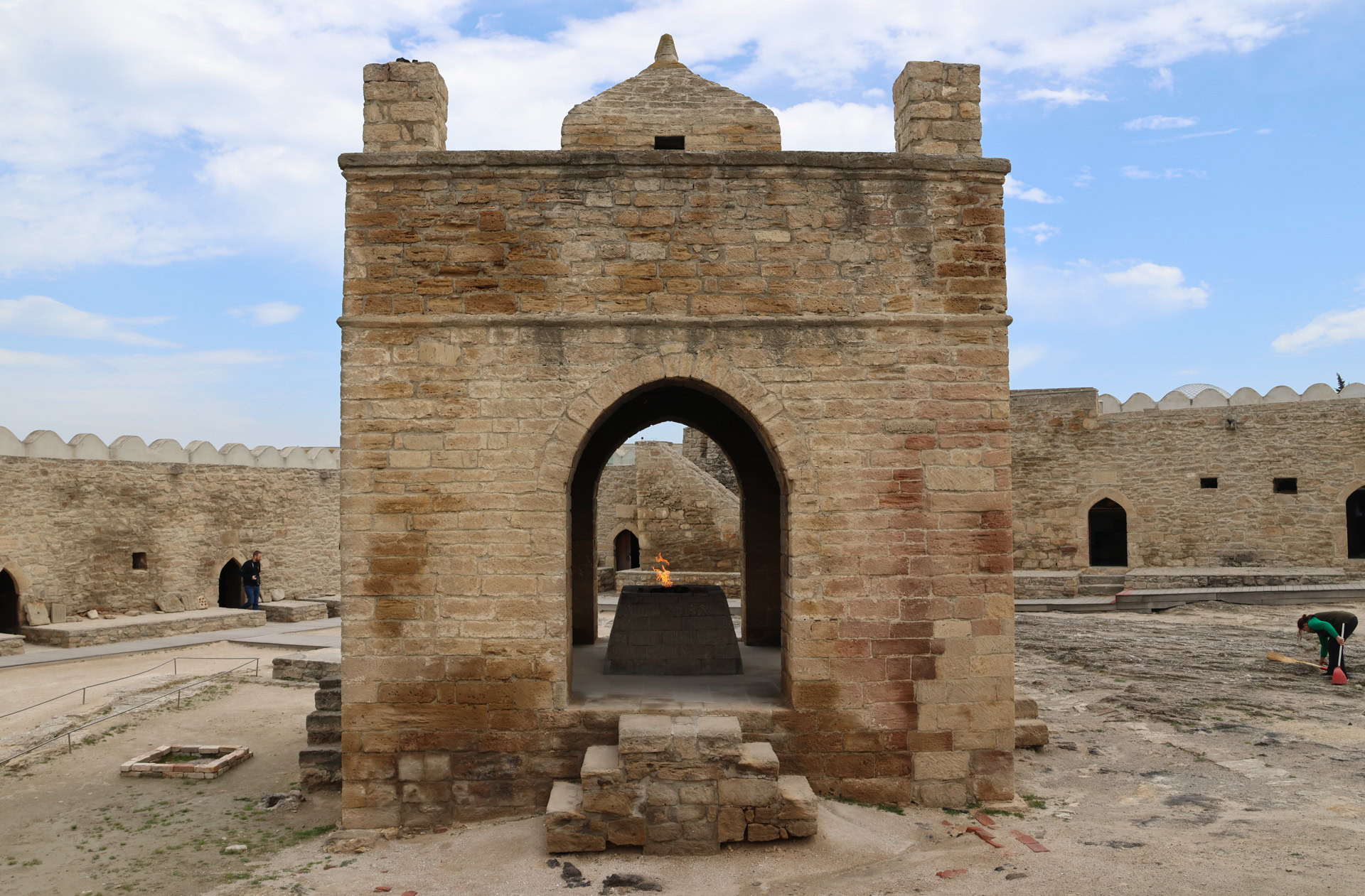
Our second stop for the day was also associated with the region’s Zoroastrian history, being the not-too-distant Ateshgah Zoroastrian Fire Temple. Like Yanardag, the fire temple was built on an area which oozes subterranean natural gas, although today it survives as a museum whose fires are fuelled by piped gas. Originally built as a Zoroastrian temple, it became syncretic over the centuries as various Hindu and Sikh sects from India took control of the temple and modified it accordingly.
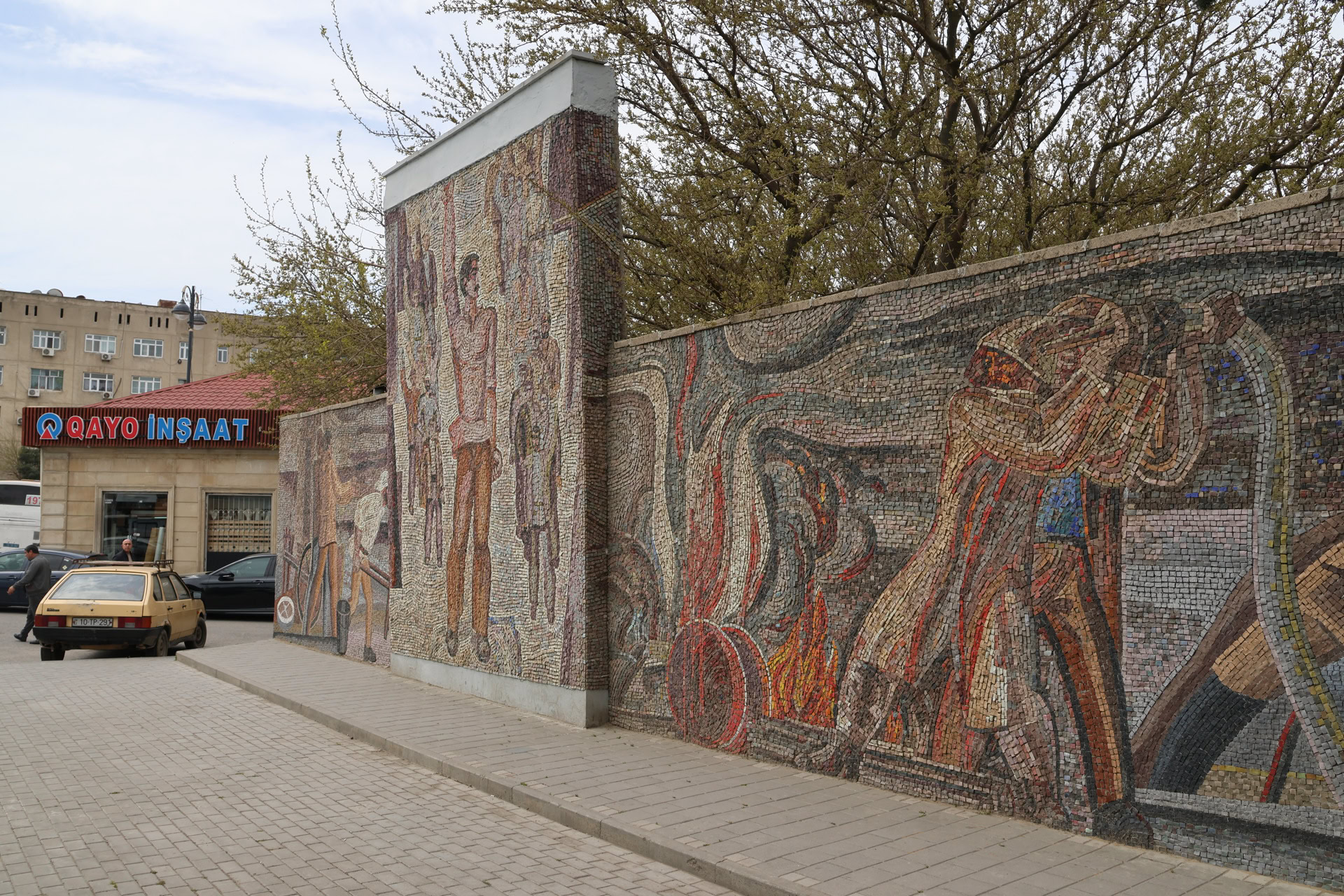
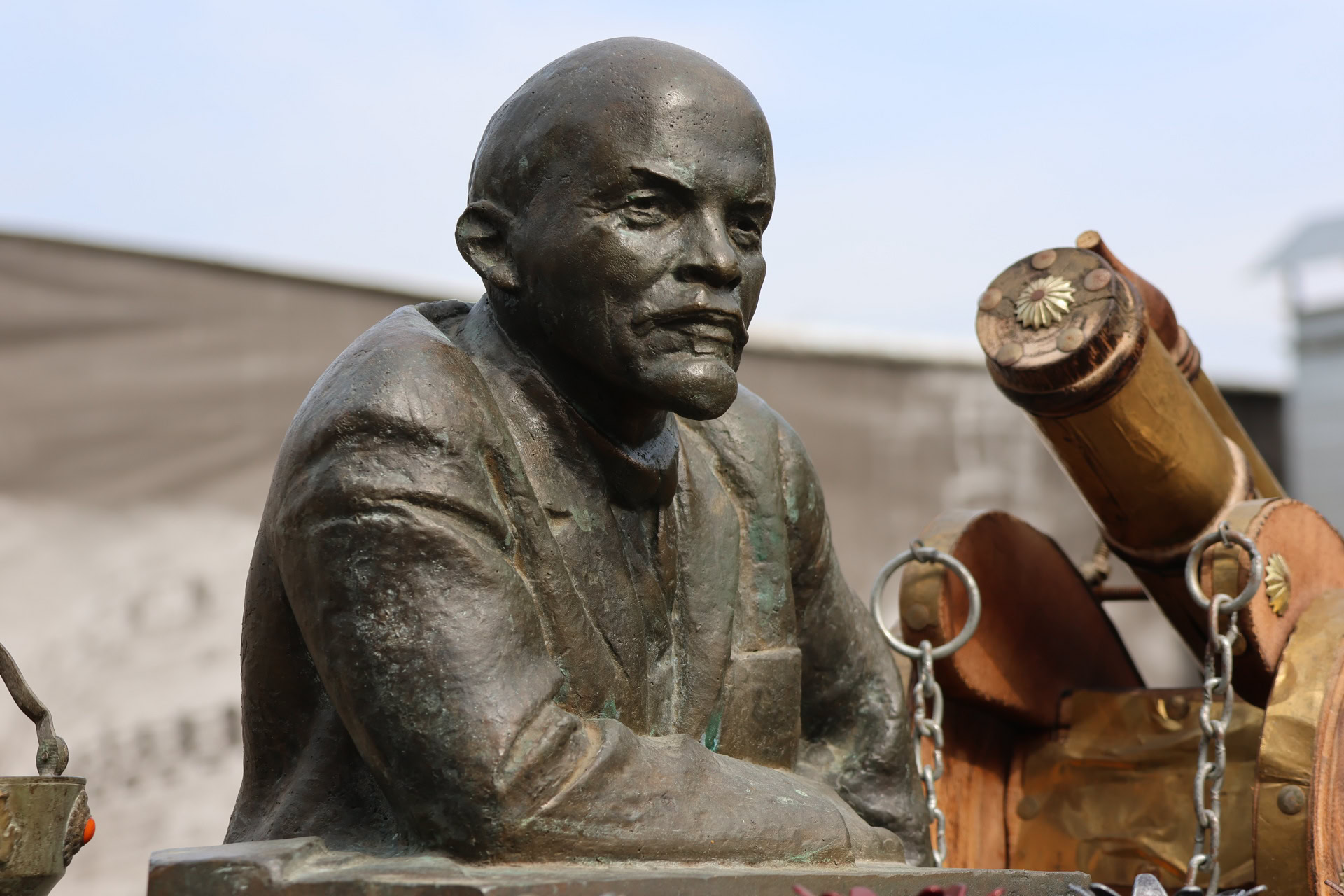
On our way back to Baku city we stopped briefly at a lovely Soviet-era mosaic in the nearby village of Sahidlar Abidasi. This large, well-preserved mosaic was a wonderful example of socialist realism, featuring idealised workers, scientific achievements and the friendship of the masses, all in the context of fire and furnaces that tied together the area’s natural gas with industrial furnaces. While we were there, we struck up a great conversation with a group of curious local men – one of those genuinely unscripted, spontaneous and precious interactions that personal travel so rewarding.
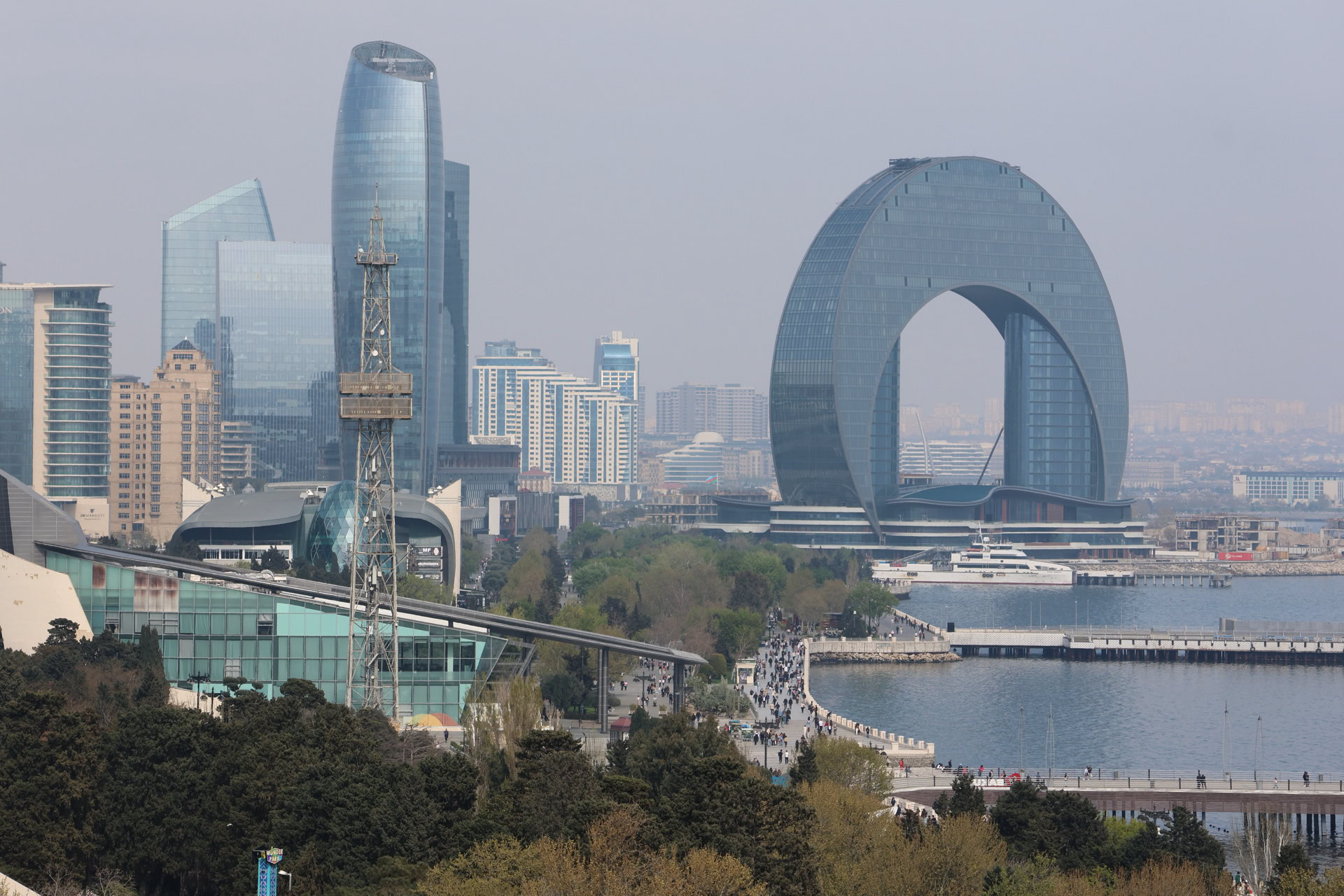
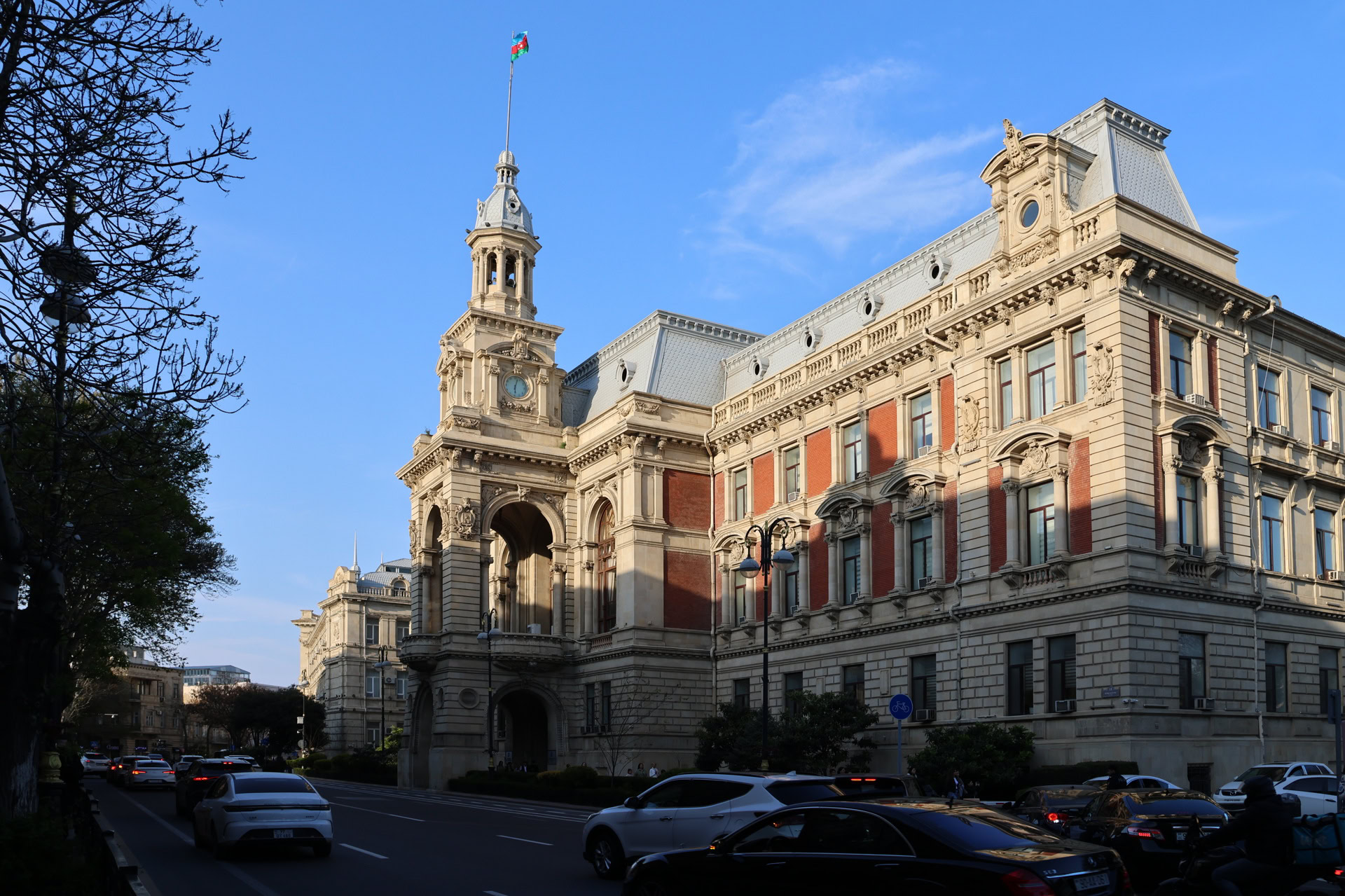
We drove back into the centre of Baku city to continue the afternoon’s theme of “Old Baku”. We were given one hour of free time, during which Di and I walked through some of the pedestrian plazas near Fountains Square and took the time to have a coffee and ice cream at the Café City Fountain.
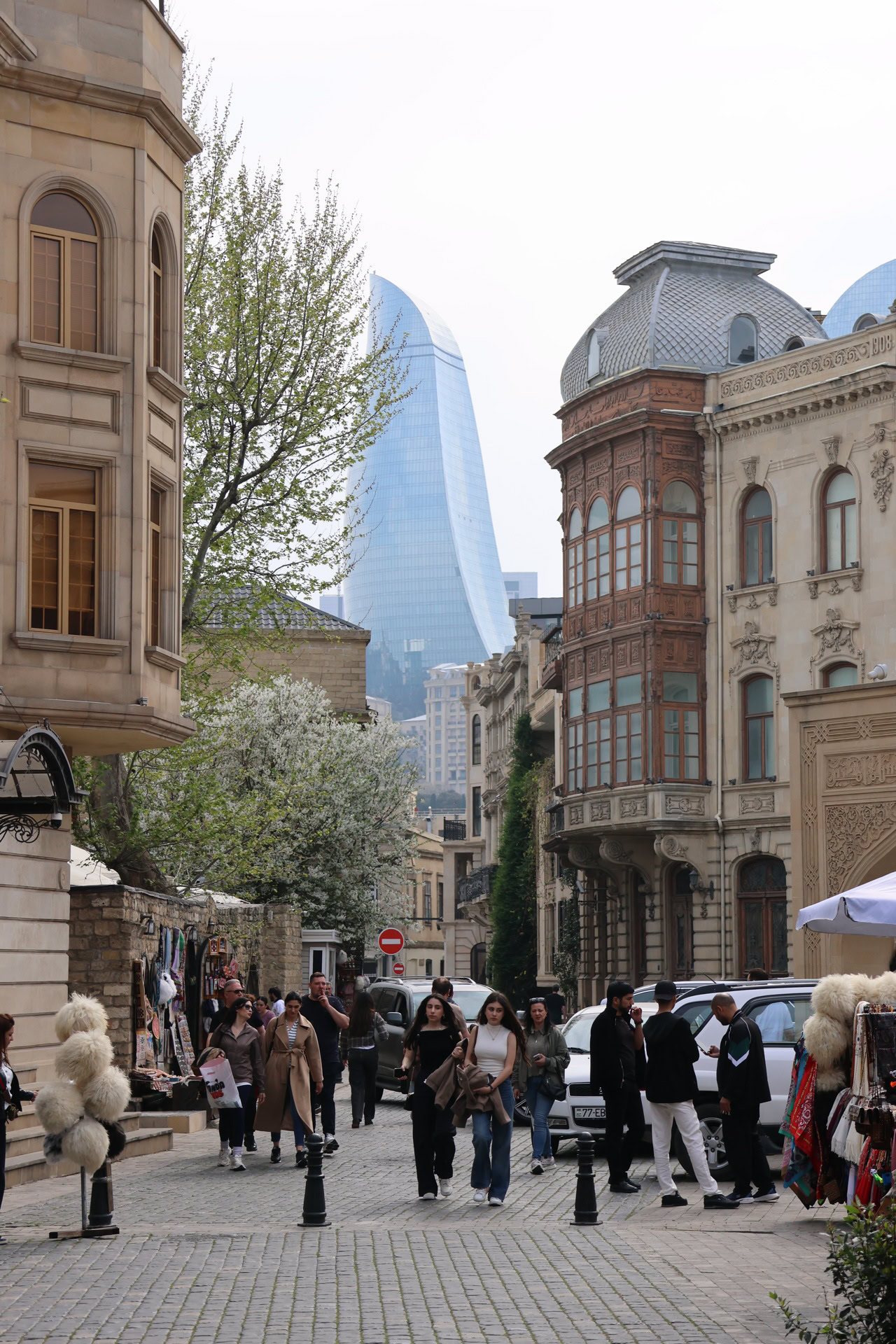
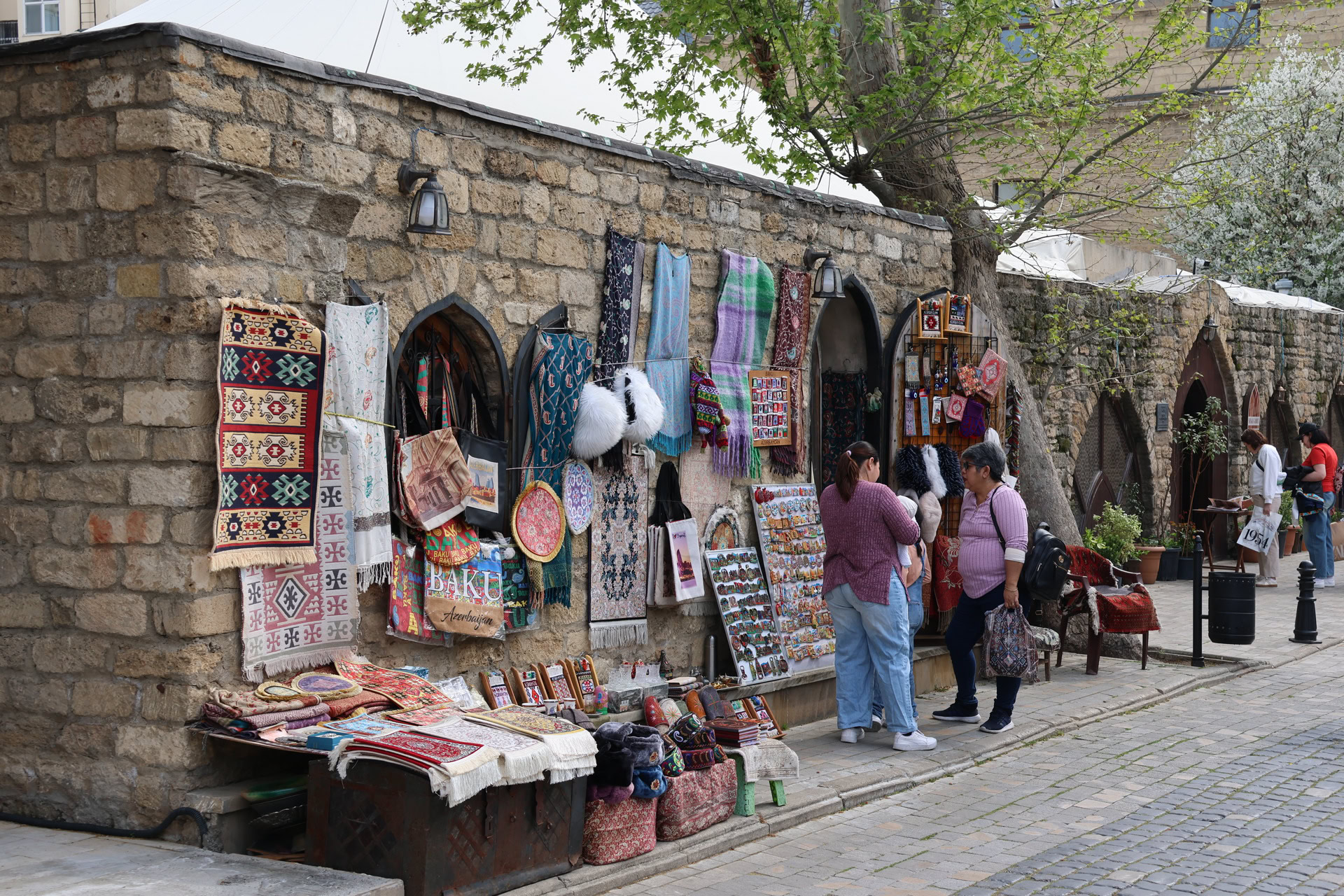
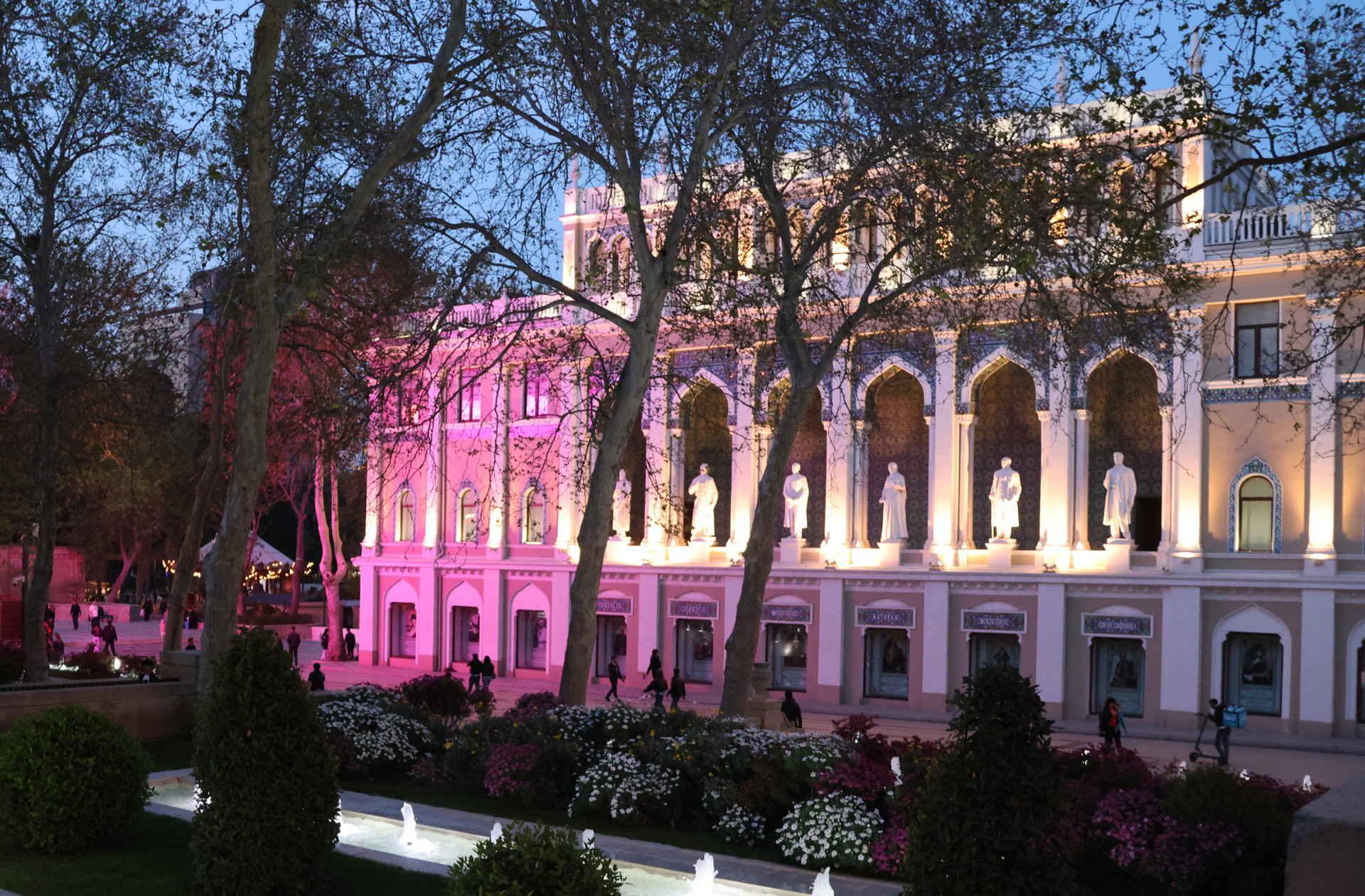
Meeting the rest of the group outside the exquisite Nizami Museum of Azerbaijani Literature, we walked through the gates of the wall surrounding the old medieval section of the city, along the cobble-stoned laneways to the imposing Maiden Tower, one of Baku’s most distinctive landmarks. Dating back to the 12th century and standing at 28 metres in height, we climbed to the top for some great views across the city (through protective Perspex screens!). Interestingly, when we reached the top of the tower, we found ourselves at sea-level.
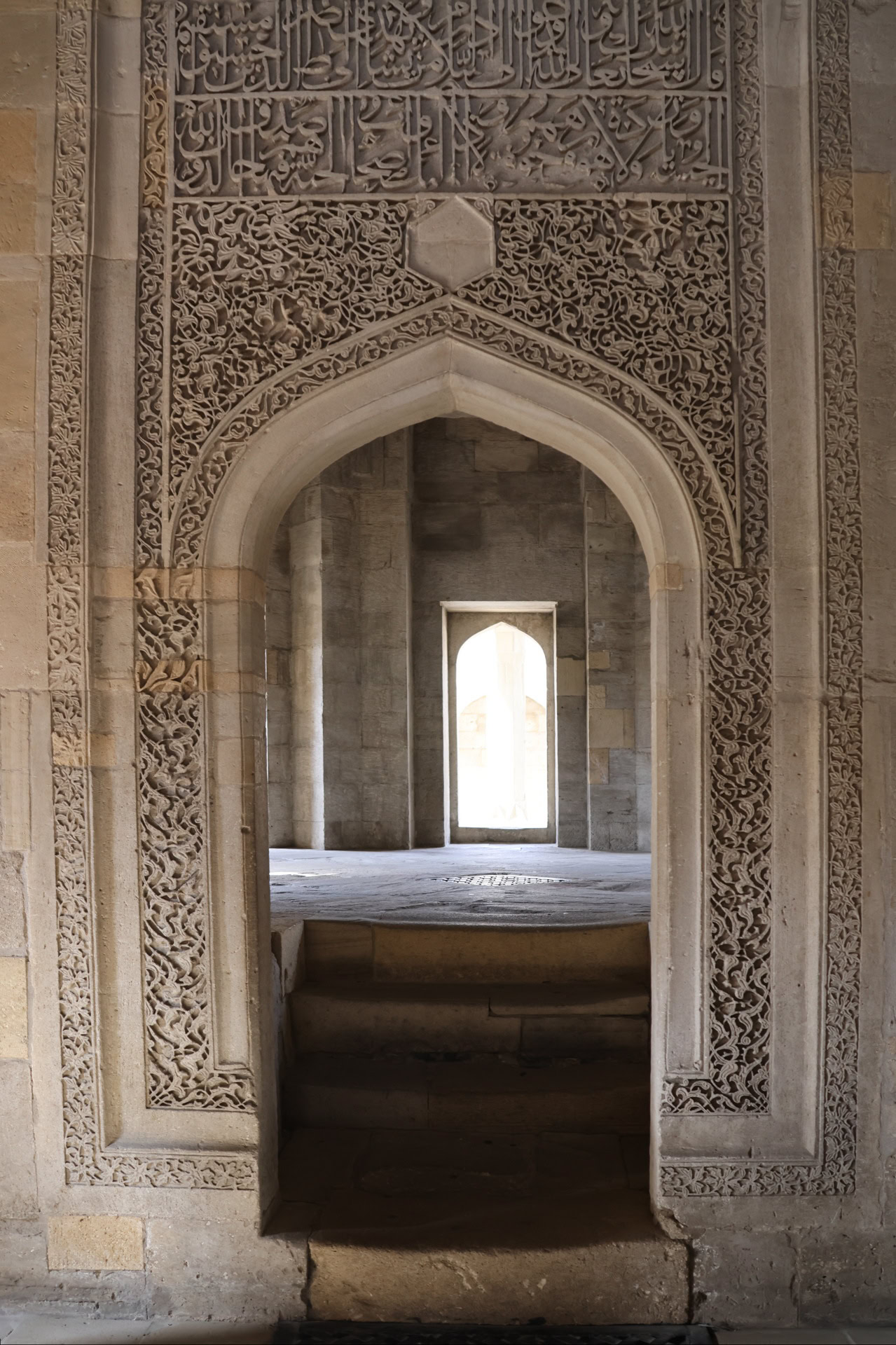
Descending from the Maiden Tower, we continued our way uphill along the old city’s narrow, picturesque laneways to the 15th century Palace of the Shirvanshahs. Regarded by many (but not me!) as the Pearl of Azerbaijan’s architecture, we explored the complex to see the residence, the burial-vaults, the Shah’s mosque with a minaret and the Seyid Yahya Bakuvi Mausoleum (the so-called “mausoleum of the dervish”).
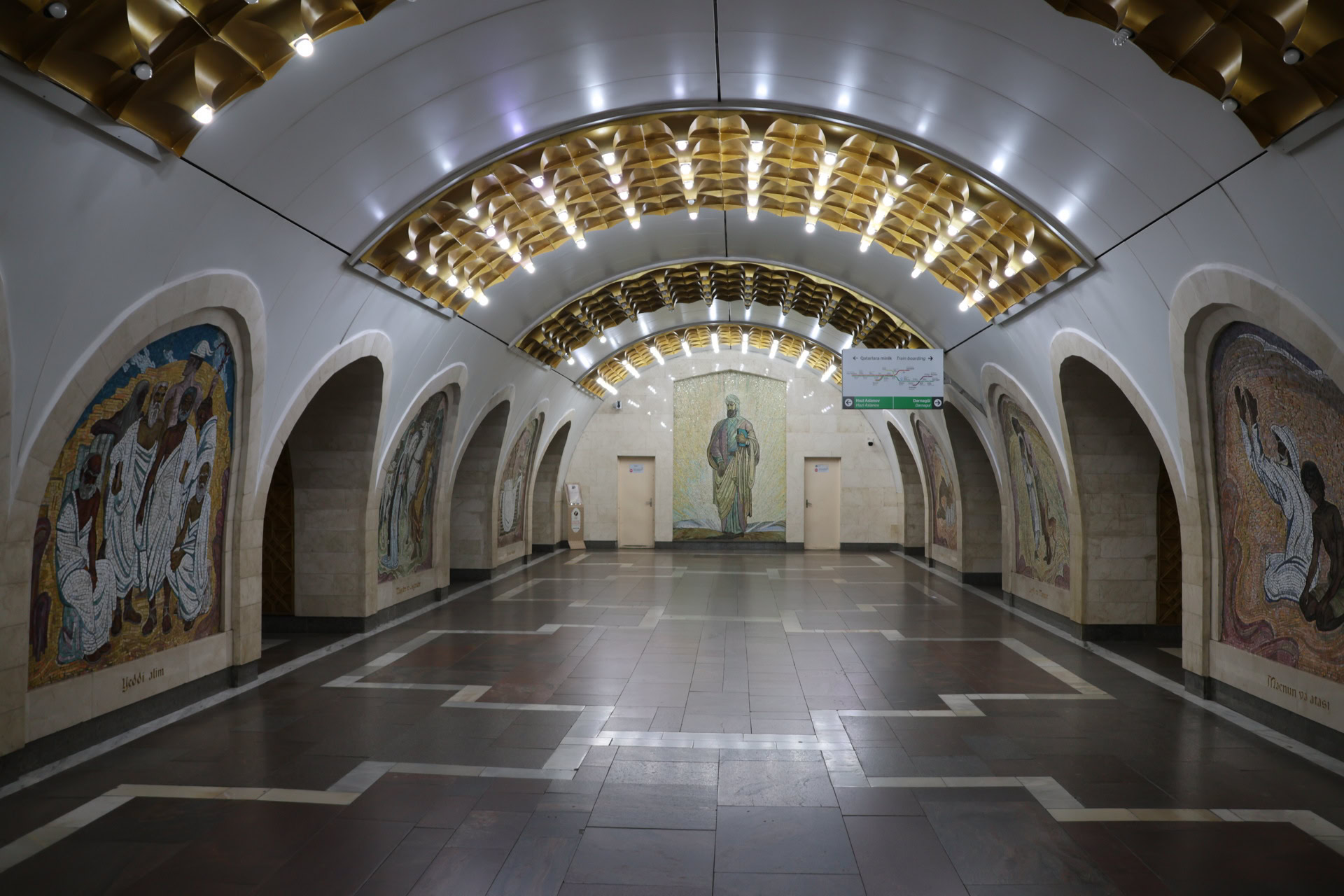
Leaving the old city, we walked to the nearby Icherisheherto Metro Station and took the Metro three stops via 28 May Station to Nizami to see the mosaics (photographs officially not permitted), then back through the same three stops to Icherisheherto before walking back into the old town for an excellent dinner at Restaurant Old Garden.
The day ended with our drive back to the Ibis hotel, returning at 7:40pm.